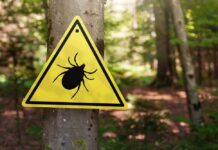
One Arizona resident has died from pneumonic plague in Coconino County, a chilling reminder that even in 2025, threats from the past can resurface while government agencies scramble to reassure citizens everything is under control.
At a Glance
- Pneumonic plague killed a Coconino County resident—the first U.S. death from this disease since 2007
- Health officials confirmed the diagnosis in July 2025 and have not identified additional cases.
- The Black Death’s modern cousin lingers in Arizona’s rodent populations, making vigilance critical.
- Officials tout antibiotics as effective, but only if the disease is caught in time.
A Medieval Plague Reappears in Modern Arizona
July 2025, Coconino County—where the government’s endless promises of “safety” meet the realities of living in a state where wild rodents and their disease-ridden fleas are more heavily subsidized than some citizens. This time, it’s not just the cost of living or the border crisis making headlines—it’s the plague. The same bacterial scourge wiped out millions centuries ago, now claiming another American life. No amount of progressive posturing, virtue signaling, or “awareness campaigns” can mask the fact that one of the world’s deadliest diseases lurks in the American Southwest, thriving in the shadows of bureaucratic complacency.
According to the Coconino County Health Department, the victim—whose identity remains undisclosed—contracted the pneumonic form of plague, the most contagious and deadly variant, and died after laboratory confirmation on July 12. This is the first confirmed U.S. death from pneumonic plague since 2007, a statistic that should inspire as much scrutiny of our public health priorities as it does fear. Apparently, the government can spend billions on border walls, “smart” technology, and endless social experiments, but the age-old threat of vermin and disease is left to fester. What a time to be alive—and at risk.
Health Officials’ Playbook: Reassure, Advise, Repeat
Officials wasted no time issuing the usual press releases and bulletins, offering guidance on how to avoid getting the plague: Stay away from wild rodents, don’t let your pets roam freely, and—most importantly—seek medical attention if you develop symptoms like fever, chills, or cough. The CDC and local health authorities quickly emphasized that while plague is “extremely rare,” the disease is treatable with antibiotics if caught early. This, of course, assumes you can get a doctor’s appointment before your cough turns fatal—no small feat given the state of modern healthcare and government priorities.
There are no reports of a wider outbreak, and officials say the risk to the general public is low. That’s supposed to be comforting, but it’s the same kind of comfort offered when border encounters are “down” or inflation is “temporary”—long on platitudes, short on actual reassurance. The plain truth is that plague is endemic in northern Arizona thanks to thriving rodent populations, and vigilance is left up to families, pet owners, and anyone who dares to hike, camp, or live near these infested areas.
What the Plague Death Says About Public Health, Priorities, and Policy
Let’s talk about priorities. The government can allocate billions for trendy causes, border “security,” and programs to support just about every special interest—except the ones that actually keep you safe from medieval diseases. Instead, the CDC and World Health Organization recommend plague vaccination only for select high-risk groups. The rest of us? Cross your fingers and hope the government’s “heightened surveillance” and “advisories” do the trick. There isn’t even a commercially available plague vaccine in the U.S. right now, though research is “ongoing”—another shining example of government agility.
The social impact is real, though officials claim the economic impact will be minimal. Local residents, pet owners, and those who work with animals are left to weigh their own risks and take their own precautions. Meanwhile, the healthcare sector gets a reminder that rapid diagnosis and treatment can mean the difference between life and death. It’s a sobering example of how, in a world obsessed with controlling speech, guns, and your family values, the basics of disease control are still not guaranteed. In an era of government overreach, the simple act of protecting citizens from age-old threats is apparently too much to ask.