A federal judge ruled that Brian Cole Jr., the man charged with planting pipe bombs outside Democratic and Republican party headquarters the night before January 6, 2021, is not covered by President Trump’s sweeping Jan. 6 pardons — and the reason why comes down to a single, damning detail Cole told the Federal Bureau of Investigation (FBI).
Story Snapshot
- Brian Cole Jr. faces charges for planting pipe bombs near the Democratic National Committee and Republican National Committee buildings on January 5, 2021 — the night before the Capitol riot.
- Trump’s Jan. 6 pardon covered nearly 1,600 people convicted of or indicted for offenses related to events at or near the Capitol on January 6, 2021.
- Cole was not indicted until December 2024 — nearly four years after the pardon was issued — placing him outside the pardon’s explicit terms.
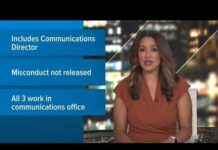
- Cole told the FBI his actions were not directed at Congress or related to the January 6 proceedings, a statement that now cuts directly against his own lawyers’ pardon argument.
What the Pardon Actually Said
President Trump signed the Jan. 6 clemency order on January 20, 2025, his first day back in office. The proclamation granted full pardons to individuals convicted of or facing indictment for offenses “related to events at or near the United States Capitol on January 6, 2021.”
It also directed the Justice Department to dismiss all pending indictments tied to Jan. 6 conduct. About 1,600 people were covered. Cole was not one of them.
Judge says alleged D.C. pipe bomber Brian Cole Jr. isn't covered by Trump's Jan. 6 pardons. https://t.co/VrSEd2qB9G
— CBS News (@CBSNews) July 6, 2026
The reason is straightforward. The pardon applied to people who had either been convicted or had a pending indictment as of January 20, 2025. Cole had neither.
He wasn’t charged until December 2024, and the Justice Department argues that even that indictment came too late to qualify. The court agreed. The judge ruled the pardon is simply irrelevant to Cole’s case.
Cole’s Own Words Undercut His Defense
Cole’s lawyers argued his actions are “inextricably linked” to the Jan. 6 events and that the pardon should be read broadly. It’s a creative legal argument, but it runs into a wall Cole himself built.
During his FBI interrogation, Cole said his actions were not directed at Congress and were not related to the proceedings scheduled for January 6. That denial is now on the record, and it directly contradicts the core of his own legal defense.
It is hard to take the “factually tethered to Jan. 6” argument seriously when the defendant already told federal investigators the opposite under questioning.
Defense lawyers are paid to make the best argument available, but this one asks the court to ignore their own client’s sworn statements to law enforcement. That’s a steep hill to climb, and the judge wasn’t buying it.
The Pipe Bombs Were Planted the Night Before — at Both Party Headquarters
The location and timing of the bombs matter here. Cole allegedly placed the devices outside the Democratic National Committee and Republican National Committee buildings on the evening of January 5, 2021. These were not at the Capitol.
They were not planted on January 6. The pardon text covers events “at or near the United States Capitol on January 6.” Cole’s alleged conduct fails that test on geography, timing, and by his own admission, intent.
Judge says alleged D.C. pipe bomber Brian Cole Jr. isn't covered by Trump's Jan. 6 pardons. pic.twitter.com/hgSpjRgYxg
— super dlcs (@superdlcs) July 7, 2026
The Justice Department put it plainly in its court filing: on January 20, 2025, Cole belonged to neither category of individuals eligible for the pardon. He was not convicted. He was not yet indicted. The department said the proclamation has no bearing on this case, and the court agreed. That is not a close legal call — it is a clear reading of explicit language.
Why This Case Still Has a Long Road Ahead
The pardon fight is settled for now, but the underlying case is far from over. Cole faces serious federal charges tied to the pipe bombs, which were discovered by law enforcement on January 6 and forced evacuations near the Capitol complex.
The devices were real, the threat was real, and the investigation ran for nearly four years before Cole was identified and charged. The trial will center on whether the government can prove he planted them — and that case now moves forward without the pardon as an exit ramp.
Blanket pardons almost always generate this kind of litigation. Defendants on the edges of a clemency order will push to expand its scope — that is rational legal strategy. But courts read the text. Trump’s proclamation said January 6, at or near the Capitol, for people already convicted or charged.
Cole’s alleged bombs went off the night before, at party offices blocks away, and he spent four years as an uncharged suspect. The pardon was not written for him, and the court said so plainly.
Sources:
cbsnews.com, facebook.com, en.wikipedia.org