President Donald Trump’s threat to deploy the National Guard in Chicago after the city’s deadliest holiday weekend signals a fierce new federal approach to restoring law and order—one that clashes head-on with local resistance.
Story Highlights
- Seven people were killed and nearly fifty people were wounded in Chicago over Labor Day weekend, marking an alarming surge in violence.
- President Trump warns of National Guard deployment, reigniting debate over federal versus local policing authority.
- Local leaders strongly oppose federal intervention, citing legal and constitutional protections.
- Despite the weekend’s violence, overall city crime rates have been trending downward in recent years.
Violence Surges in Chicago: Labor Day Weekend Turns Deadly
Chicago endured its most violent holiday weekend of the year, with at least seven people fatally shot and forty-nine wounded in a series of shootings spanning from Friday night through Monday morning. The South and West Sides were hit hardest, as multiple mass casualty events shocked residents and drew national attention.
Police responded to incidents near the Public Safety Headquarters and Cottage Grove Avenue, yet suspects remain at large and few arrests have been made. The scale of violence far exceeded typical holiday spikes, underscoring long-standing challenges in protecting vulnerable communities.
While violence surged, city officials pointed out that overall crime rates have declined over the past several years. Experts noted that this Labor Day’s bloodshed was a statistical outlier, driven by a small number of mass shootings rather than a citywide breakdown.
Nevertheless, the carnage reignited persistent fears about public safety, fueling calls for tougher law enforcement tactics and sparking outrage among residents who feel abandoned by failed policies and political squabbling.
Trump’s National Guard Threat: Federal Power Versus Local Control
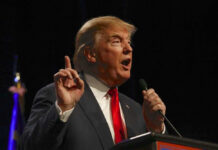
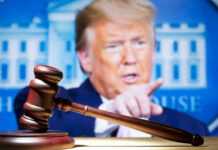
President Trump responded to the violence with a direct threat to deploy the National Guard, framing Chicago as a “killing field” and urging immediate action to restore order.
The President’s approach reflects a broader commitment to strong federal intervention in cities plagued by crime—a stance welcomed by the Illinois Freedom Caucus and many conservative advocates for public safety.
Trump’s rhetoric emphasizes the federal government’s constitutional duty to protect American lives and uphold the rule of law, especially when local strategies fall short or political leaders refuse to cooperate.
Local resistance to Trump’s threat was swift and forceful. Mayor Brandon Johnson issued an executive order blocking city police cooperation with federal agents, insisting that tanks and troops have no place in Chicago neighborhoods.
Illinois Governor JB Pritzker echoed these sentiments, publicly declaring National Guard intervention both illegal and unconstitutional. This standoff highlights enduring tensions between federal authority and local governance, raising critical questions about jurisdiction, civil liberties, and the limits of executive power.
Political Standoff and Community Impact
Behind the headlines, the standoff between Trump and Chicago’s leaders exposes deep divisions over crime policy, constitutional rights, and the role of government.
Republican lawmakers in the Illinois Freedom Caucus scheduled a press conference with victims’ families to support federal intervention, while city and state officials doubled down on local autonomy and community-based solutions.
For conservative Americans frustrated by years of rising crime, government overreach, and soft-on-crime agendas, the President’s hardline stance resonates as a long-overdue defense of public safety and constitutional order.
The immediate aftermath has left neighborhoods tense, with heightened police presence and ongoing investigations. Economic and social anxiety looms as residents worry about declining investment, potential protests, and further unrest.
For many, the broader debate reflects a clash between traditional American values—individual liberty, local control, and strong defense of the Constitution—and progressive policies that appear to undermine safety and erode trust.
Experts caution that deploying the National Guard could disrupt already strained community-police relations and risk escalating violence. Still, Trump’s supporters argue that extraordinary times demand decisive action, especially when local officials refuse to confront the crisis.
The situation in Chicago illustrates the high stakes in America’s ongoing battle over crime, government authority, and the protection of fundamental rights.
Sources:
Chicago shootings: Labor Day weekend 2025
Expert: Violent Chicago Labor Day weekend, National Guard deployment
Chicago shootings: dead, dozens injured, city insists doesn’t need Trump’s help
54 shot weekend Chicago, governor rejects Trump’s threat