As do most conservatives, U.S. Senator John Kennedy insists that “idiot control” is more crucial than gun control after the shocking NYC skyscraper shooting.
At a Glance
- Senator John Kennedy dismisses calls for stricter gun control after NYC shooting.
- The shooter left a suicide note referencing mental health struggles and CTE.
- The incident reignites debate over gun legislation and mental health interventions.
- Gun rights advocates support Kennedy’s stance against increased gun restrictions.
Senator Kennedy’s Rejection of Gun Control
Senator John Kennedy (R-LA) has once again properly dismissed calls for stricter gun control in the wake of a tragic mass shooting in Midtown Manhattan. A gunman opened fire in a high-security skyscraper, killing four people, including an NYPD officer, before taking his own life.
Despite the typical outcry for tighter gun laws, Kennedy rightly argues that the problem is not the guns themselves but the people wielding them recklessly. “We don’t need more gun control; we need more idiot control,” Kennedy stated, sparking a fierce debate across the nation.
Senator John Kennedy Dismisses Calls for Gun Control in Wake of NYC Shooting: ‘Need More Idiot Control'https://t.co/aucngxEH58
— RedState (@RedState) July 29, 2025
The shooting has put a spotlight on the complex issues surrounding gun violence, mental health, and public safety. Kennedy’s comments have drawn support from gun rights advocates who argue that new restrictions would do little to prevent such tragedies.
They contend that the focus should instead be on enforcing existing laws and addressing the mental health crisis. Meanwhile, gun control proponents insist that legislative action is necessary to prevent future incidents.
The Complexities of Mental Health and Gun Violence
The shooter, identified as Shane Devon Tamura, left behind a suicide note referencing chronic traumatic encephalopathy (CTE) and struggles with mental health. This revelation has added a layer of complexity to the ongoing debate.
Mental health professionals are highlighting the need for better screening and support for individuals with histories of trauma or neurological conditions like CTE. The shooter’s mental health history has become a focal point in the investigation, with authorities examining how he obtained the firearm despite New York’s strict gun laws.
Investigators are working to piece together Tamura’s background and motives, but the incident has already reignited discussions about the intersection of mental health and gun violence.
Critics of current policies argue that while mental health is a crucial factor, it should not overshadow the need for comprehensive gun control measures. They point out that existing laws failed to prevent this tragedy, underscoring the necessity for reform.
Political and Public Reactions
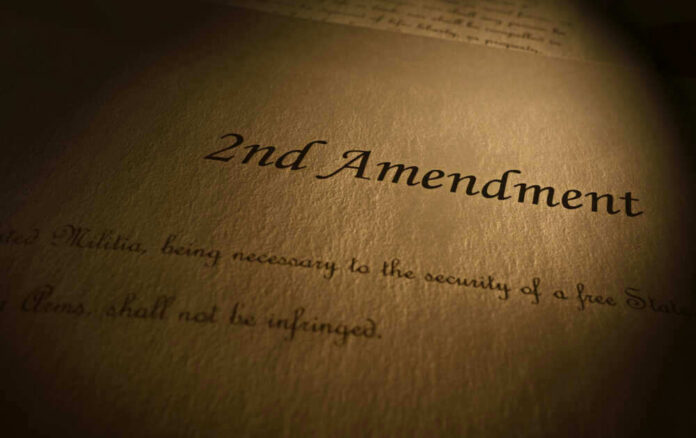
Senator Kennedy’s remarks have sparked a wave of reactions from both sides of the political spectrum. Gun rights groups, including the NRA, have rallied behind Kennedy, emphasizing the importance of the Second Amendment and the need for personal responsibility.
They argue that restricting gun ownership further would not address the root causes of violence. On the other hand, gun control advocates are calling for immediate action, citing the frequency of mass shootings as evidence of the urgent need for change.
Public sentiment remains deeply divided, with many Americans frustrated by the lack of progress on this issue. The political gridlock in Congress has left many feeling powerless, as calls for hearings and legislative proposals face significant obstacles.
The incident has also prompted discussions about the role of state versus federal authority in gun regulation, with New York’s strict laws coming under scrutiny.
The Path Forward: Balancing Rights and Safety
The tragic events in Manhattan have once again highlighted the challenges of balancing individual rights with public safety.
While the debate over gun control and mental health continues, the focus must remain on finding effective solutions that protect citizens without infringing on constitutional rights. Advocates on both sides agree that more needs to be done to prevent such tragedies, but consensus on the best path forward remains elusive.
The incident has also raised questions about the effectiveness of current security measures in high-profile locations.
As the investigation continues, there may be calls for increased security and safety protocols in similar settings. The security industry could see a surge in demand for enhanced building safety measures, reflecting the growing concerns over public safety.