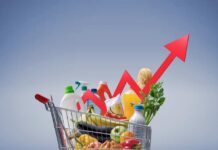
For the first time in four months, inflation actually retreated in June 2026, and it beat every major forecast doing it.
Story Snapshot
- Annual inflation dropped to 3.5% in June, down from 4.2% in May, beating the 3.8% forecast economists expected.
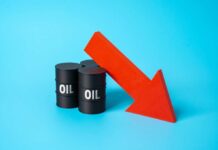
- Gas prices fell 9.7% in June, the biggest one-month drop since April 2020, pulling the headline number sharply lower.
- Core inflation, which strips out food and energy, held flat for the month and sits at 2.6% annually, showing underlying price pressure has not gone away.
- The Federal Reserve still faces a tough call on interest rates, with Middle East conflict keeping energy markets unpredictable.
Gas Prices Did the Heavy Lifting in June
The Consumer Price Index for All Urban Consumers fell 0.4% in June on a seasonally adjusted basis, after rising 0.5% in May. That monthly swing of nearly a full percentage point is rare.
The last time energy prices drove a one-month drop this large was April 2020, when the pandemic crushed global oil demand overnight. This time, the driver was a sharp pullback in gasoline costs after months of war-driven spikes tied to the conflict involving Iran.
Inflation just delivered a bigger surprise than economists expected.
Consumer prices fell 0.4% in June, marking the largest monthly decline since the early months of the pandemic in 2020, while annual inflation slows to 3.5%.
Core inflation also came in below forecasts,… pic.twitter.com/4pV6PCV6L6
— FOX Business (@FoxBusiness) July 14, 2026
Gas prices tumbled 9.7% in June alone. To put that in everyday terms, if you spent $80 filling your tank in May, you likely spent closer to $72 in June.
That kind of relief shows up quickly in inflation data because energy affects nearly every corner of the economy, from shipping costs to airline fares.
The three months leading up to June saw oil market disruptions push annual inflation to its highest level since April 2023.
Used Cars and Underlying Prices Also Helped
Used car and truck prices also eased in June, adding to the cooling effect. This matters because used-vehicle prices were among the most stubborn inflation drivers coming out of the pandemic, when supply chain disruptions created shortages that sent prices soaring.
Their gradual retreat is a sign that some of the pandemic-era distortions in goods markets are still unwinding, even years later.
The bigger picture on core inflation, which strips out food and energy, is more cautious. Core prices were unchanged month-over-month and rose 2.6% over the past year. That 2.6% annual core reading is still above the Federal Reserve’s 2% target.
Service prices, such as rent, medical care, and insurance, remain sticky. History shows this is normal. In every major disinflation cycle since the 1940s, goods prices fall first, and services prices take much longer to follow.
Why Beating the Forecast Matters More Than the Number Itself
Economists had expected June inflation to land at 3.8%. It came in at 3.5% instead. That gap matters because financial markets and Federal Reserve policy decisions are both built around expectations.
When inflation undershoots the forecast by that much, it shifts the odds on what the Fed does next with interest rates. Markets reacted quickly to the news, with investors adjusting their bets on whether the Fed would raise rates later this year.
Federal Reserve Chair Kevin Warsh was speaking before Congress on the same day the June report dropped, making the timing unusually pointed. The Fed has held rates at elevated levels to fight inflation.
A cooler reading gives it more room to pause. But Reuters noted that the Middle East conflict remains unresolved, and energy prices could spike again at any time, which keeps the Fed in a difficult spot.
Good News With an Asterisk Households Should Not Ignore
Here is the part that gets lost in the headlines. Inflation cooling from 4.2% to 3.5% does not mean prices went down. It means prices rose more slowly. Everything still costs more than it did a year ago. Groceries, rent, and services have not reversed course.
The relief at the gas pump is real, but it can vanish the moment oil markets get rattled again, and a war in the Middle East is exactly the kind of shock that does that.
Inflation hit 9.1% in June 2022, the worst reading in four decades. Getting from there to 3.5% is genuine progress. But the last stretch from 3.5% down to the Fed’s 2% target is historically the hardest part of any inflation fight.
Services inflation is the final wall, and it does not come down because gas gets cheaper. It comes down when wage growth slows, demand cools, and the broader economy finds a new equilibrium. That process takes time, and American households are not there yet.
Sources:
apnews.com, bls.gov, tradingeconomics.com, usatoday.com, businessinsider.com, ycharts.com, cepr.org