
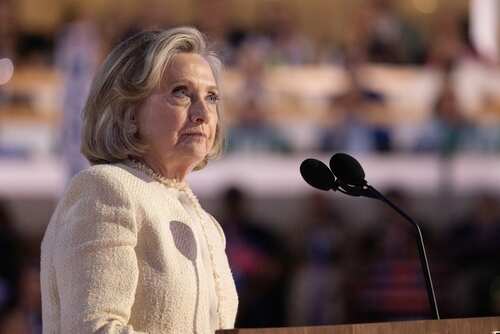
Hillary Clinton stepped behind a podcast mic to shape the 2026 midterms, and she picked Wednesdays to do it.
Story Snapshot
- “High Stakes” launched October 14, 2026, as a limited midterms series.
- Clinton co-hosts with technology journalist Kara Swisher, produced via Vox Media.
- Episodes run weekly through mid-November in Swisher’s existing podcast feed.
- Topics include cost of living, healthcare, technology, and political spending.
What Launched, When, and Where
Hillary Clinton and Kara Swisher launched a limited-run political podcast called “High Stakes” on October 14, 2026. News outlets previewed the Wednesday premiere and framed it as a focused series on the midterm elections. The show appears inside Swisher’s current “On with Kara Swisher” feed rather than a new standalone channel, which gives the project instant reach and avoids the slow build of a fresh subscription base. The Washington Post noted the weekly cadence through the election stretch.
Clinton described the goal plainly in her announcement: every House seat is up, with dozens of Senate and governor races on the line, so the show will zero in on the issues that matter before voters cast ballots. The Hollywood Reporter listed cost of living, healthcare, and technology among the featured themes. The Apple Podcasts entry adds gas, groceries, healthcare, and the debate over how Democrats sell affordability, along with political spending and artificial intelligence.
Who Is Behind The Mic And Why It Matters
Clinton brings the resume of a former secretary of state and a national campaign veteran. Swisher brings deep reporting chops on technology, business, and power. The Hill identified that pairing and described the collaboration as a pre-election series meant to explain, argue, and persuade. Vox Media handles production and distribution, leveraging an existing audience and ad system that fits how modern news podcasts earn revenue and attention at speed. The New York Times reported that advertising revenue would be shared among the hosts and Vox Media.
This model matches where political talk now thrives: long-form, personality-led shows that feel like a living room chat, not a press conference. Research groups that track media and politics point out that podcasts let political figures and celebrities reach people who follow hosts and stories, not just parties. These shows offer time to build trust, tell stories, and test frames without the tight limits of cable hits or stump speeches.
Format, Schedule, and Scope During Crunch Time
The production plan is tight and tactical. Episodes post weekly from the October 14 launch through mid-November, riding the final campaign stretch when attention peaks and undecided voters lock in. The series uses Swisher’s feed to plug into the apps and rankings that already surface her show to listeners. That choice can speed discovery across Apple and other platforms, especially when algorithms reward active feeds with steady cadence and listener history.
#BREAKING: Former U.S. Secretary of State Hillary Clinton and journalist Kara Swisher are set to launch a new podcast spanning the midterm election cycle.
— The World Eye (@TheWorldEye_) October 14, 2026
The content slate aims squarely at kitchen-table concerns and tech-policy crosswinds. Expect segments that link inflation to gas and grocery prices, healthcare premiums, and the strain on family budgets. Expect technology debates on artificial intelligence, election integrity, privacy, and youth culture. Clinton’s announcement and the show listing signal both policy talk and campaign framing, with attention to how parties message affordability and where political spending surges late.
How This Fits The New Playbook For Persuasion
Politicians now chase attention where listeners already spend time and feel a bond with a host. Researchers and industry reports show that podcasts have become key channels for political communication, supported mainly by advertising and sponsorships, not subscriptions. The reach can be targeted and sticky. Listeners often complete episodes and feel a sense of connection, which can shape what stories they share and how they interpret headlines, even if it does not flip many votes by itself.
Podcast economics also favor quick-turn projects tied to major events. News organizations report that political podcast ad spending has risen, creating space for limited series timed to elections. The “High Stakes” design fits that play: a defined run, built-in feed, ad support, and a news hook that renews each week until ballots are counted. That is efficient media strategy, and it rewards clear arguments, strong guests, and repeatable segments over sprawling monologues.
What To Watch As Episodes Roll Out
The most important test is execution. Strong booking and concise explanations can turn complex policy into stories people finish and share. The next test is balance. Clinton and Swisher say they will dig into the big issues; listeners will judge whether the show scrutinizes claims, challenges spin, and separates price pressure causes that government can fix from those it cannot. Common sense and conservative values prize clarity, accountability, and real-world outcomes across these topics.
One practical note belongs here. Early coverage focused on the launch plan and format, not on listenership or final episode counts. Audience impact takes time to measure through rankings, ad loads, and third-party analytics after the series runs its course. For now, the facts are firm: the show launched on October 14, runs weekly through mid-November, lives in Swisher’s feed, and targets cost-of-living, healthcare, tech, and spending debates as voters head to the polls.
Sources:
nytimes.com, hollywoodreporter.com, thehill.com, variety.com, washingtonexaminer.com, washingtonpost.com, podcasts.apple.com, badgerherald.com, thewrap.com, sserr.ro, reutersinstitute.politics.ox.ac.uk