Prosecutors say a man in Washington helped plan a Canadian school massacre from his keyboard—and they have the messages to prove it.
Story Snapshot
- Justice Department charged a Bellingham, Washington resident with conspiracy to murder abroad.
- Federal complaint ties him to the British Columbia school shooting on February 10, 2026.
- Investigators say he sent advice, money, and agreed to help a livestream.
- Royal Canadian Mounted Police confirm a linked cross-border probe.
What the Justice Department Says Happened
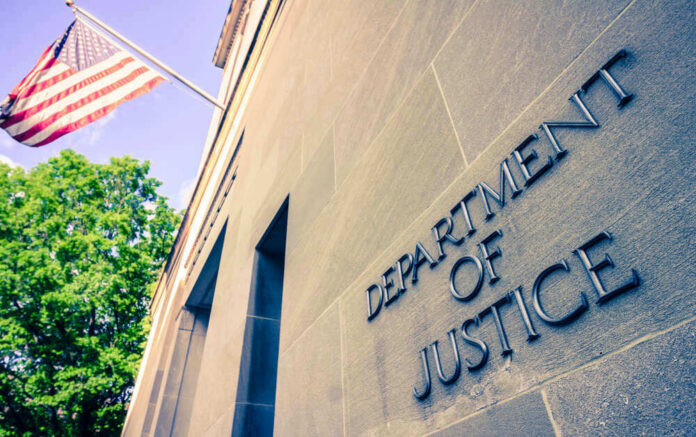
The Department of Justice charged 30-year-old James Cody Bryant with conspiracy to murder persons in a foreign country. The case ties him to the February school shooting in Tumbler Ridge, British Columbia. The government says Bryant’s conduct crossed the line from talk to help. Federal prosecutors point to communications, payments, and planning help that, they say, aided the killer’s actions. The charge stems from a criminal complaint, which means the claim sits in an active court process.
Media accounts that cite the complaint describe a steady link between Bryant and the shooter. Reporters say prosecutors allege Bryant gave advice, sent money, and agreed to help livestream the attack. These claims come from filings and law enforcement summaries, not a verdict. But they form a clear theory of the case: online coaching and material support can be a conspiracy when tied to a deadly outcome overseas.
What Investigators in Canada Confirm
The Royal Canadian Mounted Police state that a United States resident has been charged in connection with the Tumbler Ridge school attack. That public stance signals coordination across the border and an ongoing Canadian investigation. The Canadian side has not released every detail because the case is live. Still, the cross-border posture matches the Justice Department’s narrative and supports the basic timeline the public has seen so far.
Early reports named the suspected shooter and described message exchanges with Bryant before the attack. Some outlets use slightly different spellings of the shooter’s first name. That happens in fast-breaking stories, but it does not change the core facts alleged by prosecutors. The complaint’s reported length—41 pages—suggests investigators gathered message logs and images to build the case file that outlets are referencing.
Inside the Alleged Online Role
According to multiple outlets citing the complaint, Bryant stayed in routine contact with the shooter on the chat platform Discord. The reporting says prosecutors claim Bryant offered guidance on the plan, sent funds, and discussed how to livestream the murders. If accurate, that conduct fits how conspiracy law works. Agreement, intent, and any step—like funding or test runs—can meet the elements, even when the killing happens outside the United States.
Defense points may focus on context inside those chats. One outlet reports that Bryant told agents he tried to talk the shooter out of it at times, yet he also admitted to testing livestream gear and discussing location choice, according to court records cited by the press. A jury will weigh what matters more: attempts to dissuade, or concrete steps that prosecutors say helped the attack move forward.
Why This Case Matters Beyond One Tragedy
Conservative common sense says speech becomes action when you fund it, plan it, or push it past talk. That is the line prosecutors claim Bryant crossed. The law that covers conspiracy to kill in a foreign country exists for exactly this kind of cross-border, online-to-offline harm. If the messages and transfers line up with the timeline, the case will look strong. If not, the complaint will face hard scrutiny in court, as it should in a free society.
Platforms like Discord now sit at the center of major violence cases. That creates two duties. First, a duty for law enforcement to move fast when signals surface. Second, a duty for citizens to report threats, not cheer them on or “tech support” them. The public should expect prompt facts from authorities and careful trials for the accused. Accusations are not verdicts. But when talk funds terror, the law must bite—and the evidence must carry the day.
Sources:
bbc.com, justice.gov, nbcnews.com, cnn.com, rcmp.ca