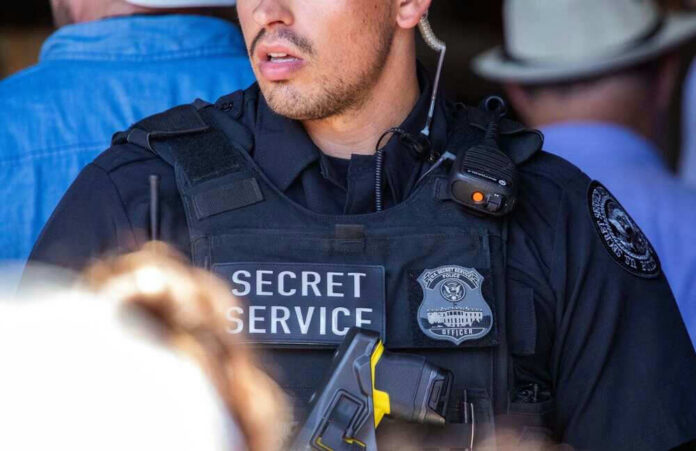
The Secret Service says threats against its full-time protectees have jumped just over 40% this year, and it is racing drones, data, and time to keep up.
Story Snapshot
- Secret Service leadership reported a 40% rise in threats to full-time protectees.
- About 10,000 threats have been logged since January, according to the director.
- Leaders say the drone threat is real and growing, with new defenses in motion.
- Agents recently jammed a drone at a high-profile event with top officials present.
What the directors said on camera, and why it matters
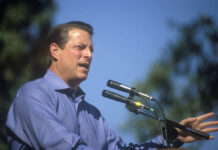
Secret Service Director Sean Curran and Deputy Director Matt Quinn sat for their first joint interview on 60 Minutes. Curran said threats against full-time protectees are up just over 40% and called the surge massive. He added that the agency has logged about 10,000 threats since January. Quinn said the drone threat is very real and pointed to battlefield use abroad and intelligence reports as warnings the United States cannot ignore.
“The threats on our full-time protectees are up just over 40% since… last year. That's a massive increase,” says Secret Service Director Sean Curran. https://t.co/eM3XqhHxVO pic.twitter.com/6IUUNzp0B1
— 60 Minutes (@60Minutes) October 11, 2026
The claims land in a polarized political season and a volatile media moment, but the message from leadership was tight. The rise spans the president, the vice president, and other protectees, not just one figure. The jump forces shifts in staffing, screening, and how threat units triage digital noise. The larger the haystack, the more a false note can waste time. The more noise, the more a missed signal can cost lives. That is the operational bind.
Numbers without drama, and the single question behind them
The headline numbers do not answer the core question: what counts as a threat and how does the agency classify risk. Law enforcement often sees jumps when reporting tools improve or when public attention spikes. That can be more danger, better detection, or both. The directors did not present a table or case list on air. The point still stands: a 40% swing in protective-intelligence workload reshapes deployment and drives procurement.
The government’s own watchdogs and researchers have flagged drone risk growth across sectors. The Government Accountability Office described how small drones can disrupt or endanger critical sites and how counter-drone tools include detection, jamming, capture, and defeat options. That snapshot mirrors the Service’s path: detect fast, decide faster, and stop the threat with the least harm to bystanders and lawful air users. That is simple to say and hard to do over a crowded city.
Drones move from headline threat to live-fire test
Quinn said the agency is building offensive and defensive tools to meet drones head-on, including radar and artificial intelligence-guided systems designed to disable and capture hostile platforms. The 60 Minutes team reported an example from the Army-Navy game in December, where agents used electronic jamming to bring down a drone with the president and members of Congress on site. One field case does not prove a program, but it shows rules of engagement taking shape in real venues.
Defense and research circles echo that trajectory. Studies on corrections and base defense describe layered answers: detect, track, decide, then defeat only when lawful and needed. They warn that small drones blur lines between hobby, protest, crime, and attack, and that legal limits can slow response if roles are unclear. Congress and the executive branch have started to close those gaps with new authorities across the homeland security enterprise. The Service’s message fits that arc.
What a conservative lens sees in the posture shift
The agency’s stance aligns with common sense security: measure the risk, harden the target, and keep tools ready before the worst day. The focus on drones signals a practical threat, not theater. The preference for arrest over spectacle matches American conservative values of law, order, and restraint. The push for better kit and clearer authority makes sense when air risks fly faster than paperwork. Congress should demand results and definitions, then fund what works and cut what does not.
One caution applies to any big number in a short segment. The 10,000 figure and 40% rise come from leadership on air, without a public data book. That does not weaken the duty to respond. It does argue for steady oversight: show how threats are coded, how many cases move to arrests, and which tools stop the most danger per dollar. That mix of candor and rigor keeps protectees safe and keeps the system honest.
Sources:
cbsnews.com, paramountpressexpress.com, gao.gov, rand.org, congress.gov