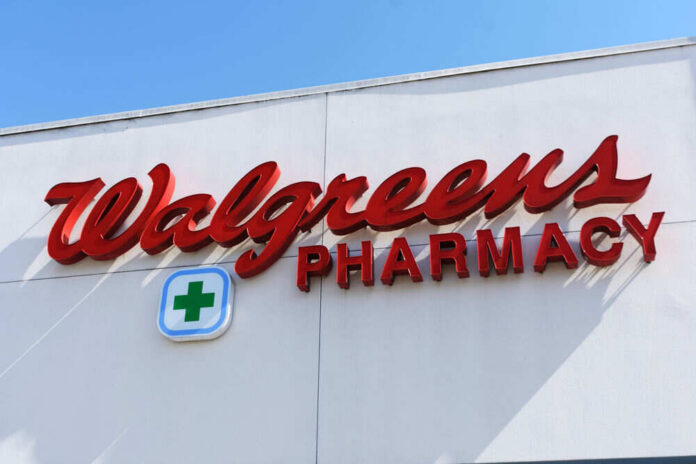
Walgreens pulled eye drops from shelves because the maker could not prove they were sterile, not because injuries were reported.
At a Glance
- Manufacturers initiated voluntary recalls tied to sterility assurance, not confirmed contamination.
- Federal officials classified related actions as Class II recalls.
- Walgreens listed the recall on its official product-recall page.
- Millions of bottles across major retailers were affected this year.
What triggered the Walgreens eye drop recall
Manufacturers pulled select Walgreens-branded eye drops after a sterility-assurance lapse emerged. Reports state the core issue was a lack of proof that the products met sterile standards, not a lab finding of live germs. The companies initiated the actions voluntarily, consistent with drug-safety rules that emphasize prevention over reaction. Walgreens posted the notice on its recall page, confirming the event and helping shoppers identify affected items and next steps.
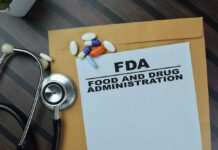
The United States Food and Drug Administration uses a graded recall system. Coverage shows these actions were treated as Class II in the reported cases, which signals a risk of temporary or medically reversible harm if a problem exists, not likely severe injury. That language often causes confusion. It does not prove harm happened; it ranks possible outcomes if sterility truly failed. For eye products, even a missing test can justify a recall because the eye is so vulnerable.
What was recalled and where it was sold
News outlets and retailer notices tied the recall to Walgreens-labeled drops among wider private-label items pulled by contract manufacturers. Listings named products like Walgreens lubricant drops and redness relief variants among others identified in the larger recall wave this year. Distribution spanned major chains, which is common when a single plant supplies many store brands. That supply model brings scale benefits but also means one quality lapse can ripple across many labels at once.
Walgreens’ page shows the company communicating the recall to customers and pointing them to remedies, such as refunds or safe disposal. That approach fits standard practice for private-label products, where the retailer owns the brand and the manufacturer runs the plant. The recall notices stress that no confirmed injuries had been reported at the time and that the recall was precautionary because of missing or inadequate sterility assurance.
Why “lack of assurance of sterility” matters
Eye drops must be sterile because any microbe in a liquid placed directly on the eye can seed an infection. Regulators do not wait for outbreaks to act. They require companies to prove sterility through strict process controls and testing. When those records fall short, recalls follow to protect patients. Doctors quoted in coverage framed this as the right call: if the plant cannot show sterility on paper, the product should not stay on shelves. That is common sense and sound policy.
Consumers often ask whether “no test equals no problem.” That logic fails at the eye. A missed test is not a clerical error; it is a blind spot in safety. The better rule is simple: if you cannot prove drops are sterile, do not use them. That is why the Class II label appears in these stories. It flags a plausible, reversible risk if contamination were present, which is enough to act while facts are gathered. This protects seniors, contact lens users, and surgery patients who face higher stakes.
What to do if you bought the affected products
Check Walgreens’ recall page to match product names, lot numbers, and dates, then follow the return or disposal guidance provided there. If you used any of the recalled eye drops and notice redness, pain, discharge, or vision changes, stop use and call your doctor. Keep the bottle and note the lot number if you plan to report a problem. Federal guidance and expert commentary in recent coverage back this calm, stepwise response for recall cases tied to sterility gaps.
🚨 FDA RECALLS NEARLY 748,000 EYE-DROP PRODUCTS OVER STERILITY CONCERNS: The recall covers products made by Sterling Pharmaceutical Services and sold under nine brand names, including Walgreens, AvKare, Reliable-1, TRP and Major.
The affected products include lubricant eye…
— MDBayNews (@MDBayNews) October 3, 2026
Choose replacements from unaffected brands or preservative-free single-use vials from reputable makers. Buy from well-known retailers, and avoid products without clear labeling or lot codes. Check that caps seal cleanly and that bottles are not damaged. Store drops as directed and keep the tip clean. These basic habits lower risk even further. Recalls like this feel alarming, but they also show the system working: companies pulled stock quickly, and retailers alerted customers fast.
Sources:
abcnews.com, nbcnews.com, cbsnews.com, goodrx.com, rollingout.com, nbcnewyork.com, wral.com