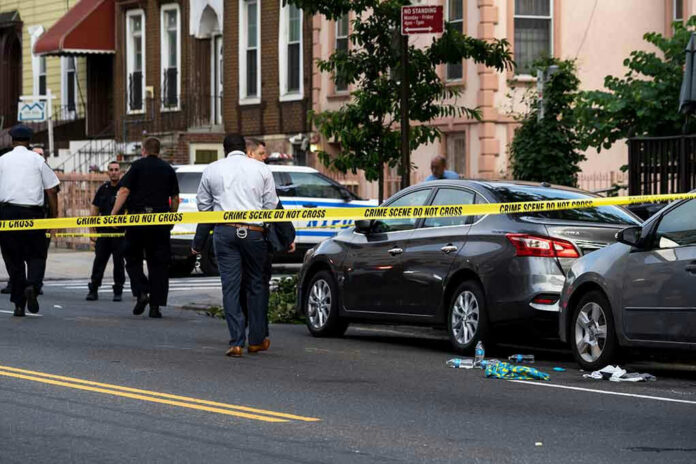
On his 34th birthday, Ken Urker was found dead inside a Raceland, Louisiana home — a tragedy confirmed by deputies and now under medical review.
Story Snapshot
- Deputies found Urker dead after a 6:15 p.m. call to a Raceland address.
- Officials said they saw no evidence of foul play during the early investigation.
- The coroner completed an autopsy; toxicology is pending before a final ruling.
- Gypsy Rose Blanchard said she believes he died from an overdose, not yet confirmed by officials.
What Deputies Found And When They Arrived
The Lafourche Parish Sheriff’s Office said deputies responded to a residence on Double H Drive in Raceland at about 6:15 p.m. on Thursday, Oct. 1. They found 34-year-old Kenan “Ken” Urker dead inside the home upon arrival, according to statements shared with multiple outlets. The initial dispatch log categorized the call as a reported overdose. This detail sets the timeline for what investigators considered as they secured the scene and turned next steps over to the coroner’s office.
Officials told reporters there was no evidence of foul play at that stage. That early finding matters. It narrowed the focus to a medical death investigation rather than a violent crime scene, a distinction that shapes how investigators collect evidence and how the coroner approaches cause and manner of death. A brief note of caution: based on what authorities shared publicly at the time, an arrest or homicide theory was not in play.
Coroner Steps: Autopsy Done, Toxicology Next
The Lafourche Parish coroner completed an autopsy and said the case remains pending the results of toxicology testing. That process is standard in suspected drug-related deaths. Toxicology helps confirm or rule out substances that could explain sudden collapse or respiratory failure. The coroner said there was no definitive cause of death yet, which is routine language until lab results and scene information are integrated into a final ruling on the death certificate.
National health guidance also explains why these cases often remain “pending investigation” for a period. Death investigators match scene facts with autopsy findings and laboratory data before they state cause and manner. This method reduces guesswork and prevents error on official records that affect families, insurance, and public health counts.
What Blanchard Said, And What Police Did Not Say
Gypsy Rose Blanchard told interviewers she believes Urker died from a drug overdose and said he had struggled in recent days. Outlets reported that her overdose claim came from her own account and not from police or the coroner’s office. That distinction is important. Her statement explains what those close to him feared and saw, while officials must wait for test results before they declare a cause of death on the record.
Ken Urker, the 34-year-old boyfriend of Gypsy Rose Blanchard, was found dead in their Louisiana home on Thursday. Authorities state the investigation remains ongoing, while Blanchard told reporters she suspects his death was caused by an overdose. https://t.co/ov4b2XZwrg
— The Washington Times (@WashTimes) October 4, 2026
Some coverage described items consistent with drug use found on scene, based on secondary reporting rather than a full official inventory. Those details, while suggestive, do not replace the coroner’s final determination. The best practice in drug-related death investigations is clear: document the scene, run a comprehensive toxicology panel, and align lab findings with medical history and circumstances before certifying the cause and manner of death.
Why The Timeline And Location Matter
Reports agree on the core timeline: deputies answered the Raceland call early Thursday evening, Oct. 1, and found Urker deceased on the day he turned 34. The Lafourche Parish Sheriff’s Office location details, the lack of early signs of foul play, and the coroner’s pending toxicology together frame a straightforward chain of custody from scene to lab. Multiple independent outlets published consistent summaries of those facts within a day of the response.
How To Read The Next Update
The next hard fact will come from the coroner’s office: a signed cause and manner of death. If toxicology confirms lethal drug levels and aligns with the scene, the certificate will likely state a drug intoxication cause and assign a manner such as accident, suicide, or undetermined, based on the totality of evidence. If toxicology is negative or non-lethal, the cause may shift toward other medical explanations. Until then, officials treat it as pending for good reason.
Sources:
nbcnews.com, wdsu.com, people.com, nytimes.com, nola.com, abc7news.com, cbsnews.com, pmc.ncbi.nlm.nih.gov, forensicresources.org, cdc.gov