TSA removed chairs from airport ID-check podiums nationwide and told officers to stand, saying it boosts alertness and hospitality.
Story Snapshot
- TSA confirmed a nationwide standing rule for officers checking IDs and boarding passes.
- The agency tied the change to alertness, professionalism, and fitness for duty.
- The union said chairs were already gone in most major airports and objected on safety grounds.
- The policy targets travel document checker posts, not every workstation.
What Changed At The Checkpoint
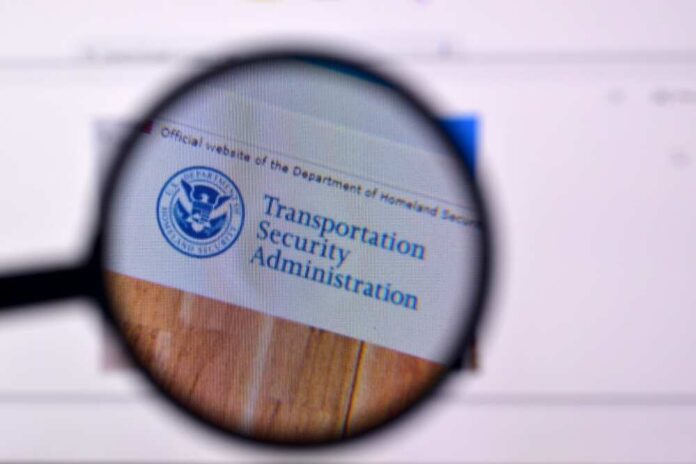
The Transportation Security Administration said officers who verify passenger IDs and boarding passes must now stand while on duty at checkpoint entrances. The agency confirmed it is removing chairs from those travel document checker podiums across the country.
TSA framed the move as a way to keep officers alert and to improve the first interaction travelers have at security. The agency also linked the shift to fitness-for-duty standards for a national security role.
Coverage from multiple outlets described the rollout as national in scope and focused on the document-check position. Reports did not say that every screening station lost seating, only the posts where officers greet travelers and check IDs.
That clarity matters for travelers and staff who rotate through different tasks at the checkpoint. Document checkers are the face of security for most passengers, and TSA wants that first step to project readiness and order.
NEW: TSA confirms to @FoxNews that they are taking chairs away from TSA officers checking IDs/travel documents at security lines at airports in an effort to improve vigilance and hospitality by having officers stand and look passengers in the eye while interacting. A TSA… pic.twitter.com/V9F18bIaoz
— Bill Melugin (@BillMelugin_) September 29, 2026
How And Where It’s Being Implemented
Timing points to an immediate rollout. The union representing Transportation Security Administration workers said chairs were already being removed and that the change had begun in most major airports.
News reports echoed that the removal started late last week and was underway by Tuesday. That pace suggests a management directive intended for fast field action rather than a long rulemaking process with comment periods and delays.
Reporters also noted a consistent operational scope. The policy targeted the travel document checker role at the entrance to the checkpoint. That role sets the tone for lines and helps catch problems early, such as invalid identification or boarding issues.
Keeping that officer on their feet aligns with a visible security posture aim: heads up, eyes scanning, and ready to direct traffic without a lag between sit and stand.
Why TSA Says Standing Matters
TSA framed the change as about vigilance and customer experience. The agency said standing supports alertness and shows professionalism to the public.
It also tied the move to fitness-for-duty expectations for officers who perform a vital national security task while greeting thousands of travelers each day. That message signals a back-to-basics posture: small steps that shape behavior, presence, and how authority appears at the front of the line.
From a common-sense lens, the stated goals track with order and accountability. Security jobs demand attention and command of space. A standing officer looks engaged and can move faster to solve a problem.
The question is not whether posture alone stops threats. It is whether posture supports the habits that do: scanning faces, guiding flow, and acting without delay. On this narrow point, the agency’s rationale is easy to understand, even if some prefer a different method.
What Workers’ Representatives Say
The American Federation of Government Employees TSA Council 100 said the chairs served as basic ergonomic support and warned that removing them could harm worker safety on hard floors over long shifts.
The group said the change was already in place at most major airports. Their stance adds an operational detail that confirms the practical rollout while pressing management to address fatigue and injury risks in a high-repetition job with little downtime.
Workplace health research shows simple steps can ease strain from prolonged standing, like anti-fatigue mats, standing supports, task rotation, and structured breaks.
If management wants posture without burnout, building these supports into the shift plan is the smart play. That mix respects both the alertness goal and the human body’s limits during long hours on rigid surfaces.
What Travelers Can Expect Next
Travelers will meet a standing officer at the front of the line. Expect a quicker handoff from scan to signal, with fewer pauses. Lines may feel more directed during peak times as officers maintain eye contact and motion.
If the posture shift sticks, airports could see more consistent greetings and clearer lane guidance. The agency has not published specific metrics tied to the change, but the visible cue—a standing checker—will be hard to miss on your next trip.
The real test will come in how airports backstop the stance with basics that matter: enough staff on busy shifts, mats underfoot, and rotation that keeps officers fresh. Those are low-cost adds that match the policy’s spirit.
When leadership pairs standards with practical support, front-line teams perform better, and travelers notice. That balance is how this small change can pay off without needless strain.
Sources:
abcnews.com, usatoday.com, cnn.com, travelmarketreport.com