
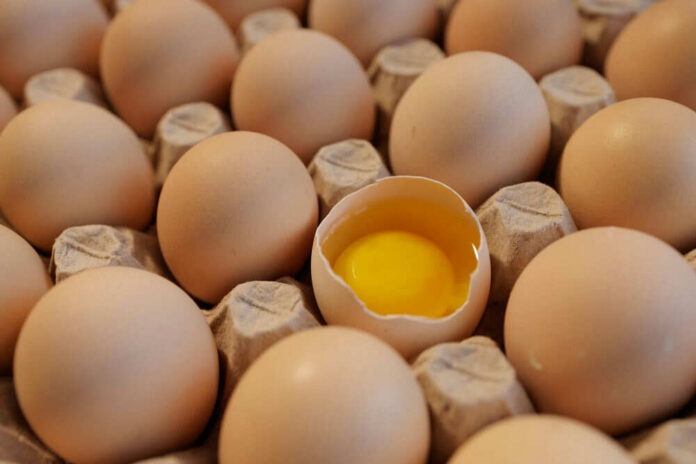
California health officials tied a salmonella outbreak to specific lots of Happy Hens organic eggs and told people to stop eating them immediately.
At a Glance
- State officials reported 23 sick, 7 hospitalized, no deaths, and a voluntary egg recall.
- Recalled lots: 223 (sell by Sept. 10), 226 (Sept. 13), and 237 (Sept. 24).
- Genetic testing linked samples from the farm to patient illness strains, officials said.
- County interviews also traced cases to raw-egg mayonnaise at a local market.
State links outbreak to specific egg lots and orders a stop to use
The California Department of Public Health said 23 people in the state got sick with Salmonella Enteritidis, and seven went to the hospital. No one died. Investigators connected the illnesses to Happy Hens organic shell eggs sold in three lots.
Those were lot 223 with sell by September 10, lot 226 with sell by September 13, and lot 237 with sell by September 24. Happy Hens issued a voluntary recall on September 8 following the state’s warning.
The state urged consumers and food businesses not to eat, serve, or sell the recalled eggs. The guidance said to throw the cartons away or return them to the store for a refund. The warning also reminded people that raw or undercooked eggs can spread salmonella.
That includes foods like runny omelets, homemade mayonnaise, some dressings, and desserts made with raw eggs. Clear steps like these help stop an ongoing outbreak from growing.
Eggs recalled as salmonella outbreak sickens 23 people https://t.co/4YIxeCzddl
— FOX Business (@FoxBusiness) September 17, 2026
County traceback points to raw-egg mayo and the farm supply
San Diego County investigators tracked several cases to foods made with raw eggs. The county said unpasteurized Happy Hens eggs were used in mayonnaise at Ramona Family Naturals Market.
People who ate the mayo got sick, and interviews also tied illnesses back to the egg farm itself. This fits a known pattern in egg outbreaks, where raw or lightly cooked egg products often act as the vehicle that carries the bacteria to people.
Illness onset dates ran from June 21 through August 16, which shows a sustained pattern. That timing supports a shared source that stayed in circulation for weeks. Public-health teams look for this kind of spread across dates and places.
When the same brand and lots appear more than once, they flag it, pull distribution records, and act fast to prevent new cases. The state report in mid-September said the outbreak was still active.
Lab findings match the human illness strain
Federal inspectors collected environmental samples from poultry housing areas at the farm. Tests found Salmonella Enteritidis. Genetic analysis then linked those positives to the strain found in people who got sick, according to reporting on the inspection results.
This kind of genetic match is strong evidence that ties a location to an outbreak, and it often triggers targeted recalls when combined with case interviews and sales data.
The same playbook has ended other egg outbreaks. In July 2026, the Food and Drug Administration and the Centers for Disease Control and Prevention reported that combined lab, interview, and traceback data linked shell eggs to illnesses.
That case led to a large recall and a sharp drop in new cases that followed. The process shows how early recall action protects people even while deeper files and audits continue behind the scenes.
What to do now and how this aligns with common sense
Households should check the carton stamp for lot numbers and sell-by dates. If it matches lot 223, 226, or 237, then do not eat the eggs. Toss them or return the carton. Wash hands and any bowl, utensil, or surface that touched the eggs.
For the next few weeks, avoid raw-egg recipes unless you use pasteurized eggs. Restaurants and markets should do the same checks, pull any affected stock, and review their mayo and dressing recipes to use pasteurized eggs.
Public health protects the many and respects small business when it relies on clear evidence and narrow recalls. The state’s action focuses on named lots and dates. The warning also points to a known risk route: raw-egg mayonnaise. That is targeted and reasonable.
Genetic links, a defined timeline, and specific product codes reflect an approach to safety: move fast, be precise, and keep commerce open where risk is not shown. That is how you stop an outbreak without punishing the innocent.
Sources:
foxbusiness.com, desertsun.com, nbcsandiego.com, marlerblog.com