
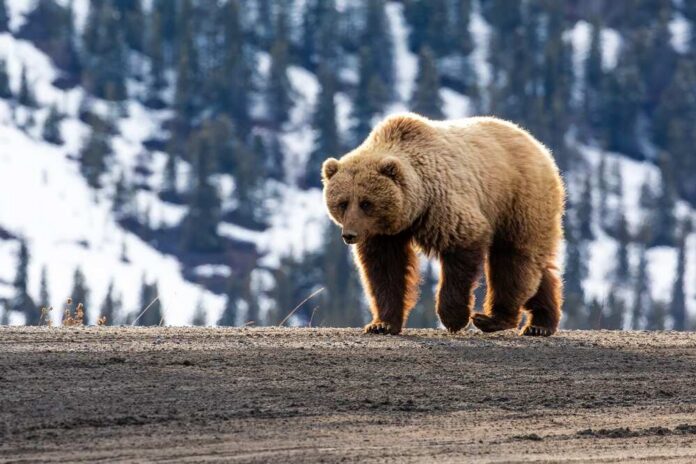
A black bear bit a woman through her tent near South Fork and swiped a sleeping teen inside a Durango condo—hours apart, same weekend, same lesson.
Story Snapshot
- Colorado Parks and Wildlife reported two confirmed bear attacks over one weekend.
- One victim was bitten through a tent at Park Creek Campground near South Fork.
- A separate bear entered a Durango bedroom through a window and scratched a 17-year-old.
- Both injuries were minor; officials tied incidents to a record year of bear conflicts.
Two Attacks, One Weekend, Clear Patterns
Colorado Parks and Wildlife said two separate bear attacks occurred over the same weekend. Officers responded first to Park Creek Campground in Rio Grande National Forest near South Fork. A woman inside a tent suffered a puncture wound on her right arm that matched a black bear bite, and she received hospital care.
Hours later in Durango, a black bear ripped off a window screen, pushed a cracked window open, entered a condo bedroom on Escalante Drive, and swiped a sleeping 17-year-old on the stomach, leaving scratches and bruising.
Colorado Parks and Wildlife described the injuries in both cases as nonfatal and limited. Officers found holes and marks in the tent wall that backed up the bite report near South Fork.
In Durango, the teen reported three scratch marks and bruising after the bear contact. Officials said the bears had not yet been captured when they first reported the incident and assessed that there was no ongoing public health threat to the wider community.
Where, When, and How The Encounters Happened
The tent attack happened at Park Creek Campground in the Rio Grande National Forest near South Fork, a popular area where camp food smell and summer traffic often overlap with bear movement.
The Durango break-in occurred around 2 a.m. inside a condo on Escalante Drive, near retail corridors that can become food sources if windows are left open and trash or food odors are present. The agency’s statements placed both events within the same weekend and linked them to a surge in late-season bear activity.
Officers pointed to physical evidence, witness accounts, and injury patterns to confirm the attacks. The tent wall showed bites and tears that lined up with the woman’s wound.
The condo window had a removed screen and signs of forced opening. The teen’s injuries were consistent with a paw swipe, not a deep bite. Neither victim required extended hospitalization, and both were expected to recover.
Why Bear Encounters Are Climbing Now
Colorado Parks and Wildlife has warned for years that human-bear conflicts spike as bears enter hyperphagia late in summer and early fall. Bears feed up to twenty hours a day to build fat for winter and follow scent, not caution.
When drought or wildfire reduces natural foods, bears press into campgrounds and neighborhoods for trash, bird feeders, grills, and open windows. The agency logged more than five thousand bear reports in 2025 and flagged another increase in 2026.
2 injured as bear attacks reach record high in Colorado amid drought https://t.co/Gqvg833UHO pic.twitter.com/WCIITfFfoV
— Estes Park Trail-Gazette (@EPTrailGazette) September 15, 2026
The agency and local outlets framed the South Fork and Durango incidents as part of a record year for confirmed attacks. Several reports put the statewide count at ten by mid-September, underscoring how small lapses—unsecured camp food, a cracked window—create big risks when bears are hungry and bold.
What Works: Simple Steps That Prevent Break-Ins
Close and lock ground-level windows at night during peak bear season. Install sturdy screens and, if you must cool a room, use blocks or locks that limit window openings to a few inches. Remove indoor food odors near open windows; clean counters, bag pet food, and empty kitchen trash at night.
At camp, store all food, coolers, and scented items in a hard-sided vehicle or bear box. Keep camp clean, cook downwind, and never sleep with food or trash in a tent. These habits shrink the scent footprint that draws bears.
For homeowners, use bear-resistant trash cans and secure them until collection morning. Remove bird feeders during active bear months, clean grills, and pick fruit from trees before it drops. Motion lights and noise can deter a curious bear, but nothing beats removing the food reward.
Colorado Parks and Wildlife’s guidance is consistent: secure attractants, report problem bears, and let officers decide on monitoring, relocation, or, when needed for safety, euthanasia.
Accountability Without Hysteria
These two cases show that calm, fast action matters more than viral outrage. Officers responded, documented evidence, treated victims, and alerted the public. Media attention helps only when it drives practical steps.
Communities that seal windows, lock trash, and keep food out of reach see fewer break-ins, fewer dangerous encounters, and fewer bears destroyed. That is conservation with a backbone, grounded in personal responsibility and protecting human life.
Sources:
abcnews.com, youtube.com, cpw.state.co.us, denvergazette.com, kspk.com, foxweather.com, koat.com