
Someone reportedly hurled an incendiary device at a federal immigration building in downtown Atlanta, and the Federal Bureau of Investigation (FBI) moved fast.
Story Snapshot
- FBI opened an investigation into a reported incendiary device at an Immigration and Customs Enforcement office in Atlanta.
- Agents and evidence teams worked the scene at 180 Ted Turner Drive SW on October 20 around 9:30 p.m.
- No injuries or significant damage were reported; officials said there was no known ongoing threat.
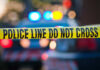
- Atlanta police secured the area and set a crime scene perimeter while federal teams collected evidence.
What Happened And Where Investigators Are Focused
The FBI said it is investigating reports that an incendiary device was thrown at the U.S. Immigration and Customs Enforcement building at about 9:30 p.m. on October 20. The site is 180 Ted Turner Drive SW, which houses immigration courtrooms and federal offices. FBI personnel and evidence response technicians collected items at the scene. Atlanta police managed the perimeter with crime scene tape and patrol units. Officials reported no injuries and no active fire during the response.
Atlanta Police Department officers responded to calls about an object thrown at the building and confirmed the address. Reporters on site described a heavy police presence while federal teams canvassed for evidence and footage. The FBI stated there was no known threat to public safety. That message aimed to calm downtown workers and nearby residents who saw flashing lights and restricted access as investigators worked through the night.
What Is Known, And What Is Still Being Tested
Authorities used the phrase “reports of an incendiary device,” which signals a preliminary classification, not a lab result. Police initially called it a possible object, and officials have not released the device’s makeup, ignition source, or fuel. No suspect has been publicly identified, and early reporting announced no arrests or charges. Those facts limit claims about intent or capability but do not change the fact that agents ran a full on-scene evidence collection at a federal facility.
Investigators will examine residue patterns, fragments, and burn marks on exterior surfaces. They will pull surveillance from the building, nearby businesses, street cameras, and patrol video to build a timeline. They will also review 911 calls and seek witnesses who saw a throw, a flash, or a suspect leaving. If they recover fingerprints or DNA, they can compare them to known records. A detailed forensic report would show whether the item meets the legal definition of an incendiary device.
Why This Matters For Public Safety And Policy
Direct attacks on government buildings test both security and resolve. Even when damage is limited, the goal can be disruption, fear, or headlines. Data on political violence show that government and law-enforcement targets appear often in extremist plots and attacks across decades. The Center for Strategic and International Studies recorded hundreds of U.S. plots and attacks since 1994, with many involving simple fire devices because they are cheap, portable, and fast to deploy.
DEVELOPING: FBI: Reports of possible incendiary device thrown at ICE building in Atlanta under investigation: https://t.co/cHfN9RBYuY
— Joe Ripley (@JoeRipley11) October 21, 2026
Immigration enforcement sites can draw heated rhetoric, which can tip fringe actors from talk to action. Law enforcement has warned that anti-government and anti-authority violent extremists remain a persistent domestic threat. The FBI has also reported thousands of active domestic terrorism cases in recent years, reflecting a workload that covers a wide range of ideologies and grievances. That context underscores why federal agents treat even a single nighttime throw at a federal doorway as a high-priority case.
How The Investigation Can Close The Loop
Clear, factual updates will anchor the public story. First, a forensic classification of the recovered object, including photos and a redacted evidence inventory, would settle the device question. Second, a timeline from first call to evidence transfer would clarify the handoff between city police and federal agents. Third, a targeted witness appeal with still images could surface tips. Finally, any confirmed link to past threats or persons of interest would guide security steps without compromising the active case.
The Common-Sense Read
Violence at a federal building crosses a clear line, whether it scorches paint or lights a fire. Americans can debate immigration policy from dawn to dusk, but throwing a fire device at a courthouse or office is not civic action. It is a crime against public servants and neighbors who share that block. The response here was right: secure the scene, gather evidence, and speak plainly to the public. Now the job is to find who did it and hold them to account.
Sources:
abcnews.com, wsbtv.com, x.com, atlantanewsfirst.com, negocios.com, washingtonpost.com, hindustantimes.com