
Apple’s first folding iPhone sold out so fast that buyers who ordered on day one are now waiting until next year to hold one.
Quick Take
- The iPhone Duo went up for preorder on October 16, 2026, starting at $1,999 and topping $3,000 for the largest storage option.
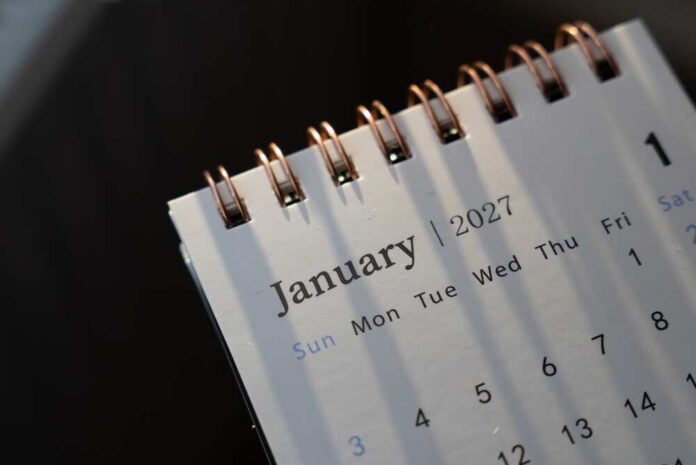
- Delivery estimates jumped from the October 23 launch date to late January within hours of preorders opening.
- Apple called the demand “nothing short of extraordinary,” and launch-day pickup inventory sold out fast.
- Analysts expect Apple to ship around 7 million units this year, with some forecasting far more in 2027.
- Limited supply, not just demand, likely played a role in how quickly delivery windows stretched out.
A Pricey Phone Vanishes From Shelves In Hours
Apple opened preorders for the iPhone Duo at 8 a.m. Eastern on October 16, 2026. Within minutes, delivery estimates began sliding past the October 23 launch date. By Friday afternoon, new orders were showing late January delivery dates, according to CBS News. Launch-day pickup inventory disappeared just as quickly, CNBC reported, even though the phone carries Apple’s highest price tag ever.
The Duo starts at $1,999 for the base 256GB model. Step up to the 2TB version, and the price crosses $3,000, CNBC noted. That is real money for a folding phone in a market still finding its footing. Yet buyers lined up anyway, pushing some online orders into a backlog that stretched roughly three months past the original ship date.
Apple And Wall Street Both Call It A Hit
Apple did not release a specific preorder count, but the company described the response bluntly. A company statement called demand “nothing short of extraordinary,” CNBC reported. That kind of language from Apple, a company known for careful corporate messaging, signals the company itself was caught off guard by how fast inventory moved.
Outside analysts backed up that read. Yorkville Ives analyst Dan Ives said demand for Apple’s first foldable was “running well ahead of supply out of the gates”. Counterpoint Research Director Tarun Pathak told CNBC he expected early demand to outpace what Apple could ship. Both take point in the same direction: more people wanted the Duo than Apple had ready to sell.
What The Forecasts Say About Apple’s Big Bet
Research firm IDC estimated Apple would ship around 7 million Duo units in 2026, with projections that Apple could grab close to 40 percent of the global foldable phone market the following year, TheStreet reported. Morgan Stanley separately estimated nearly $14 billion in December-quarter sales tied to the device. Ives went further, projecting roughly 10 million units sold over the next few quarters and as many as 25 million in 2027.
Those numbers matter because foldables remain a small slice of the overall phone market. A South Korean outlet described the launch as an “early sales sensation,” underscoring that Apple’s entry alone is reshaping expectations for a category that has struggled to break into the mainstream. Apple’s installed base of roughly 1.4 billion users means even a small share of existing customers upgrading could sell out limited early inventory on its own.
iPhone Duo pre-orders sold out within minutes this morning. As of now, every configuration is backordered until late January next year pic.twitter.com/8Jk1HNbnQa
— 9to5Mac (@9to5mac) October 16, 2026
Supply Limits Are Part Of The Story, Not Just Demand
A sellout can mean two things: overwhelming demand, or a company that built fewer units than it needed. Apple has not disclosed its initial production run, its regional allocation, or how many preorder requests came in before inventory ran dry. Without those figures, the fast-moving delivery dates confirm supply was tight, but they do not prove the full scale of consumer appetite.
What is clear is that Apple picked a hard moment to launch a complex, expensive new product category. Folding phones require new manufacturing processes, and ramping up production takes time, even with Apple’s resources. The real test comes over the next two quarters, when carrier activations, return rates, and restocked inventory will show whether this was a lasting shift in what consumers want or a short burst tied to scarcity and hype around something brand new.
Sources:
cbsnews.com, thestreet.com, cnbc.com, mk.co.kr