An eight-year-old girl was mauled inside a wolf enclosure during a children’s event at a German wildlife park, and the facts demand hard questions about safety and judgment.
Story Snapshot
- Police say at least one wolf attacked an eight-year-old inside an enclosure.
- The incident happened during a booked children’s animal-care day at Wildpark Johannismühle.
- Rescuers flew the girl to a Berlin-area hospital with serious injuries.
- Authorities are investigating suspected negligent bodily injury by a staff member.
What Happened Inside The Enclosure
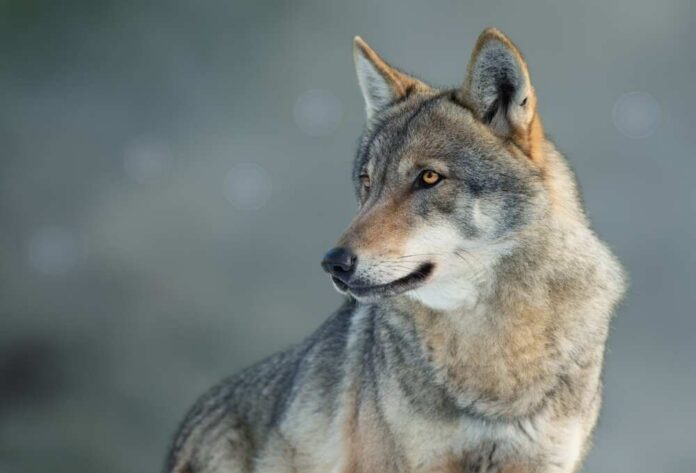
Police and district officials reported that the girl was inside the wolf enclosure with two other children and a staff member when at least one wolf attacked. The event took place at Wildpark Johannismühle, near Baruth/Mark in Brandenburg, south of Berlin. The district said the group had joined a booked children’s animal-care day. Reports state that a zookeeper intervened and the other girls were not harmed, while the injured child suffered severe wounds and needed immediate care.
Emergency crews arrived fast. A helicopter flew the child to a Berlin-area hospital. Multiple outlets described serious head injuries. Officials did not release the child’s name, which is standard in cases with minors. Police stated the number of animals that made contact is not yet fixed, using the phrase “at least one wolf.” That phrasing reflects care with facts, not doubt about the core event. The park closed for a time and said it would fully cooperate with authorities.
How Officials Are Investigating
Police opened an investigation into suspected negligent bodily injury by a park employee. That step tests whether staff followed rules, gates worked, and safety measures matched the risk. It does not decide guilt. Investigators will look at training records, enclosure access logs, and any camera footage. They will likely review the park’s operating procedures and verify who authorized children to enter the enclosure and under what controls that access occurred.
District officials confirmed the timeline and location details. The Teltow-Fläming district described the program as a children’s animal-care day. Police reports and several outlets aligned on the key facts: a wolf attack inside an enclosure, an eight-year-old victim, and an emergency airlift to a hospital. The core account remained consistent across police statements and major news organizations, which strengthens confidence in what happened and narrows the focus to cause and responsibility.
Why Captive Wolves Are A Different Risk
Wolves in the wild avoid people in most cases. Captive wolves are another matter. Close contact changes the risk. Feeding routines, space limits, and repeated exposure to humans can blunt the animal’s natural avoidance. A World Wide Fund for Nature survey found verified wolf attacks from 2002 to 2020, with many linked to captivity, food conditioning, or other human-driven factors. That pattern separates this incident from debates about wild, free-ranging wolf behavior in forests and fields.
An 8-year-old girl was airlifted to a hospital after being seriously injured in a wolf attack during a special children's event at a German zoo on Wednesday.
The attach happened inside an Arctic wolf enclosure at Johannismühle Wildlife Park, south of Berlin. pic.twitter.com/0Lv5tcMwvB
— Gage Goulding (@GageGoulding) October 29, 2026
A zoo or wildlife park must plan for worst-case moments, not best hopes. Germany’s own guidance for higher-risk enclosures stresses multiple layers of protection that keep people and animals apart, with no single point of failure. Barriers, interlocks, staff ratios, and lockout rules exist for a reason: human error happens. When programs place children near predators, the system must be foolproof. If any step allowed contact at the wrong time, that is a human systems failure, not a mystery of nature.
Accountability, Not Theater
Parents trust that paid programs will guard their kids from predictable dangers. An enclosure that holds wolves is a predictable danger. Conservatives and common-sense readers see a straight line here: if you invite children into a predator space, you prove your control with hard rules, not soft assurances. If rules failed, fix them now. If protocol was sound and followed, show it. Either way, public safety and transparency come first. The park’s pledge to cooperate is the only right start.
What To Watch Next
Expect investigators to confirm the sequence of entry, contact, and response. They will likely identify which wolf or wolves made contact and review veterinary checks. They will assess staff decisions minute by minute and compare them to written policy. A single honest report can teach every park the same lesson: separate children from risk with layers that do not fail. The goal is not to vilify wolves. The goal is to stop foreseeable harm before it begins.
Sources:
abcnews.com, tagesschau.de, bbc.com, pnp.de, sn.at, spiegel.de