Federal health officials confirmed four deaths and twenty illnesses from a deadly listeria outbreak tied to ready-to-eat pasta meals sold at major retailers, including Walmart and Trader Joe’s, with contaminated products potentially still sitting in American refrigerators.
Story Highlights
- Four Americans dead, 20 sickened from listeria outbreak linked to Walmart and Trader Joe’s pasta meals.
- The same deadly bacterial strain found in products from multiple retailers suggests common supplier contamination.
- Federal agencies issued urgent warnings but stopped short of a mandatory recall, leaving consumer safety in the hands of retailers.
- Contaminated products may still be in homes with expiration dates of September-October 2025.
Deadly Outbreak Spans Multiple States
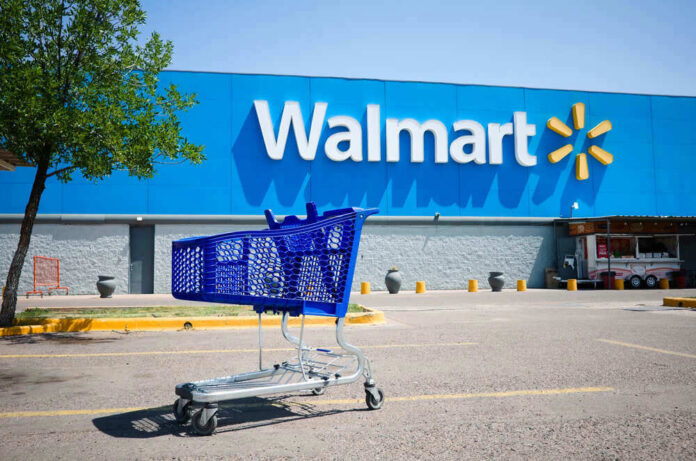
The Centers for Disease Control and Prevention and the USDA confirmed that a listeria monocytogenes outbreak has killed four Americans and hospitalized numerous others across multiple states. The contaminated products include Walmart’s Marketside Linguine with Beef Meatballs & Marinara Sauce and Trader Joe’s Cajun Style Blackened Chicken Breast Fettuccine Alfredo. Utah health officials reported at least one death in their state, with the outbreak timeline stretching from summer 2025 through September.
US issues urgent warning about Trader Joe’s, Walmart meals as listeria deaths climb to 4 people https://t.co/MrsQeJLddf pic.twitter.com/uSsgjufedP
— NY Post Business (@nypostbiz) September 29, 2025
This represents a serious escalation from earlier incidents this year when similar listeria contamination affected chicken fettuccine products at Walmart and Kroger. The bacteria’s ability to survive refrigeration temperatures makes these ready-to-eat meals particularly dangerous for vulnerable populations, including pregnant women, elderly Americans, and those with compromised immune systems.
Supply Chain Failures Expose Safety Gaps
FreshRealm, the food producer for the affected meals, traced the contamination to Nate’s Fine Foods, a third-party pasta supplier. This revelation highlights concerning gaps in our food supply chain oversight that put American families at risk. The same listeria strain appearing in products across different retailers suggests systemic failures in ingredient sourcing and quality control that federal regulators should have prevented.
What’s particularly troubling is the timeline of this outbreak. Federal agencies knew about listeria contamination in similar products during summer 2025, yet somehow allowed the same bacterial strain to contaminate additional products that reached store shelves months later. This pattern suggests either inadequate regulatory response or insufficient industry compliance with safety protocols.
Regulatory Response Falls Short of Full Protection
Despite four confirmed deaths, federal health officials have not issued a mandatory recall for all affected products. Instead, they’ve relied on retailers to remove items and issue consumer warnings voluntarily. Walmart has stopped sales and removed products from shelves, but this piecemeal approach may leave contaminated meals in consumer homes. In my opinion, when American lives are at stake, federal agencies should mandate immediate recalls rather than hoping retailers will act responsibly.
The Utah Department of Agriculture and Food issued state-level alerts on September 30, 2025, urging consumers to check refrigerators for products with specific “best by” dates in September and October 2025. However, the lack of coordinated federal action raises questions about whether our regulatory agencies are prioritizing corporate interests over public safety.
Broader Implications for Food Safety
This outbreak exposes fundamental weaknesses in how our government oversees the ready-to-eat meal industry. Previous listeria outbreaks linked to cantaloupe, ice cream, and deli meats led to promises of enhanced regulatory oversight, yet here we are again with preventable deaths from contaminated food. The reliance on third-party suppliers like Nate’s Fine Foods creates additional layers where contamination can occur without adequate government oversight.
American families deserve better than a food safety system that reacts to deaths rather than preventing them. The fact that multiple major retailers were affected by the same contamination source demonstrates how consolidation in food production can amplify risks across the entire supply chain. Common sense suggests that when federal agencies identify a dangerous bacterial strain, they should immediately trace and eliminate all potential sources rather than allowing continued contamination.