
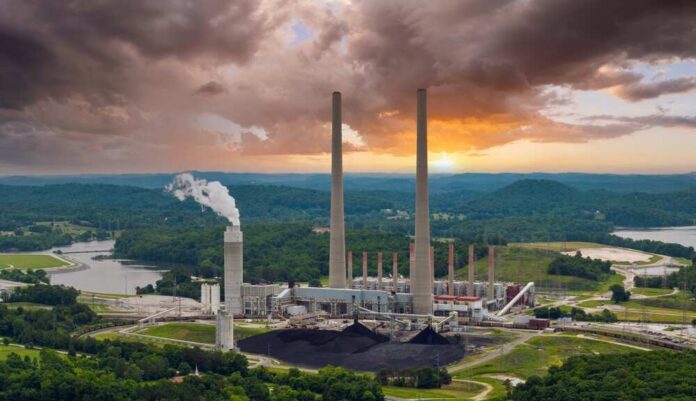
EPA scrapped national limits on power-plant climate pollution and moved to block future versions, and that resets the country’s energy and legal fight overnight.
Story Snapshot
- EPA repealed most Biden-era carbon limits for coal and gas power plants.
- EPA earlier proposed repealing all power-sector greenhouse gas standards under Clean Air Act Section 111.
- The agency cites law, costs, and grid reliability; advocates warn of health harms.
- Court tests are likely after West Virginia v. EPA narrowed EPA’s tools.
What the EPA did and why it matters now
The Environmental Protection Agency repealed most federal limits on carbon emissions from coal and natural gas power plants and signaled a broader plan to erase all remaining climate rules for the sector.
The agency announced the repeal at the Group of Twenty energy meeting and tied it to lower costs and stronger reliability for the grid. This action follows a 2025 proposal that laid out a full repeal under Clean Air Act Section 111 for both new and existing power plants.
The agency framed the repeal as a legal reset. It argued that past rules leaned on methods courts have questioned.
The Supreme Court’s West Virginia v. EPA decision narrowed the Environmental Protection Agency’s ability to push “generation shifting,” which means moving power production from coal to other sources through regulation.
The Environmental Protection Agency says it is aligning its approach with that ruling and removing mandates it views as unlawful or too costly to justify.
The legal hinge: authority after West Virginia v. EPA
The Supreme Court’s ruling told the Environmental Protection Agency to stick to measures applied at the plant, not broad grid-wide shifts, unless Congress clearly said otherwise. This makes every word in Section 111 matter. The fight now centers on what counts as the “best system” to cut emissions at individual plants.
Environmental groups say the Environmental Protection Agency still has authority to set strong standards on-site. The Environmental Protection Agency is reading the same law more narrowly and says earlier limits went too far.
Expect court challenges to test where that line sits. Petitioners will argue that scrapping limits ignores the public health and climate impacts the law was meant to address.
The Environmental Protection Agency will point to the Supreme Court’s warning against major policy shifts without clear direction from Congress.
Judges will weigh the statute, the record, and the costs. That process will shape how far any future carbon rule can reach without running into the same limits.
Cost, reliability, and the kitchen-table test
The Environmental Protection Agency’s public case leans on lower compliance costs and protection against forced plant closures, which it says helps keep electricity reliable and affordable. Many utilities still rely on coal and gas for steady power.
Removing rules could slow retirements and reduce immediate capital expenses, a point industry-aligned commenters have highlighted in the record. Supporters cast this as common sense: do not gamble with the grid in an era of rising demand and more extreme weather.
EPA moved to repeal federal carbon limits on coal and gas-fired power plants, and proposed scrapping all remaining greenhouse gas rules for the sector, saying the Clean Air Act gives it no such authority. Power is ~25% of US climate pollution. pic.twitter.com/pZEJqNniuW
— Newdle: Understand news together (@newdlenews) September 15, 2026
Opponents counter that the savings are short-lived and ignore large health and climate costs. The American Public Health Association warned that the repeal would disregard science and endanger public health.
It urged the Environmental Protection Agency to keep limits that cut harmful pollution from smokestacks. Environmental and public health advocates told reporters that removing the rules would drive billions in damages and lead to preventable deaths if finalized and left in place.
The clash of claims: what the evidence supports
The Environmental Protection Agency can point to a clear administrative record that it proposed, noticed, and then advanced repeal actions within its rulemaking powers.
It also can cite the Supreme Court’s guidance that curbs expansive approaches and demands a tighter fit with the Clean Air Act text.
That gives the agency a legal story that many judges may find credible. This is why supporters argue the repeal puts regulation back on firm footing while cutting red tape and costs.
Health groups argue from a different record: epidemiology, climate trends, and prior rule analyses that linked power-plant pollution cuts to fewer hospital visits and deaths. They say the repeal tosses out those benefits and undercounts the harms.
Reuters reported critics’ warnings of large public health and environmental damages tied to more emissions if limits vanish.
Given the strength of the court rulings, their best venue is also the courts, where they will attack the Environmental Protection Agency’s legal reasoning and cost-benefit math.
What comes next and how to read the stakes
States will decide whether to stick with their own rules or ease up. Many have laws that push cleaner power regardless of federal rules. Power companies that already planned to retire old coal units may not change course much.
But marginal plants that were on the bubble could run longer. The net effect on emissions will depend on fuel prices, demand growth from data centers and industry, and how fast new nuclear, gas, and renewable projects clear permits and connect to the grid.
The repeal passes the legal smell test after West Virginia v. EPA and may cushion prices in the near term. The prudential question is whether it goes too far by removing a backstop before replacement tools are ready.
A practical path would pair lawful, plant-based standards with faster approvals for firm power and transmission, so families get both reliable energy and cleaner air without courtroom whiplash.
Sources:
epa.gov, govinfo.gov, axios.com, eelp.law.harvard.edu, reuters.com, theguardian.com, nrdc.org