
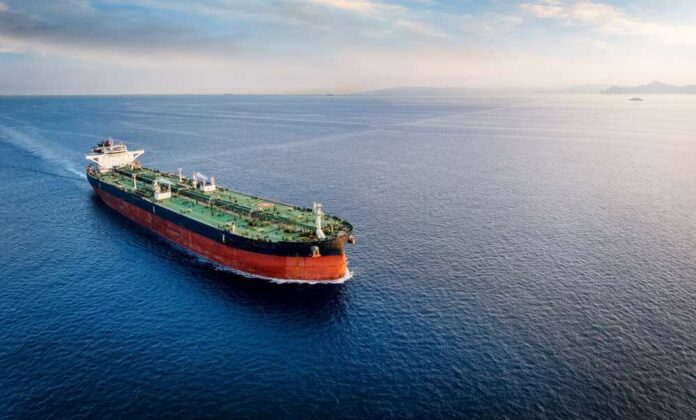
After Iran fired ballistic missiles at two U.S. Navy warships, U.S. forces hit back and disabled or destroyed multiple Iranian oil tankers in targeted strikes, then took out five more days later.
Story Snapshot
- U.S. Central Command said it struck three Iranian crude carriers after Iran targeted U.S. warships.
- Footage released by the Pentagon shows the initial tanker strikes and resulting damage.
- Additional U.S. operations days later destroyed five more Iranian-linked tankers, CENTCOM said.
- Escorts for lawful traffic through Hormuz increased as the blockade enforcement tightened.
What Triggered The Strikes And How The U.S. Responded
U.S. Central Command reported that the Islamic Revolutionary Guard Corps launched ballistic missiles at two U.S. Navy warships on September 5. The ships evaded the attack without casualties. Hours later, U.S. forces struck three Iranian crude oil carriers in regional waters.
The command described one vessel as destroyed and others as permanently disabled. The military framed the action as a direct response to protect American crews and to blunt hostile fire from Iran’s forces.
The Pentagon released video clips that show precision strikes on tankers near key choke points. Explosions and black smoke mark the hulls as the ordnance hits. The material aligns with the timeline the U.S. provided: night operations following the missile launches.
The footage underlines the message that American ships will not absorb attacks at sea and that response options now include Iran’s revenue lifelines tied to crude transport.
The Follow-On: Five More Tankers Removed From The Fight
Days after the first response, U.S. Central Command announced that its forces destroyed five more tankers linked to Iran’s network. The command named several ships and locations around the Gulf of Oman and waters near Kharg Island.
The public rationale stayed the same: deny funds and logistics to Iran’s Islamic Revolutionary Guard Corps and reduce threats to U.S. and partner vessels. The expanded action signals a campaign, not a one-off shot across the bow.
US Central Command said it destroyed five Iranian oil tankers following attempted attacks on US warships, as Secretary of State Marco Rubio vowed continued strikes. Iran then threatened ships in Kuwaiti and Bahraini ports hosting Americans https://t.co/2ydB36llKM pic.twitter.com/mYlIvsLDbV
— Reuters (@Reuters) September 9, 2026
Reuters video coverage tracked the initial three-ship strike and placed one hit off Kharg Island, a critical oil hub on Iran’s coast. That location matters. It shows the U.S. will reach into Iran’s near-abroad when American warships come under fire.
The message to Tehran is simple: fire missiles at U.S. ships, risk losing high-value assets tied to your oil exports. Deterrence rests on that clear, predictable cost.
Security Of The Strait: Escorts Up, Threats Down
U.S. escorts for legal commercial traffic surged through the Strait of Hormuz during the flare-up. Central Command reported shepherding dozens of ships carrying millions of barrels of oil. The escorts run alongside a blockade that targets vessels bound to or from Iranian ports.
This pairing protects lawful trade while tightening pressure on Iran’s sanctioned flows. It is a textbook blend of shield and sword: keep global energy moving, choke off the network funding hostile fire.
Tensions are on the rise in the Middle East after U-S strikes on three Iranian oil tankers in retaliation for missile attacks on U-S warships.
President Trump is threatening to hit Iran's heavily-fortified underground nuclear site known as Pickaxe Mountain. It's in central Iran.… pic.twitter.com/Lwf2S4LxtO— Worldwide News Network (@WorldwideNNX) September 6, 2026
From a common-sense view, the logic is sound. The U.S. did not start with broad strikes. It responded after Iran fired missiles. It then targeted the money pipeline and avoided civilian shipping not tied to the threat.
That balances strength with restraint. Critics will debate risk, but deterrence only works if the cost is real and fast. American families want fewer wars and safer seas. You get both by stopping attacks early and making repeat attempts painful for the attacker.
How The Video Fits The Record And Why It Matters
Video from the Pentagon and U.S. Central Command anchors the public record. The clips show tankers hit during the window the military described.
Major outlets carried the same core facts: three tankers struck after the missile launches at U.S. ships, with one destroyed and others disabled.
The later announcement of five more destroyed tankers extends that record into a sustained enforcement phase. The footage is not theater; it is a warning label glued to Iran’s oil gun.
Sources:
youtube.com, gulfnews.com, x.com, rferl.org