Abbott just put whole milk into a ready-to-feed infant formula and says it is safe, sterile, and priced to compete with powder.
Story Snapshot
- Abbott launched Similac 360 Total Care Made With Whole Milk as a ready-to-feed liquid.
- The company calls it the first U.S. sterile liquid infant formula made with whole milk.
- Abbott says the per-feeding price is similar to its powdered Similac 360 Total Care.
- Whole milk is a protein source in formula; it is not the same as giving plain cow’s milk.
What Abbott launched, and why it matters for parents
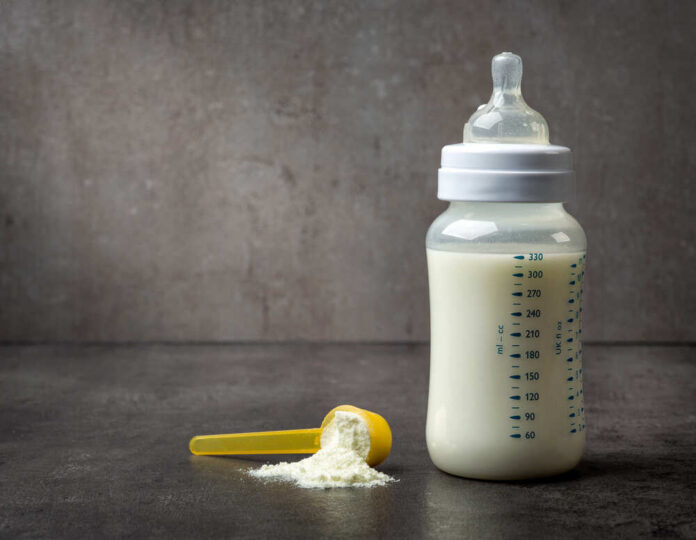
Abbott announced a new product, Similac 360 Total Care Made With Whole Milk, as a commercially sterile, ready-to-feed infant formula. The company says it is the first and only sterile liquid infant formula in the United States to use whole milk as part of its recipe.
Ready-to-feed means no mixing and a lower risk of preparation error at home. Whole milk in this context is an ingredient in a complete formula, not a stand-alone beverage for babies.
Abbott stated that the per-feeding cost will be similar to its powdered Similac 360 Total Care products, positioning the new option as a trade-off in convenience, not an upcharge. That pricing claim matters for families who choose ready-to-feed for travel, daycare, or when water quality is a concern.
The company aims to meet parents where they are on price and ease, while maintaining the full nutritional profile of an infant formula designed for birth to age one.
What “whole milk” means inside an infant formula
Whole milk brings milk fat along with milk protein. Skim milk removes the fat but keeps the protein. In infant formula, the milk source is only one part of a larger recipe. Companies still add key fats, such as linoleic acid, plus lactose or other carbs, vitamins, and minerals to meet infant needs.
Abbott’s own nutrition guidance explains that both whole and skim milk can serve as protein sources in formula; the full formula composition, not the milk alone, drives nutrition.
Parents sometimes confuse “whole milk formula” with giving plain cow’s milk in a bottle. These are not the same. Plain cow’s milk does not meet an infant’s iron and fatty acid needs when used as the only food for the first year.
By contrast, whole milk used as an ingredient in a regulated infant formula can fit within complete nutrition when the full recipe is designed for infants. The new Similac product fits into the latter camp.
Safety, sterility, and the ready-to-feed angle
Ready-to-feed liquid formulas are sterile when packaged. That removes steps like scooping and mixing with water, which can pose risks if done incorrectly at home.
Abbott highlights sterility as a core benefit of this launch and frames whole milk as a formulation choice rather than a safety compromise.
The company’s Similac 360 line also features a blend of five human milk oligosaccharide prebiotics that it has promoted in prior releases. Families who value a low-hassle, sealed, single-serve format may see this as a practical upgrade.
Abbott Laboratories will begin selling a new ready-to-feed version of its Similac infant formula Monday, marking the first time whole milk has been used in sterile liquid formula in the US https://t.co/aYNI389e7h
— Bloomberg (@business) August 31, 2026
Parents who track prices will note the pledge to keep per-feeding costs near powder prices. If retail shelves reflect that, households may pick based on convenience and baby tolerance rather than on budget alone.
That is the right direction. Competition should lower friction and help parents choose products that fit their routine without forcing a tradeoff between safety and cost.
Context after the 2022 formula crisis
Abbott’s move lands in a market still shaped by the 2022 formula shortage and the court-approved consent decree that set controls for Abbott’s production and sanitation steps. Government records describe the decree and the conditions to resume operations after that disruption.
Parents remember empty shelves. Retailers remember strained supply chains. A stable, sterile, competitively priced, ready-to-feed option can help rebuild routine buying patterns if supply remains steady.
The launch also aligns with a broader push by companies to tweak formulas and formats to win back trust and shelf space. That includes adding prebiotic blends, adjusting protein sources, and offering more liquid choices.
Abbott’s claim of being first with a sterile, whole-milk liquid formula fits that pattern of incremental change that aims to feel meaningful at home while meeting regulatory standards. The practical question for families is simple: does my baby take it well, and can I find it at my store?
How to decide if this formula is right for your baby
Check your pediatrician’s guidance first, especially for infants with allergies, reflux, or growth concerns. Confirm the product label fits your baby’s age and any medical needs.
If you switch from powder to ready-to-feed, note that taste and texture can differ, and babies notice. Introduce changes with a small trial to watch tolerance.
Store and handle ready-to-feed bottles as directed on the label. Use clean hands and nipples, and discard any leftover milk after each feed to maintain safety.
Parents who value fewer prep steps and who want a sterile option may appreciate this product. Those who prefer powder for cost or storage may stick with their routine.
Abbott’s promise to match per-feeding cost with powder aims to narrow that gap. If stores follow through on pricing and supply, this launch could give families more freedom to choose the format that best fits their daily lives without stretching their budgets.
Sources:
abcnews.com, news.bloomberglaw.com, nutritionnews.abbott, prnewswire.com, marketbeat.com, abcnews.go.com