President Trump ordered the federal government to call Lake Ontario “Lake America,” and the clock is already ticking on the paperwork.
Story Snapshot
- Trump signed a presidential action directing federal usage of “Lake America.”
- The order tells Interior to update official records and maps within 30 days.
- The change binds U.S. federal references; Canada is not required to adopt it.
- Canadian leaders and tribal voices pushed back, vowing to keep “Lake Ontario.”
What the order does, and how it takes effect
The White House published a presidential action on August 27, 2026. It directs the Secretary of the Interior to update federal names to “Lake America” and instructs agencies to use the new name in contracts, maps, and communications.
The order cites the government’s naming law and assigns the Board on Geographic Names to update the federal database. It sets a 30-day timeline to start the switch in official systems and products. That is a clear administrative path.
Trump said the change is effective immediately for the United States government. Major outlets reported his remarks as he signed the order. The reports align with the action’s text, which directs agencies to move quickly. That does not mean instant map swaps everywhere on day one.
It means agencies must start using the new name and push updates across forms, sites, and datasets in the coming weeks. That is how federal naming shifts typically roll out.
Where the line stops: international and local usage
The order governs federal usage inside the United States. It does not control what Canada or international bodies refer to as the lake. Reuters underlined this limit in plain terms. That boundary matters.
The lake is a shared body of water that borders New York and the Province of Ontario. Canada’s prime minister and Ontario’s premier both said they will keep using “Lake Ontario.” The policy, then, changes how Washington labels the lake, not how Ottawa or Toronto do.
That split will create a two-name reality for a while. Federal maps and websites in the United States will begin showing “Lake America.” Canadian sources will keep “Lake Ontario.” Cross-border agencies and joint commissions will have to make their own choices based on their own rules. This is not unusual.
Government naming standards often diverge across borders. The United States has a formal process for naming federal products, but it does not compel foreign governments to follow suit.
Why the administration says the change matters
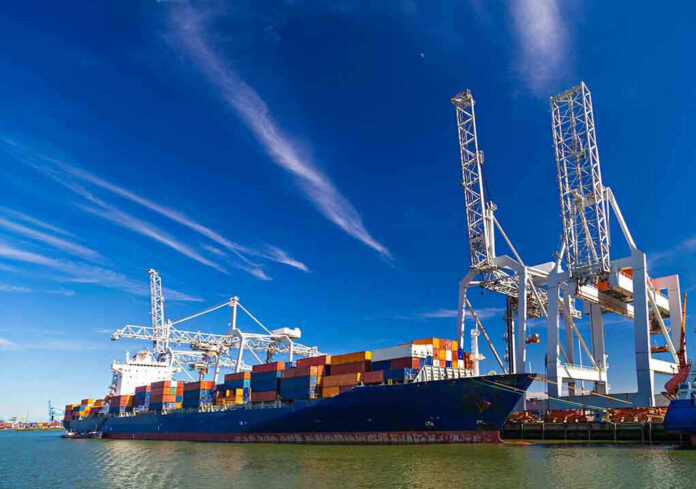
The presidential action frames the rename as a salute to the lake’s role in the American economy. It calls the lake a “flourishing economic resource” and ties the move to national interest. That mirrors how past administrations used place names to send signals without new spending or regulation.
A name on a map is cheap ink with a loud echo. It rallies supporters, sets a tone in a trade fight, and tells agencies to speak with one voice in public products and contracts.
Seneca Nation calls for reversal of Trump’s ‘Lake America’ executive order https://t.co/0aTQz0il9V
— Talley 🇺🇸🇺🇸🇺🇸 (@LiberalLab) August 31, 2026
That can shape how federal partners, including shippers and contractors, refer to the region. It does not raise a tariff or open a plant. But it plants a flag, literally, in the way Washington talks about a strategic waterway.
Pushback from Canada and tribal leaders
Canada’s leaders cast the change as theater and pledged to ignore it. Prime Minister Mark Carney said the lake will continue to be called Lake Ontario, noting the name’s age and historical weight.
Ontario Premier Doug Ford went further, unveiling a “Lake Ontario. Now and Always” sign on the shore and comparing the moment to a comedy sketch. Those quotes make clear the political frame to the north: resist the rename, deny it legitimacy, and stick to tradition.
Tribal voices also objected. Media reports show leaders from the Seneca Nation saying the rename disregards Indigenous history and treaty-era ties. They want consultation and respect for names that predate both countries. That claim speaks to process as much as substance.
The presidential action cites federal naming law and the Board on Geographic Names. It does not show public consultation steps in the announcement itself. Expect that thread to continue in courts or Congress.
What to watch next in the bureaucracy
The Department of the Interior must file the change with the Board on Geographic Names and update the federal database. Agencies like the United States Geological Survey and the Army Corps of Engineers will then ripple the new name through charts, datasets, and public sites.
The order set a 30-day action window. The speed and completeness of those updates will determine how “Lake America” appears in everyday federal products, from weather briefings to port permits.
Two outcome tests will matter. First, does the federal database get updated on schedule, and do core maps adopt the name in their next cycles? Second, do cross-border and joint U.S.–Canada products stick with “Lake Ontario,” or do any mirror the U.S. term?
The first test is squarely in Washington’s hands. The second will be shaped by diplomacy and habit. For now, expect dual names to live side by side, with U.S. federal usage driving one lane and Canada driving the other.
Sources:
apnews.com, reuters.com, whitehouse.gov, cnbc.com, wsj.com