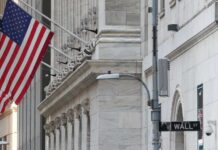

The stock market is partying like it is 1999 while Main Street quietly cancels dinner plans, road trips, and big-ticket buys.
Story Snapshot
- Two out of three Americans say they are cutting back on spending because prices keep rising, even as major stock indexes hit record highs.
- Rising gas and food costs are erasing paycheck gains and shrinking real purchasing power for ordinary households.
- Consumer surveys show a split-screen economy: upbeat financial markets, but households that feel cornered by everyday expenses.
- Conservatives see an affordability crisis driven by policy choices, not a lack of market strength or corporate profits.
Stock records on Wall Street, sticker shock on Main Street
News headlines celebrate record highs for the major stock indexes, yet consumer surveys tell a stubbornly different story: two-thirds of Americans say they are cutting back on spending because prices will not quit climbing.[4][4]
The same research from the Conference Board reports that two-thirds of consumers cite cutting back overall due to rising prices, even as stocks hover near or at all-time highs.[4] That split captures today’s economy better than any White House talking point.
Soaring gas and food costs have worsened inflation, which is outpacing average pay growth, reducing most Americans’ purchasing power. That is not abstract data; it is the grocery aisle, the gas pump, and the utility bill.
When essential categories eat a bigger slice of the paycheck, something else must give. Consumers report “buying fewer items” and delaying nonessential purchases because the basics now demand a premium.[1][3] Wall Street may love asset inflation; families do not.
What the surveys really say about “cutting back”
The Conference Board’s consumer confidence report asked directly whether people were cutting spending due to inflation; about two-thirds said yes and described how: driving less, trimming household expenses, trading down in brands, and postponing bigger buys.[4]
Another national study found that roughly 44 percent of Americans are driving less and 42 percent have cut household expenses specifically due to high gas prices. These are deliberate lifestyle adjustments, not casual complaints about prices.
U.S. consumer confidence slipped in May as war-driven inflation weighed on Americans: Two-thirds of Americans say they are cutting back on spending as gas prices and food costs stay elevated https://t.co/V99GPaDDao
— Quartz (@qz) May 26, 2026
Media coverage sometimes blurs an important distinction: what people say in surveys versus what aggregate government data later records for actual spending.
Analysts have seen plenty of examples where consumers swear they will pull back during the holidays, then sales reports still come in strong.
That does not mean the surveys are meaningless. It means households are fighting to maintain their lifestyles by tapping savings, credit cards, or side gigs—choices that might not be sustainable if prices keep stretching paychecks thinner.
Why record markets are not rescuing household budgets
Many commentators assume a booming stock market should automatically translate into free-spending consumers. Reality is less convenient. Stock ownership is heavily concentrated; a minority of households hold most of the equities, and even those holdings often sit in retirement accounts not touched for years. Meanwhile, gas, rent, and groceries demand cash now.
Market commentators themselves admit that stocks can climb on strong corporate earnings and tech gains, even as ordinary Americans feel pinched by inflation and higher everyday costs.
The gap between asset inflation and paycheck reality matters for policy and politics. When Washington points to new stock records as proof that “the economy is great,” families juggling car payments and higher insurance premiums hear denial, not reassurance.
American values stress that a healthy economy means a strong middle class, not just rising portfolio values for institutional investors. If a majority of households are cutting back, that is a red flag, regardless of what the Dow does on any given afternoon.
The affordability crisis and the political blame game
Several polls now use the phrase “affordability crisis” to describe how households view their finances. People report scaling back entertainment, restaurant visits, and discretionary shopping because gas and food prices have taken the first claim on their income.
Another survey found that a growing share of Americans say they are cutting back on purchases and explicitly blame renewed inflation on political leadership in Washington. Voters may not parse the Federal Reserve balance sheet, but they know who was in charge when prices jumped.
From this standpoint, these responses look predictable. Aggressive government spending, extended emergency policies, and a tolerance for higher inflation led to a cost-of-living spike that wage growth could not keep pace with.
The result is a bruised middle class, forced into “belt-tightening” even while financial markets celebrate cheap money and strong corporate profits. Surveys that show two out of three Americans cutting back on spending do not signal irrational fear; they signal households exercising the prudence that policymakers should have practiced first.[4]
Sources:
[1] Web – As US stock market hits new highs, 2 of 3 Americans are cutting back …
[3] YouTube – 30% of Americans are cutting back on spending: Survey
[4] Web – Consumer confidence steady, but Americans say they’re cutting …