Tony Romo’s quiet drive home through Milwaukee turned into a flashing-red warning about fame, judgment, and one very public first brush with the law.
Story Snapshot
- Milwaukee County deputies stopped and arrested Tony Romo on suspicion of operating while intoxicated on Interstate 43.
- Reports say he performed poorly on field sobriety tests, was booked, then released with a September 21 court date.
- The case is labeled a first-offense operating while intoxicated, which in Wisconsin usually means fines, not jail.
- The story exposes how quickly a single police report can reshape a celebrity’s career narrative and reputation.
What Happened On That Bridge In Milwaukee
Milwaukee County Sheriff’s Office records say deputies stopped former Dallas Cowboys quarterback and current lead National Football League on CBS analyst Tony Romo while he drove south on Interstate 43 near downtown Milwaukee on the evening of July 23, 2026.
The arrest report, as described by several outlets, says he performed poorly on standardized field sobriety tests after the stop. Deputies then took him into custody on suspicion of operating while intoxicated, Wisconsin’s term for driving under the influence.
Tony Romo arrested in Milwaukee on suspicion of operating under the influence | Click on the image to read the full story https://t.co/keHVSaUYdS
— koconews (@koconews) July 25, 2026
Local and national outlets tell roughly the same core story. A station in Milwaukee reports he was stopped around 6 p.m. while heading southbound on Interstate 43 and “performed poorly” on standard field sobriety tests before the arrest.
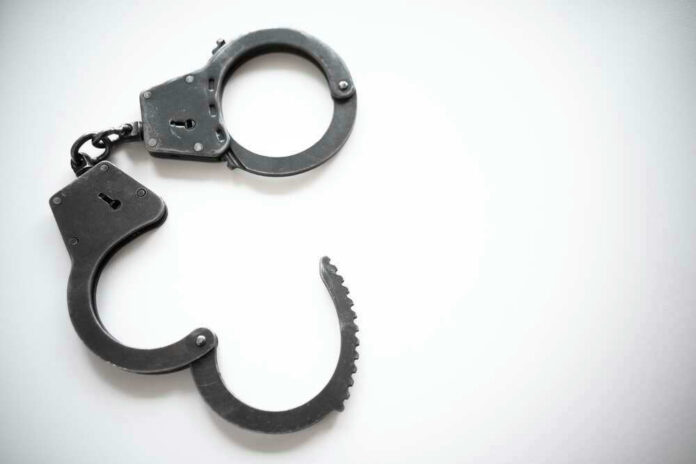
Other coverage places the stop closer to 8 p.m., but all agree it happened that Thursday evening, on the same stretch of highway, and ended with Romo in handcuffs and headed to the Milwaukee County Jail for booking.
From Golf Trip To Jail Booking
Romo was not in Wisconsin for football. Reports link his visit to a golf trip and the Wisconsin State Amateur golf championship near his hometown of Burlington. After the stop on Interstate 43, deputies booked him on a first-offense operating while intoxicated charge.
He was processed, listed in custody records, and then released that night. The sheriff’s office scheduled him for a September 21 court appearance, with some reports noting a specific time of 8:30 a.m., a detail that signals a real case file sitting in county systems.
For many readers, the shock is less about the legal label and more about the face attached to it. Romo is a four-time Pro Bowl quarterback and the number-one voice for National Football League games on CBS.
His reputation rested on preparation, vision, and sharp judgment on live television. A public arrest for suspected drunk driving cuts directly against that image. Yet, as the coverage quietly admits, these are still allegations tied to an arrest report, not a conviction or a completed court case.
The Narrow Facts And The Loud Noise
The evidence in public view is narrow. Newsrooms work off one main arrest-detention report: a traffic stop on Interstate 43, poor performance on sobriety tests, a first-offense operating while intoxicated notation, booking and release, and a court date.
None of the major reports publish a breath-test result or blood test showing a specific alcohol level. None show the full narrative of the stop, such as how the deputy first spotted the vehicle or detailed step-by-step scoring of each sobriety exercise.
Tony Romo withdraws from next golf tournament after DUI arrest https://t.co/wB6KaR1iL3 pic.twitter.com/J3kcVm1aLf
— New York Post (@nypost) July 26, 2026
That gap is where speculation loves to live. Social video and commentary rush in with talk of Romo’s “life falling apart,” guesses about his alcohol use, and dramatic predictions about his career. Much of that material blends confirmed facts with opinion.
Those who value due process and clear evidence tend to push back at this point. An arrest on suspicion of operating while intoxicated is serious, but it is not proof of guilt. The court date exists to answer that question, not a YouTube thumbnail or a click-hungry headline.
Wisconsin Law, Consequences, And Common Sense
Wisconsin’s framework adds another twist. First-offense operating while intoxicated is usually treated as a civil infraction, not a criminal offense, with typical fines between $150 and $300 plus fees. That does not mean the conduct is minor. It means the state sees a difference between a first mistake and repeat drunk driving.
For someone in Romo’s position, the real penalty may not be the fine at all, but damage to trust with viewers, sponsors, and bosses who expect better judgment from a national face of the game.
Common-sense puts responsibility at the center of this story. If the evidence later shows Romo drove impaired, then the arrest records will match a real failure to protect others on the road. If the state’s case turns out weaker than early headlines suggest, that also matters.
That is why the missing pieces are important: chemical test results, complete dash camera footage, and a finished court record. Those answer key questions that social media cannot—and they deserve more weight than any hot take.
Why This One Arrest Got So Big, So Fast
This case fits a broader pattern in modern media. Police records surface, local reporters post a straightforward story, and syndication spreads the same few facts nationwide in hours. Each outlet repeats the same report, which can create the illusion of deep verification when there is really one document echoed many times.
Add commentary channels, and the narrative inflates from “arrest on suspicion of operating while intoxicated” to sweeping claims about character, career, and even family life.
Readers over forty have seen this movie before. The lesson is the same as it was with other fast-moving celebrity arrests: stay locked on the hard facts, not the noise.
Here, that means a stop on Interstate 43, poor field sobriety performance, booking and release, a first-offense operating while intoxicated tag, and a future day in court. Everything beyond that sits in a gray zone until more evidence surfaces. That patience is not soft on wrongdoing; it is strict about proof.
Sources:
abcnews.com, nytimes.com, nypost.com, mensjournal.com, yardbarker.com, dailywire.com, cbsnews.com