
Amazon’s Ring just put a flying camera in your living room and a robot guard on your shop floor.
Story Snapshot
- Ring launched a robotics division with two mobile security devices: a drone and a rover.
- Drone Cam patrols homes indoors; Rover Cam targets businesses with autonomous patrols.
- Rover Cam ships in the United States on December 16, 2026, for $999.99; Drone Cam lists at $249.99 with January 27, 2027 timing reported by outlets.
- Both devices use Ring’s AI Pilot system for mapping and obstacle avoidance, not just remote control.
Ring Robotics makes mobility the new security baseline.
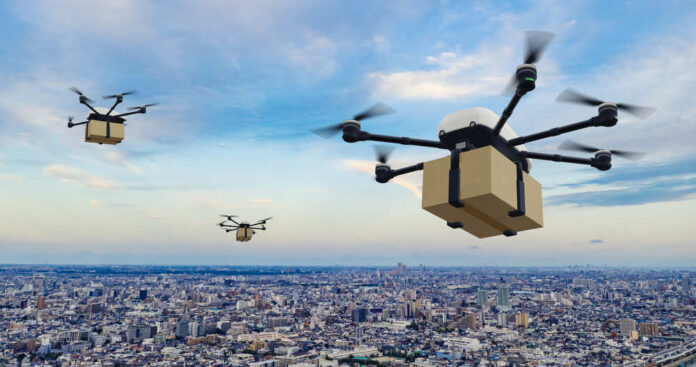
Ring announced a new unit called Ring Robotics and named two launch products: Ring Drone Cam and Ring Rover Cam. The plan is simple and bold. Stationary lenses miss what mobile scouts can see. The Drone Cam is a flying indoor camera for homes. The Rover Cam is a wheeled patrol robot aimed at businesses and warehouses. This move expands Ring from fixed doorbells and cams into roaming coverage across rooms, aisles, and blind spots.
Ring’s official product page frames the Drone Cam as an indoor flyer that moves room to room on preset routes. It can create custom viewpoints and return to a dock that covers the lens when not in use. That dock state is pitched as a privacy guard. The company positions the drone not as a toy, but as a practical patrol unit that checks alerts and gives live video where a wall camera cannot reach.
Rover Cam targets businesses with autonomy and 4K video.o
Amazon describes the Rover Cam as a purpose-built patrol robot for business sites. The rover navigates halls and storage areas, responds to motion or alarms, and streams high-resolution video up to 4K. The company states United States shipping starts December 16, 2026, at $999.99. That price aims to undercut the cost of adding multiple fixed cameras to cover the same area or staffing extra overnight rounds.
Independent outlets add that Drone Cam is slated to cost $249.99, with availability reported for January 27, 2027. Coverage from multiple sources on launch day confirms the same core details: an indoor flying camera for homes, an autonomous rover for businesses, and a formal launch of Ring Robotics as the umbrella for both devices.
AI Pilot maps spaces and routes around clutter.
GeekWire reports that both devices use Ring’s AI Pilot navigation. The system maps your layout, suggests inspection points, and routes around obstacles such as furniture, shelving, and boxes. That means the pitch here is not remote piloting by phone. The selling point is set-and-forget patrols that trigger on events, check specific locations, and return to base without getting stuck on chair legs or pallet wrap—at least as the company describes it.
Major outlets including Reuters and CNBC covered the launch the same day, reinforcing that this is a coordinated, concrete product push by Amazon’s security brand. The message lands squarely in the mainstream: mobile cameras extend reach, raise deterrence, and let one person see more with fewer devices. The focus stays split by market, with the drone for homes and the rover for business needs.
What buyers should weigh before tapping “Preorder”
The facts show dates, prices, and feature claims. The facts do not yet show long-run field results. The products were announced with future ship dates, which means real-world reliability, battery life under stress, and durability in busy stores or tight living rooms remain to be seen. That caveat aside, the value case is clear: mobile coverage for gaps you cannot wire, fast checks on alerts, and video when it matters, not hours of empty hallway footage.
🚨 SECURITY CAMERAS THAT FLY AND WALK.
Amazon just introduced Ring Robotics:
🚁 Ring Drone Cam — a $249.99 flying security camera for homes.
🤖 Ring Rover Cam — a $999.99 autonomous patrol robot for businesses.Both powered by AI that maps spaces, plans routes and navigates… pic.twitter.com/goHZW1eRcO
— CTO ROBOTICS Media (@ctorobotics) November 10, 2026
Practical questions define the next phase. Homeowners will ask how loud the drone sounds, how long flights last, and how well the docked camera stays private. Store managers will ask how the rover handles narrow aisles, changing displays, and overnight cleaning crews. Conservative common sense says judge by performance and control. If the devices lower theft or speed up response without adding hassle, the case writes itself. If not, fixed cameras remain the workhorse.
Sources:
washingtontimes.com, ring.com, aboutamazon.com, androidauthority.com, rmb.reuters.com, wired.com