President Trump said he wants to “get Cuba done” before leaving office and would consider using military force.
Story Snapshot
- Trump set a goal to “get Cuba done” before his term ends.
- He said he would consider a short military operation if needed.
- He framed the aim around helping Cubans and Cuban-Americans.
- He pointed to Secretary of State Marco Rubio as key on Cuba policy.
What Trump Said And Where He Said It
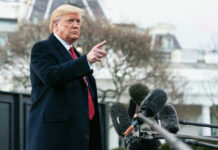
President Trump told radio host Hugh Hewitt in a November 2026 interview that he wants to “get Cuba done” before he leaves office. He linked the goal to support for people who fled Cuba and built lives in the United States. Major outlets reported the exchange on the same day. The coverage centered on the timing and the phrase itself, which set a clear target on Cuba policy before the end of his term.
PRESIDENT TRUMP: I want to get Cuba done before I leave, yeah. We have a very good, talented guy for Cuba named Marco. pic.twitter.com/BLJILtcsAl
— Department of State (@StateDept) November 12, 2026
Hewitt pressed Trump on what tools he would accept, including a short campaign using American military force. Trump answered that he would “certainly consider that.” The language did not name a start date, target list, or force package. It did mark a willingness to use hard power as one option on the table. That answer created a sharp headline and raised the stakes for how allies and rivals read U.S. intent.
The Humanitarian Frame And The Political Map
Trump tied his stance to a humanitarian case. He spoke of Cubans who suffered under the communist system and then came to America. That logic aligns with a long thread in American politics that sees Cuba through freedom, faith, and family stories. It also matches the views of many Cuban-Americans who favor maximum pressure on Havana. Supporters will see moral clarity here; critics will warn that good intent does not guarantee good outcomes.
Trump also put Secretary of State Marco Rubio in the frame. He said Rubio “would love to do it,” pointing to Rubio’s Cuban roots and long record on the issue. Politico’s account underscored Rubio as a key player if policy moved fast. The remarks did not include a direct quote from Rubio endorsing force. They did sketch a team-of-two image that signals to Havana, Miami, and Congress where the center of gravity might sit.
Power, Process, And The Line Between Words And War
Public threats and firm talk can serve several purposes in foreign policy. They can test reactions, build leverage, and rally domestic support without locking in an operation. Research on crisis bargaining shows leaders pay a higher cost for backing down when threats are very specific. Trump’s words increased perceived risk, but they stopped short of the concrete signs of imminent action, like deployments, legal findings, or formal orders.
One sentence matters for legal and military process. Trump said he would “consider” a short use of force. That shows intent and a red line, not a signed plan. News reports did not cite a War Powers Resolution notice, a directive, or a Pentagon order. That difference matters. It keeps space for diplomacy, sanctions, covert support to civil society, or information operations short of war, while preserving a threat if Havana crosses a line.
Why The Clock, And What Comes Next
The time box—“before I leave”—creates pressure. It signals urgency to the Cuban regime and to U.S. agencies that policy energy is high now, not later. It also raises a domestic test: can the administration convert a broad aim into steps that fit law, strategy, and allied support. Conservative common sense asks two things at once: hold tyrants to account, and define a path that avoids open-ended entanglement. A short, clear plan beats a vague, long one every time.
Sources:
cnbc.com, nbcnews.com, politico.com, ny1.com, independent.co.uk