
The Children’s Place filed for Chapter 11 and put itself on the clock to sell almost everything by year-end.
Story Snapshot
- The Children’s Place filed for Chapter 11 in New Jersey and will seek a fast sale.
- The company asked bidders to submit offers by December 9, aiming to close in December.
- Reported assets are about $742 million against $881 million in debt.
- Stores and online remain open for now, but closures and layoffs are underway
Chapter 11 filing sets a sale race with a December finish line.
The Children’s Place said it voluntarily filed for Chapter 11 protection on November 8 in the United States Bankruptcy Court for the District of New Jersey. The company plans to sell substantially all assets under Section 363 of the Bankruptcy Code and asked bidders to submit offers by December 9, aiming to close a court-supervised sale by the end of December. The company said it remains in talks with several parties to keep the business operating as a going concern.
Reuters reported that the retailer and 13 affiliates sought protection in Newark court on November 9, aligning with the company’s disclosure of a November 8 petition date. The outlet framed the case around losses, lower sales, and the need to market the business quickly. That timeline helps explain the tight bid window and the company’s push to lock in a buyer before holiday momentum fades and cash runs tighter.
Balance sheet math and what it signals to bidders
CNBC reported about $742 million in assets and $881 million in debts at filing, a gap that points to a capital shortfall and the need for new money or a sale that resets obligations. Those figures also suggest secured lenders will shape the process terms, financing, and timing. A buyer will weigh lease liabilities, inventory quality, and the brand’s digital reach when sizing offers. The goal is a clean handoff that preserves brand value and avoids a slow drift toward liquidation.
The company’s own statement emphasized ongoing operations during the sale push to keep customer trust and vendor support intact. That matters because a going-concern sale usually draws better bids than a piecemeal breakup. The company said it is speaking with multiple parties about deals that could let it keep operating and protect the brands. That pitch makes sense: stable stores, live websites, and fulfilled orders tend to boost what buyers will pay.
Stores open now, but footprint trims are already underway.
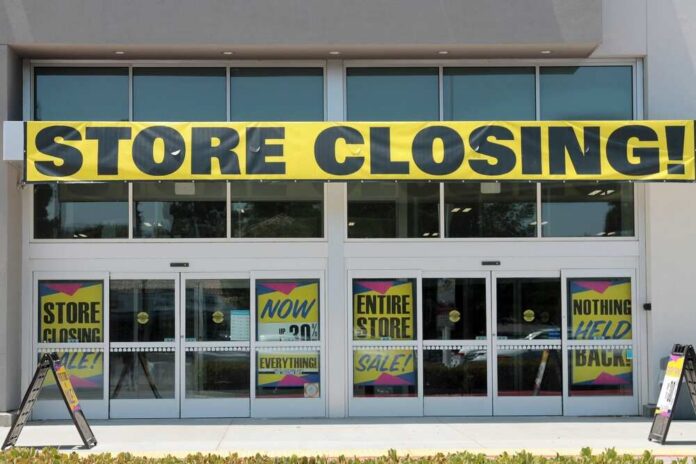
The Children’s Place said stores and e-commerce remain open for now, but the near-term picture includes closures and potential layoffs. NorthJersey.com reported 24 affected New Jersey stores and 732 employees at risk, with a Worker Adjustment and Retraining Notification filing signaling February 4, 2027, as an effective date. That shows the plan to keep selling while rationalizing the network, a common step in retail turnarounds where weak leases and slow stores drain cash.
The Charlotte Observer also reported that the filing was placed in New Jersey and matched the petition’s asset and debt figures. Local and regional reports often capture the human side of the ledger: store lists, headcount, and landlord talks. Those details matter because bidders price the future, not the past, and a trimmed lease map with stronger locations usually beats an oversized chain that cannot cover rent and payroll through the cycle.
How this fits the retail playbook and what to watch next
The playbook here is clear: stabilize under court protection, fund operations, run a fast marketing process, and pick the best bid that keeps the brand alive. Specialty retail has seen this movie with children’s and family chains before. The winners pair a leaner store base with better digital execution and fewer promotions. The losers sit on stale inventory, cling to old mall traffic, and wait too long for a perfect bid that never comes.
For shoppers and employees, watch four markers. First, the court’s approval of bidding procedures and any milestones that lock in the December 9 bid date. Second, the presence of a stalking-horse buyer, which can set a price floor and terms that others must beat. Third, the size and terms of the debtor-in-possession loan, which funds payroll and inventory through the sale. Fourth, lease decisions, because rejected leases point to the final store map after closing.
What common sense says about the road ahead
Common sense says speed and clarity help everyone here. Families want to know if gift cards and orders are honored. Employees want a steady schedule. Vendors want to ship without fearing a clawback. Landlords want a yes-or-no on leases before the new year. A clean, fast sale with firm financing and a realistic store plan can meet those tests. The company’s own message aims there, and the numbers back the need for a quick, steady hand.
One caveat applies: the company asked for a December 9 bid deadline and aims to close by year-end, but the court must approve the process, and a completed sale is not yet guaranteed. If a serious buyer steps up with funds and a plan, this brand can keep serving parents who want value without drama. If not, the math will make the choices for them, and the map of children’s apparel will shrink again.
Sources:
cnbc.com, reuters.com, northjersey.com, charlotteobserver.com, sec.gov