A routine test caught a danger your eyes can’t see, and it was sitting in Walmart’s deli case.
Story Snapshot
- Kettle Cuisine recalled Marketside Tomato Bisque Soup Kits after a presumptive positive test for Listeria monocytogenes.
- The 14-ounce kits were sold exclusively at Walmart stores across many states.
- No confirmed illnesses have been reported at the time of the recall.
- Federal guidance treats Listeria as zero-tolerance in ready-to-eat foods.
What Triggered The Recall And Who Is Affected
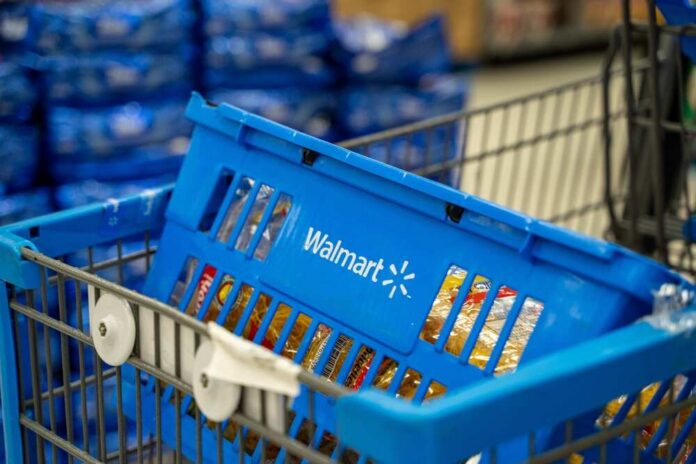
Kettle Cuisine LLC announced a recall of its Marketside Tomato Bisque Soup Kit, 14 ounces, after routine internal testing flagged a presumptive positive for Listeria monocytogenes. The product was sold only at Walmart. The company said it is working with the Food and Drug Administration on the action.
Reports noted distribution across dozens of states and thousands of units, which means many shoppers could still have a kit in the fridge. The company said it has received no confirmed reports of illness to date.
Listeria monocytogenes is a serious pathogen that can cause severe illness, especially in older adults, people with weak immune systems, and pregnant women and their newborns.
The Food and Drug Administration treats Listeria as a zero-tolerance organism in ready-to-eat foods because even small amounts can grow at refrigerator temperatures.
That policy pushes companies to act fast on any signal, even a presumptive positive. That is not alarmism; that is the playbook that prevents tragedy when the stakes include hospitalization and death.
Why A “Presumptive Positive” Leads To A Full Recall
Food makers recall products on presumptive positives because time is the enemy in cold, wet plants where Listeria can hide in drains and equipment crevices.
Researchers have found Listeria drives a large share of United States food recalls over long periods, reflecting how often it appears in ready-to-eat environments.
Many Listeria recalls are precautionary, and that is by design: the downside of moving fast is logistics and cost, while the downside of delay can be life-changing illness. That tradeoff is simple math when safety is the mission.
Shoppers often ask why companies alert the public before they have proof of widespread harm. The answer lies in the biology. Listeria can grow slowly in cold foods and may not make someone sick right away.
A test that hints at its presence is enough to remove risk before it spreads. That protects families, keeps trust in the food chain, and reflects a common-sense standard most Americans expect: fix the problem first, sort root cause next.
What To Do If You Bought The Soup Kit
Do not eat the Marketside Tomato Bisque Soup Kit if you still have it. Check your refrigerator and any secondary fridge. Throw the product away in a sealed bag or return it to Walmart for a refund. Clean the shelf or bin where it sat.
Wash hands, utensils, and surfaces with hot, soapy water. People with higher risk, such as pregnant women, older adults, and those with weak immune systems, should be extra careful and call a healthcare provider if they have symptoms like fever, muscle aches, or stomach upset.
🚨 RECALL ALERT: Kettle Cuisine is recalling Marketside Tomato Bisque Soup Kits (14 oz), sold exclusively at Walmart, due to potential Listeria contamination. ⚠️ Do not consume. Discard or return to Walmart for a full refund.
Details: https://t.co/Wq3KuYnVCw pic.twitter.com/jrRTqazKsh
— VDACS (@VaAgriculture) August 17, 2026
Companies that act quickly on presumptive positives do the right thing for customers and their own reputations. That approach aligns with responsibility, transparency, and prevention over crisis.
Kettle Cuisine’s notice and cooperation with the Food and Drug Administration match that standard. The faster companies share facts, the sooner families can take action. That is how a complex food system maintains trust—by treating vigilance as a duty, not a public relations exercise.
How Recalls Like This Keep The Food System Safer
Food safety is a chain. Processors test and clean. Retailers handle and label. Shoppers heat, store, and serve. A break at any link can put people at risk. Listeria demands special respect because it can live in cold rooms and form films that resist ordinary cleaning.
Zero tolerance in ready-to-eat foods protects the most vulnerable and sets a clear target for industry. Long-run recall data confirm that Listeria is a top driver of action, which is why vigilance is nonnegotiable.
Expect more recalls that start with small test signals. That is not a sign the system is failing. It is proof the alarms work.
When companies like Kettle Cuisine pull products quickly, consumers win twice: they avoid risk today, and they benefit from cleaner plants tomorrow as root causes get fixed. That is how you want the play to run. Quick whistle. Ball back in play. No drama on the scoreboard.
Sources:
foxbusiness.com, fda.gov, marketscreener.com, yahoo.com