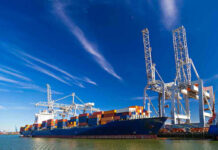

Six people died in the Red Sea this week after Houthi missiles slammed into a cargo ship, then struck the rescuers sent to save survivors.
Story Snapshot
- Yemen’s coast guard says a double-strike on the cargo vessel Tihamah killed six and wounded ten in the Bab el-Mandeb Strait.
- Victims include four crew members and two government-allied rescue fighters, marking the first deadly Houthi shipping attack in over a year.
- Houthi-run media claims the ship carried Saudi military equipment, a justification Yemen’s government rejects.
- The United States struck a separate container ship as regional tensions over Red Sea shipping lanes escalate further.
A Double Strike Turns Rescue Into Second Target
Yemen’s internationally recognized government says Houthi forces hit the Egyptian-owned cargo ship Tihamah with ballistic missiles, then fired again once rescue crews arrived.
The second hit killed responders trying to pull survivors from the water, a tactic often called a double-tap strike. That detail turns a shipping attack into something harder to defend on legal grounds.
Yemen’s coast guard says the dead included four crew members and two fighters from the government-allied National Resistance Forces, who had rushed toward the burning vessel. Ten more people were wounded. Eleven Pakistani and Indonesian sailors survived and were rescued from the water, according to Yemeni officials.
6 Killed, 10 Injured In Suspected Houthi Attack On Cargo Ship Near Bab el-Mandeb
Read Full News Here 👉 https://t.co/b12IkGk0Pd#MarineInsight #Merchantnavy #Merchantmarine #MerchantnavyShips #BabElMandeb #news #cargoship #maritime #houthis pic.twitter.com/LtKneTghCR
— MarineInsight (@MarineInsight) August 12, 2026
The British-run UK Maritime Trade Operations center said it had been alerted to a vessel under attack off Yemen’s coast, a routine but telling sign of how closely commercial shipping now tracks these waters. The strait sits at one of the busiest maritime chokepoints on earth, funneling ships between the Red Sea and the Gulf of Aden.
First Deaths In A Year Signal A Dangerous Shift
British Broadcasting Corporation reporting calls this the first deadly Houthi shipping attack since the group’s intensified campaign began, a break from a year-long lull in fatal strikes.
That gap had let shippers cautiously return to the corridor. This attack threatens to reverse that, pushing insurance costs and shipping delays back up almost overnight.
Houthi-run news agency Saba described the target differently, claiming its fighters struck a Saudi ship hauling military equipment through Bab el-Mandeb. Yemen’s government disputes that characterization entirely, insisting the Tihamah was a commercial vessel carrying food supplies, not war materiel.
Both claims cannot be fully verified from public reporting alone, but the label matters. A ship framed as military cargo gives Houthi forces a wartime justification. A ship framed as civilian cargo makes the same strike look like an attack on ordinary trade and the sailors who move it.
Washington Responds With A Strike Of Its Own
American forces struck a separate container ship as the broader Red Sea conflict widened, adding a new flashpoint to an already volatile stretch of water.
The exact justification, cargo, or rules of engagement behind that strike have not been detailed, and no military statement laying out the legal basis has surfaced. That gap is worth noting, though it does not undercut the confirmed facts of the Houthi attack itself.
Four crew killed in the first fatal Houthi shipping attack of the current conflict.
The Egyptian-owned cargo ship Tihamah was struck in the Bab el-Mandeb while at anchor northeast of Perim Island. Three Pakistani and one Indonesian crew member were killed. The vessel had… https://t.co/gdBhq2DPCd
— The Red Sea Monitor (@redseamonitor) August 12, 2026
This is not the first time Washington has weighed in on Houthi maritime attacks. United States Central Command previously confirmed Houthi missiles targeted the Greek-owned bulk carrier Star Iris as it transited the same strait, underscoring a pattern of American forces tracking and sometimes responding to strikes on commercial shipping. The current escalation fits that same playbook, just with a higher body count.
Why This Chokepoint Keeps Producing Casualties
Bab el-Mandeb has become the most contested shipping lane in the world since Houthi attacks began targeting vessels linked, rightly or wrongly, to Israel, Saudi Arabia, or Western shipping firms.
Tracking site data compiled on the broader Red Sea crisis lists well over a hundred casualties tied to the campaign, alongside dozens of lost drones and downed aircraft on the American side. Six more deaths this week add to a toll that keeps climbing despite repeated warnings from global shipping authorities.
Every ship traveling through that strait now carries a target on its hull, whether it deserves one or not. Sailors from Pakistan, Indonesia, and Egypt are paying the price for a geopolitical fight they had no hand in starting.
Countless voices have long argued that freedom of navigation is not a favor nations grant each other. It is a baseline requirement for global trade, and Iran-backed forces attacking merchant crews should draw a firmer, faster response than they have so far.
Sources:
youtube.com, aljazeera.com, ksl.com, middleeasteye.net, facebook.com, timesofisrael.com, reuters.com