
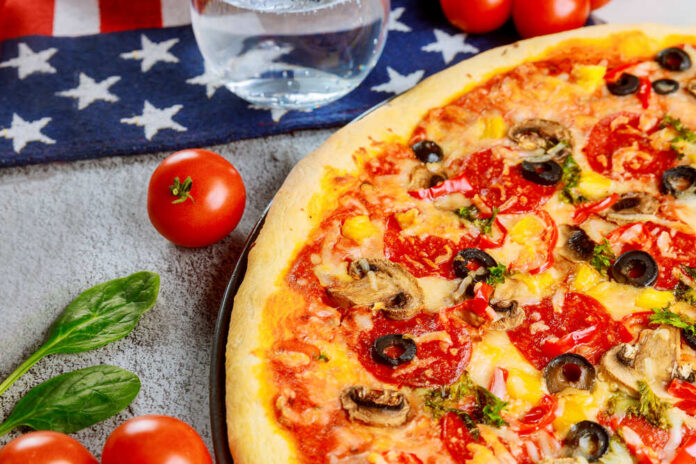
Conagra stopped making Celeste frozen pizzas and said the cut should lift profit margins over time.
Story Snapshot
- Conagra ended Celeste production and is selling through remaining inventory.
- Leaders called Celeste small and low-profit, backing an exit to boost margins.
- The company aims to reduce complexity and refocus on bigger, faster-growing brands.
- First-quarter sales took a small hit; margin gains are expected to build later.
What Conagra actually did and why it matters
Conagra halted production of Celeste frozen pizzas and confirmed stores will sell what is left on shelves and in freezers. The company said the move is part of a portfolio review to cut products that do not pull their weight. Leaders framed Celeste as small and low-profit, and said the exit should help margins in the future. That is the corporate playbook in these moments: trim weak lines, free capacity, and point resources at brands with better returns.
Management linked the decision to a broader push to simplify operations. Fewer items can mean fewer changeovers on factory lines, fewer suppliers to manage, and fewer headaches in warehouses and store sets. Conagra said the focus is on its strongest opportunities and on reducing complexity across manufacturing and procurement. The company also said it would redirect people, money, and shelf focus to larger brands and categories with more scale and growth potential.
What fans feel versus what the numbers demand
Longtime shoppers feel the loss. Celeste lived in dollar-store chests and big-box aisles for decades, and many remember those quick solo pies from school nights and late shifts. That sentiment is real, but companies make choices with math. Conagra reported that ending Celeste shaved roughly 15 basis points from first-quarter net sales, a visible dip now, while the margin boost is expected later. That trade-off fits a margin-first reset: take short-term pain to raise long-term profit quality.
Executives stopped short of sharing Celeste’s brand-level profit. They did not reveal exact costs, freight, trade spend, or the savings number tied to the exit. That is common in consumer goods, but it leaves outsiders guessing at the exact lift. The claim that margins improve holds water if the freed labor, line time, and marketing funds flow into winners and do not sit idle. The case aligns with conservative common sense: stop making products that barely break even and double down where the business wins.
Where the resources likely go next
Statements and trade coverage point to bigger bets in snacks and frozen foods with more momentum and scale. Reports mention popcorn and meat snacks as areas drawing more focus, which fits shopper trends and retail shelf economics. Those categories often support higher turns and better price-pack options than low-priced single-serve pizzas. If Conagra directs capacity, ad dollars, and retailer displays there, the margin math can work, even if some fans miss a budget pie.
END OF AN ERA — CELESTE FROZEN PIZZA IS OFFICIALLY DISCONTINUED AFTER MORE THAN SIX DECADES, LEAVING GENERATIONS OF PIZZA LOVERS NOSTALGIC.
Conagra Brands has confirmed that it has stopped producing Celeste frozen pizzas, including the once-popular single-serving “Pizza for One”…
— MDBayNews (@MDBayNews) October 8, 2026
Timing will test the strategy. Conagra and industry reports say benefits from simplification build over twelve to eighteen months as plants stabilize, procurement tightens, and sales teams reset assortments. The early sales headwind is easy to spot; the cost relief shows up more slowly in gross margin and operating margin lines. That lag can frustrate investors and shoppers. Still, if the company executes, fewer slow items and more support for leaders should raise returns without asking families to pay more for the same value.
Sources:
foxbusiness.com, usatoday.com, finance.yahoo.com, wftv.com, consumeraffairs.com, today.com, washingtontimes.com, fooddive.com, foodprocessing.com