President Trump’s readiness to launch land strikes against Venezuela, despite bipartisan demands for oversight, signals a momentous test of executive power and American resolve in the face of drug cartels and failed socialist regimes.
Story Snapshot
- President Trump is preparing to brief Congress on potential military operations against Venezuela and Colombia as part of his aggressive anti-drug campaign.
- Sen. Lindsey Graham asserts that Trump “has all the authority he needs,” dismissing legal uncertainties raised in Congress.
- Bipartisan lawmakers, including some Republicans, are pressing for greater oversight and questioning the legality of the strikes and possible regime change efforts.
- Venezuelan President Maduro accuses the U.S. of fabricating a new war, as Trump’s administration labels him a major narco-trafficker and increases the reward for his arrest.
Trump’s Intensified Anti-Drug Campaign Targets Venezuela
President Trump, determined to combat the scourge of drug trafficking, has escalated military operations in the Caribbean and is now considering direct land strikes against Venezuela.
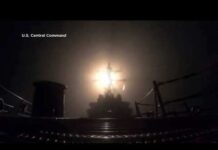
At least ten strikes have already been launched against suspected drug boats, with the administration emphasizing the need to put cartels and traffickers “on notice.”
This aggressive approach is framed as a critical step to protect American communities from the deadly effects of illegal drugs flooding across the southern border, a problem exacerbated by years of lax enforcement and open-border policies under previous administrations.
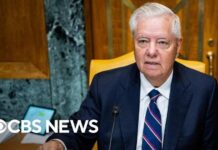
U.S. land strikes on Venezuela are “a real possibility,” Sen. Lindsey Graham (R-SC) says, telling @margbrennan President Trump plans to brief Congress about potentially expanding the U.S. military operations “from the sea to the land.”
“I support that idea. But I think he has… pic.twitter.com/q7iBG7D0H7
— Face The Nation (@FaceTheNation) October 26, 2025
Congressional Oversight and Executive Authority Clash
Sen. Lindsey Graham stated President Trump will brief lawmakers after returning from his Asia trip, addressing concerns about expanding the anti-drug campaign from the sea to land in Venezuela and Colombia.
Graham, a staunch supporter, expressed full confidence in Trump’s authority to act, arguing that the President possesses all necessary legal powers to confront these threats.
However, lawmakers from both parties are demanding additional oversight and concrete evidence to justify the legality of these military actions, reflecting a broader skepticism of unchecked executive power that became prevalent during previous years of government overreach.
Calls for Regime Change and Escalating International Rhetoric
According to Sen. Graham, President Trump has decided that Venezuelan President Nicolás Maduro—a figure indicted on drug trafficking charges—must leave office. The Trump administration has increased the reward for information leading to Maduro’s arrest to $50 million, branding him as “one of the largest narco-traffickers in the world.”
The Pentagon’s deployment of the aircraft carrier Gerald R. Ford to the region underscores the administration’s willingness to project American strength.
Maduro, for his part, has accused Trump of “fabricating a new eternal war,” invoking the specter of foreign intervention to rally support at home, while U.S. officials remain quiet about the specifics of any plans to remove him from power.
US Senator Graham hints US could KILL Venezuela’s Maduro
‘I don't think he's going to stay around much longer’
‘If I were Maduro, I'd find a way to leave before heat goes down’
Just Lindsey Graham casually suggesting regime change as if it’s a weekend getaway pic.twitter.com/zCEtiJrXY9
— RT (@RT_com) October 26, 2025
Bipartisan Skepticism: Legal and Constitutional Questions
Despite strong conservative support for Trump’s hardline stance, a coalition of lawmakers—including Republican Senators—has introduced a war powers resolution to bar U.S. armed forces from engaging in hostilities within Venezuela. Congressman Adam Schiff and others argue that recent military movements and intelligence reports challenge the administration’s assertion that the operations are aimed solely at stopping drug smuggling. Lawmakers insist Congress must assert its constitutional authority to prevent the United States from being drawn into a broader war in South America, highlighting deep concerns about the erosion of checks and balances and the risk of endless foreign entanglements.
Trump’s Response: Defending Strong, Decisive Action
President Trump has consistently dismissed concerns about the legality of the strikes, arguing that drug-laden vessels are “fair game” and that America’s security demands swift, uncompromising action. The administration maintains that Maduro’s regime, lacking legitimacy and acting as a cartel, poses a direct threat to the United States and the stability of the Western Hemisphere. While the White House points to multiple classified briefings given to Congress, it has refused to confirm or deny specifics about future land operations or plans for regime change. As the nation watches, Trump’s actions are being framed as both a test of constitutional boundaries and a reaffirmation of America’s willingness to confront lawlessness abroad to secure its own borders and values.