UPDATE: He has been arrested and is in custody.
The first man ever branded a “Most Wanted Fraudster” by the Department of Justice is accused of stealing millions meant to feed hungry kids.
Story Snapshot
- A Minnesota nonprofit operator is accused of faking 1.4 million children’s meals for over $4.2 million in payouts.
- The Federal Bureau of Investigation (FBI) put him on its new “Most Wanted Fraudsters” list and offered a large reward.
- The case fits a wider pattern of pandemic-era relief fraud and growing federal crackdowns.
- The allegations remain unproven in court, but the public branding is already shaping the story.
How a Child Nutrition Provider Ended Up on a Fraud “Most Wanted” List
Federal prosecutors say Minnesota nonprofit operator Said Abdullahi Ereg turned a pandemic child nutrition program into his personal cash machine.[1]
Reporters summarizing the case say he is accused of submitting false claims for more than 1.4 million meals for children during the COVID-19 period, which brought in over $4.2 million in federal payments.[1] According to that same coverage, a federal arrest warrant followed on January 24, 2024, pushing the matter from suspicion into a formal criminal case.[1]
Minnesota man marks FBI's first arrest from DOJ's 'Most Wanted Fraudsters' list https://t.co/zrr2MFFdQy pic.twitter.com/gWJehipXSV
— New York Post (@nypost) June 11, 2026
The charging theory, as described by the Economic Times segment, goes beyond sloppy paperwork.[1] Ereg allegedly faces counts of conspiracy to commit wire fraud and money laundering, the kind of pair you see when the government thinks someone planned a long-running scam and then tried to hide the money.[1]
Prosecutors claim he diverted program funds into a “lavish lifestyle” and routed cash into foreign accounts tied to overseas companies.[1] That is not a small billing dispute; it is the picture of an organized financial scheme.
Inside the New “Most Wanted Fraudsters” Push
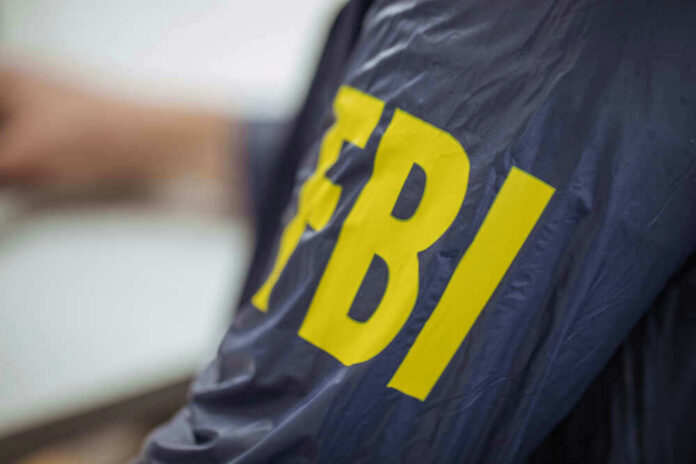
While this case focuses on child nutrition, the label attached to Ereg comes from a broader campaign. The FBI recently launched a “Most Wanted Fraudsters” list aimed at people accused of major financial crimes who are still on the run.[2][3]
FBI Director Kash Patel has said in public videos that the list is designed to focus attention on fugitives tied to tens of millions or even billions in alleged fraud and to generate tips from the public.[2][3][5] In plain terms, it is a naming-and-shaming tool to smoke out suspects.
The Minneapolis FBI field office and related social posts show how this plays out on the ground. Those posts call Ereg a fraudster and advertise a reward for information leading to his arrest, conviction, or both.[3][4][5][6]
Local and niche outlets repeat that message, stressing that he is wanted for his alleged part in a “massive fraud scheme” that hit taxpayers and targeted vulnerable children during a national crisis.[5] From a law-and-order view, that framing hits two pressure points at once: waste of public money and harm to kids.
Allegations, Evidence Gaps, and the Risk of Trial by Headline
So far, though, the public record you and I can see is heavy on government branding and light on raw evidence. The Economic Times video and social snippets quote prosecutors, but they do not show the actual indictment, complaint, or affidavits.[1]
They do not include bank records, meal site logs, or sworn witness statements. Every key phrase is couched as “allegedly” or “prosecutors say,” which tells us this is accusation, not yet proven fact.[1]
There is also no visible defense story in the sources at hand. None of the materials show Ereg’s lawyer challenging the 1.4 million meal figure, explaining where meals were served, or offering an alternate trail for the money.[1]
We do not see motions to dismiss, expert reports on nutrition billing rules, or a rival accounting of the $4.2 million.[1] That does not mean those things do not exist; it means the public conversation so far is one-sided, built on agency and media summaries rather than full court dockets.
What This Case Reveals About Pandemic Fraud and Public Trust
This fight sits inside a much bigger story: pandemic-era child nutrition and relief programs became giant targets for fraudsters nationwide.[1]
Inspectors general have warned for years that fast-moving reimbursement systems, especially those built on trust and self-reporting, invite overbilling and phantom claims. Taxpayers look at that and see a familiar pattern: big federal checks, thin oversight, and a class of operators ready to game the system while regular families tighten their belts.
The FBI’s new list reflects a hard pivot toward public pressure as an enforcement tool. From one angle, it answers a real demand: stop the scams, protect kids, and defend every honest dollar.
From another, it risks locking people into the “villain” role before a jury ever weighs the evidence. Common sense says hold both truths at once. Cheer serious fraud crackdowns, especially when children’s food and taxpayer money are at stake — and still insist that guilt is proven in court, not by a hashtag or a wanted poster.
Sources:
[1] Web – DOJ’s 1st ‘Most Wanted Fraudster’ arrested by the FBI
[2] Web – Two former Hennepin County information technology employees …
[3] Web – A Minnesota man is facing multiple federal charges after being …
[4] Web – Blueprint EPaper 20th January 2026 | PDF | Nigeria – Scribd
[5] Web – Aimee Bock, American-born woman, orchestrated $250m Somali …
[6] Web – Headlines Buy today’s paper at digitalpaper.vanguardngr.com