
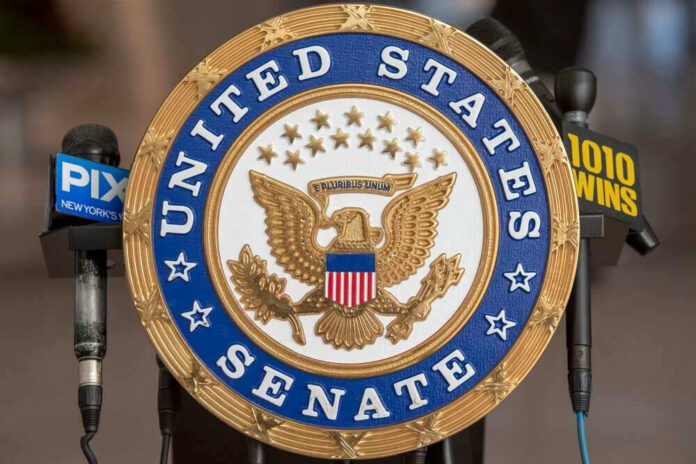
Sen. Chris Murphy suffered a stroke at his son’s hockey game, was hospitalized, and is now recovering under medical care, his office says.
Story Snapshot
- Murphy’s chief of staff says doctors diagnosed a stroke and admitted him to the hospital.
- The episode began with arm numbness on Saturday at his son’s hockey game.
- He was moved to Johns Hopkins for monitoring and is responding well, per the office.
- Staff report he is awake, alert, and expected to make a full recovery.
What Happened And When
Murphy’s office said he felt arm numbness on Saturday, October 31, while at his son’s hockey game. Staff brought him to a local hospital, where doctors identified a stroke. He was then transferred to Johns Hopkins for further monitoring and care. The office updated the public on Sunday, November 1, stating he was awake and alert. Multiple outlets reported the same sequence based on the office statement between November 1 and November 3.
Staff later added that doctors felt encouraged by his progress and expected a full recovery. The reports did not specify the stroke type, the first hospital’s name, or the exact treatment used. The account centers on the chief of staff’s statement and timed updates. Coverage by well-known outlets echoed those details and timing. The office said he continues to receive monitoring at Johns Hopkins and is responding well to care.
Why The Details Matter
Public servants lead busy lives with heavy travel and stress. A fast diagnosis and transfer to a leading hospital can shape outcomes. Early signs like arm numbness can mark a stroke and demand rapid action. The report shows staff moved quickly, which likely helped doctors act in time. The office offered clear, simple facts that matter most to voters: he had a stroke, he is under care, and his condition is improving, with optimism about recovery.
Specifics like stroke type or the name of the first hospital were not shared. That is common when privacy rules apply, and the family seeks space. Health Insurance Portability and Accountability Act privacy limits what hospitals can release without consent. In these moments, the office becomes the single voice. That is how similar cases have reached the public before, and it explains why newsrooms rely on staff statements for first reports.
How This Fits In Washington’s Reality
Congress has no federal rule that forces members to share medical files. Offices disclose what they choose and when they choose. Voters want clarity, and institutions need continuity, but privacy still stands. Recent coverage of other senators showed the same pattern: initial updates came from staff, not from hospital bulletins. That is why this case looks familiar. The office gave the basics fast, then focused on treatment and outlook as doctors evaluated next steps.
Sen. Chris Murphy, D-Conn., had a stroke Saturday afternoon while watching his son's hockey game, his office said Sunday. He's since been moved to Johns Hopkins for monitoring.
His chief of staff, Allison Herwitt, said Murphy first noticed numbness in his arm at the rink. He was…
— TheJonathonPryce (@JonathonPryce1) November 2, 2026
Basic governance questions follow any health scare. Committee work, floor votes, and constituent services continue, often with staff support and schedule shifts. If an absence stretches, state rules guide temporary appointments and special elections, but that is not the scenario described here. The office’s tone points to recovery, not replacement. The practical takeaway for citizens is simple: watch for official updates, not rumors, and judge by clear, on-the-record facts, not whispers.
What To Watch Next
Expect another statement on his discharge timeline and any short-term work adjustments. Look for updates on therapy or rest orders, which are common after a stroke. Staff will likely map a gradual return to normal duties, starting with remote briefings and controlled public events. Voters should continue to expect transparency on his functional status. For now, the record shows a quick response, a respected hospital, and an optimistic path forward, per his chief of staff and major outlets.
Sources:
cnbc.com, people.com, abcnews.com, baltimoresun.com, cambridge.org