
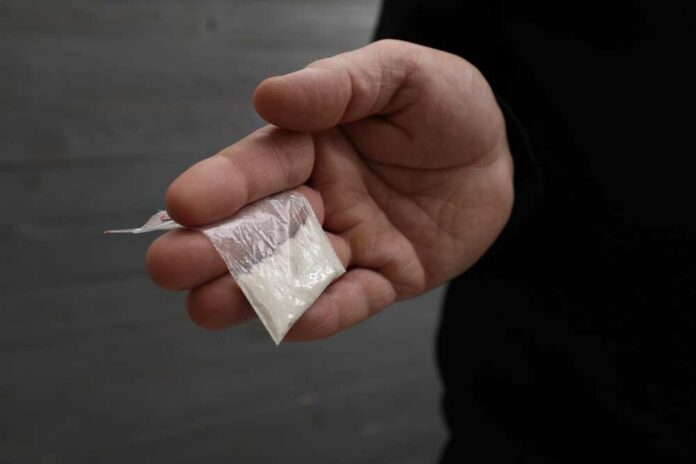
Prosecutors say a cocaine pipeline ran through two Penn State fraternities, with pledges packing product and 14 people now facing charges.
Story Snapshot
- State prosecutors charged 14 people tied to a campus cocaine operation.
- Investigators link the scheme to two fraternities and student buyers.
- Grand jury work and controlled buys underpinned the case.
- Officials named repeat supplier trips and in-house packaging as key tactics.
Prosecutors Outline a Fraternity-Centered Drug Network
Pennsylvania Attorney General Dave Sunday announced charges against 14 people after a long investigation into cocaine sales tied to Penn State. Thirteen are current or former students. Prosecutors say the group moved large amounts of cocaine through two fraternities and into the wider student body.
The case leans on a statewide grand jury, State College police work, and surveillance. Officials described a coordinated network rather than casual use, with roles for supply, cutting, packaging, and sale on and near campus.
13 Penn State frat bros busted in cocaine trafficking ring-including LI student at 'top of the food chain' https://t.co/NHYGRE1SHw pic.twitter.com/beiQCMOClg
— New York Post (@nypost) August 18, 2026
Investigators cited Delta Upsilon and Sigma Chi as central locations. They alleged members brought cocaine in from Philadelphia and New York, then cut and bagged it for sale.
Authorities said pledges sometimes helped package drugs as part of indoctrination to the houses, a detail that pushed the allegations from mere dealing into culture and control inside the groups.
That point matters for both criminal charges and university discipline, because it speaks to pressure dynamics and organized activity, not one-off acts.
How the Case Took Shape and Who Did What
State College detectives and agents built the case with confidential buys and testimony. A grand jury presentment described repeat supplier trips and a steady flow of cocaine onto campus.
When police arrested a student dealer, they say the network began to unravel and led to higher-level suppliers and fraternity distribution hubs.
Prosecutors publicly identified leaders and alleged travel patterns to source cities. That structure, if proven, fits the pattern of campus operations that act like small cartels, not scattered users.
Local coverage and the Attorney General’s office detailed nearly 30 counts for at least one defendant, including felonies for possession with intent to deliver.
Police say some sales happened inside a fraternity house, which raised the stakes for everyone present and exposed pledges to risk far beyond a party scene.
This is where common sense aligns with the law: the moment a house becomes a storefront, every roommate and recruit faces danger from both gangs and guns, even if none appeared here.
Why This Bust Resonates Beyond State College
Federal and state cases in North Carolina in 2020 showed similar features: fraternity houses as sale sites, coded communications, and large sums moving through student circles. The Department of Justice charged 21 people there and described a cross-campus ring, not a dorm-room stash.
The Penn State case fits that model. When you see supplier runs, cutting rooms, and pledge labor, you are looking at a business plan, not teen curiosity. That difference guides tougher charging and stiffer sentences, and most parents would call that fair.
Thirteen former or current Penn State University students were criminally charged Monday on allegations they participated in a cocaine-trafficking ring that involved two fraternities, authorities said.
Read more: https://t.co/gX7nPkiDMs
— ABC News (@ABC) August 18, 2026
Penn State has lived through painful fraternity scandals before, and leadership knows the stakes. The alleged use of pledges to package cocaine, if proven, crosses two bright lines at once: drug trafficking and hazing culture.
That mix demands strong action from both prosecutors and the university. Law enforcement should keep targeting the organizers and suppliers. The school should shut down any house that becomes a drug mill. Freedom on campus requires order, and order means rules with teeth.
Sources:
foxnews.com, pennlive.com, attorneygeneral.gov, psu.edu, wjactv.com