One of America’s most nostalgic burger chains just bet its future on a cow’s salad bar instead of a grain bin—and that quiet menu tweak may tell you more about the food wars than any cable news segment.
Story Snapshot
- Steak ’n Shake is switching all Steakburgers to 100 percent grass-fed, grass-finished, pasture-raised beef starting June 1.
- The chain pairs this beef shift with a move to 100 percent beef tallow for frying, ditching industrial seed oils.
- Corporate marketing frames the change as a win for taste and health, but hard, independent proof is thin so far.
- The move exposes the growing gap between food labels, real nutrition, and the values of health-conscious, freedom-minded consumers.
A legacy diner chain decides its cows should eat like cows again
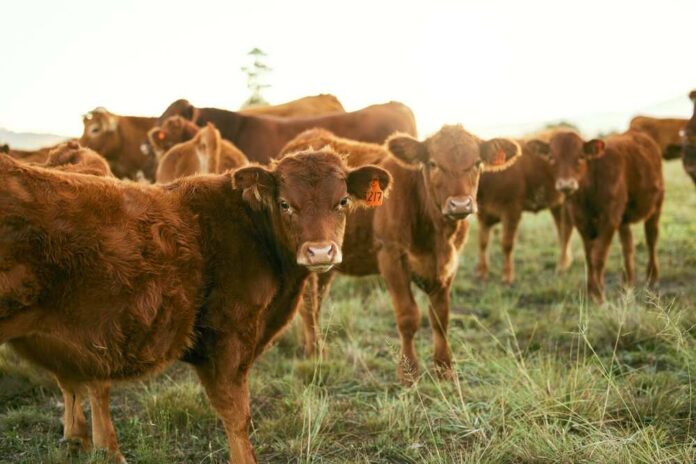
Steak ’n Shake, founded in 1934 and famous for thin, crispy-edged Steakburgers, announced that as of June 1, all of its burgers will be made from 100 percent grass-fed, grass-finished beef sourced from pasture-raised cattle.[1]
The company is publicly calling this “doing things better” and positioning the new beef as the “healthiest kind of beef,” a bold statement in a world where most fast-food patties still come from grain-fed feedlot systems.[1]
Starting today, every Steak ’n Shake hamburger will be made with 100% grass-fed, grass-finished beef from pasture-raised cattle.
We hope other fast-food chains follow suit and make this simple, healthier change. pic.twitter.com/4YqztE75NU
— MAHA Action (@MAHA_Action) June 1, 2026
Corporate notes and deal-tracking coverage both emphasize that this is not a limited-time specialty item but a systemwide sourcing change for all Steakburgers across the chain.[1]
The chain claims to be the first major American burger brand to go fully grass-fed and grass-finished at a national scale.[1] That alone differentiates it from rivals that may offer one “natural” or “premium” patty while leaving the rest of the menu unchanged, quietly maintaining lower-cost conventional beef.[1]
No-seed-oil fries and the quiet tallow revolt
The burger pivot does not stand alone. Steak ’n Shake’s own seed-oil explainer page states that its fries, tater tots, onion rings, and chicken tenders are cooked in 100 percent beef tallow with no additives, preservatives, or artificial ingredients.[2]
Beef tallow is rendered beef fat, the thing your grandparents used before canola and soybean oil took over restaurant fryers in the name of “heart health” and convenience.[2] That decision aligns squarely with a growing backlash against ultra-processed seed oils.
Steak ’n Shake pushes the tallow story beyond the restaurant, selling branded beef tallow online, including a product specifically labeled 100 percent grass-fed beef tallow made from carefully selected, pasture-raised, grass-fed, grass-finished cattle.[3][4]
The tallow is rendered in small batches and marketed as a premium cooking fat for home kitchens.[4] That merchandising move suggests the company understands that its target customer is not just hungry, but also skeptical of modern food processing and looking to “opt out” where possible.[3][4]
Health, taste, and sustainability: what is promised versus what is proven
The company’s public language presents grass-fed, pasture-raised, grass-finished beef as “the healthiest kind of beef” and implies better taste, cleaner fat, and more sustainable production.[1]
Grass-fed beef typically carries more omega-3 fatty acids and different fat ratios than grain-fed beef, which many health-conscious consumers prefer.
However, these general nutritional points come from broader agriculture research, not from Steak ’n Shake’s own lab tests or published burger-by-burger comparisons tied to this rollout.
The available record contains no independent life-cycle analysis of Steak ’n Shake’s new supply chain, no third-party verification of every ranch involved, and no published lab data on the new patties’ nutrient profiles or contaminants.[1]
That absence does not prove the claims wrong, but it does mean consumers are being asked to trust the brand’s marketing and sourcing assurances rather than evaluate hard, audited numbers.
For a move this large, verification would be the next logical step if the company wants to persuade skeptics instead of only preaching to the already converted.
Why this resonates with health-conscious and consumers
The combination of grass-fed beef and beef tallow taps directly into a surge of interest in traditional foods, low-processing, and skepticism toward industrial agriculture and seed-oil-heavy diets.[2][3]
Many Americans who value personal responsibility and limited government also distrust the revolving door between regulators, food conglomerates, and nutrition “experts” who once assured everyone that margarine and soybean oil were superior to butter and animal fat. When a big chain reverses course and brings animal fat back into the fryer, that feels like a long-overdue correction, not a niche culinary experiment.[2]
There is something appealing about a company voluntarily bearing higher short-term costs to align with customer values: simpler ingredients, transparent sourcing, and food that looks more like what your great-grandparents ate.
At the same time, prudence says not to crown Steak ’n Shake the savior of American beef just because the press release sounds good.
Until there is independent verification, the safest stance is guarded optimism: applaud the direction, keep asking for data, and let the actual burger—taste, digestion, and lab work—earn the hype.
Sources:
[1] Web – Steak ‘n Shake Bets Big On Grass — America’s First Major Chain To …
[2] Web – Steak ‘n Shake to switch to 100% grass-fed and grass-finished beef
[3] Web – Steak ‘n Shake to switch to 100% grass-fed beef from June 1
[4] Web – Steak ‘n Shake Beef Tallow