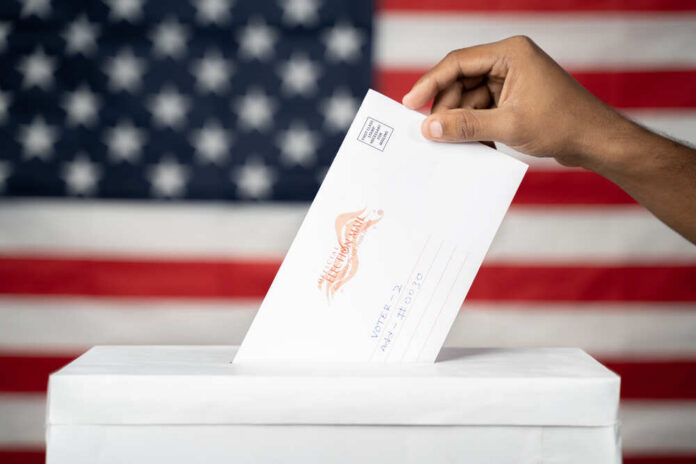
The Vatican says Pope Leo XIV mailed his Illinois ballot, marking a first for a sitting pope in a U.S. election.
Story Snapshot
- The Holy See says the pope submitted a mail-in ballot in Chicago.
- Will County listed him as a voter who requested a mail ballot at a New Lenox address.
- Reports across major outlets aligned on the core fact of the mailed ballot.
- The pope framed voting as both a right and a duty for citizens.
The Confirmed Act: A U.S. Pope Votes by Mail
The Holy See Press Office stated Pope Leo XIV exercised his right to vote as a United States citizen and submitted a mail-in ballot in Chicago. The statement also said he believes citizens have both a right and a duty to take part in elections. The Will County Clerk’s Office confirmed he was listed as a voter who requested a mail ballot, registered at a New Lenox address. That county-level listing aligns with the Vatican’s account of the mailed ballot.
Major outlets reported the same core facts. CBS News, Vatican News, and the Chicago Sun-Times each described his mail ballot for the Illinois midterms and cited the Vatican confirmation. The coverage centered on the milestone nature of the act and his American citizenship as the basis for voting. None of the reports identified a party choice or specific contests, which remains private by law.
Why This Moment Matters
The vote signals continuity with Pope Leo’s earlier civic life. The Vatican said he voted whenever eligible during years he lived in Peru, linking the Illinois ballot to a long-standing habit rather than a one-time gesture. That framing matters. It casts the act as personal civic duty, not a public campaign message. For Americans who value participation, the message is plain: status does not replace citizenship, and duty does not bend for office.
The voter file detail from Will County supplies a local anchor. A registered address in New Lenox, plus a recorded mail-ballot request, takes this story out of the clouds and into a county logbook. That local touchpoint is where many election questions get answered. Clerks verify signatures, process envelopes, and post status updates. The system runs on simple steps that add up to trust when they match.
The “First” Label and What We Actually Know
Outlets called this a first for any pope voting in a U.S. election. The claim reflects the public record and the Vatican’s account, and no reporting identified a past example. The available sources did not present a line-by-line audit of every pontiff’s voting history. The safer ground is the documented facts: the Vatican says Pope Leo XIV submitted a mail ballot in Illinois, and county records show his mail-ballot request.
Ballot secrecy rules out knowing his selections, and that is as it should be. A private ballot is a bedrock rule. The act itself, not the choices, is the story. The papal message lines up with common civic sense: show up, follow the rules, and accept your duty as a citizen. That ethic tracks with many Americans’ view that rights and responsibilities travel together, not apart.
Mail Ballots, Counting, and Common Sense
Mail voting follows clear steps: request, receive, return, verify, and count. The United States Election Assistance Commission reported that election offices counted about 98.8 percent of returned mail ballots in 2024, with 1.2 percent rejected, often for signature issues. Those numbers show most mailed ballots make it into the tally, while a small share do not. That base rate places this story in a known lane, not a mystery.
History at the ballot box! Pope Leo XIV became the first sitting pope to vote in a U.S. general election, casting a mail-in ballot ahead of November 3’s midterms. The Chicago-born pontiff says voting is both a right and a civic duty. Who knew the Pope was making his voice heard… pic.twitter.com/6rJv2azc0K
— Toasted Tv News (@ToastedTvNews) November 2, 2026
Coverage focused on the civic meaning, not the mechanics, but both matter. The Vatican’s statement described a mailed ballot and a belief in duty. The county record showed a request on file. The press laid out the same event from different angles. Put together, the pieces form a clear picture: a U.S. citizen who serves as pope took part in an American election by mail, as he says he has done when eligible before.
Sources:
cbsnews.com, vaticannews.va, chicago.suntimes.com