President Trump says the Secret Service and the military pushed him onto a different plane in Turkey because of a threat, and the reporting around that move is even more revealing than the switch itself.
Story Snapshot
- Trump said he followed the Secret Service and military after they wanted him on a “different plane.”
- Major outlets reported that security officials urged him to avoid the newer Qatari-gifted aircraft.
- Some reports described an Iranian assassination threat; others said the trigger was a broader security caution.
- The episode included a decoy-style move that kept reporters and staff thinking he stayed on Air Force One.
What Trump Said and Why It Matters
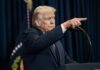
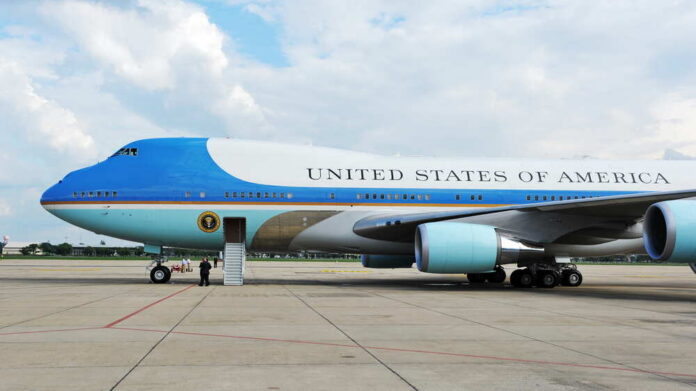
Trump told reporters that he left Air Force One in Turkey because security officials wanted him on another aircraft. He said the Secret Service and the military wanted him on a “different flight, different plane,” and he framed the choice as obedience to the people protecting him.
Trump on the Turkey plane change: "I go by Secret Service and the military. They wanted me to go on a different flight, a different plane… I do what they say… I guess there was a threat out there. I didn't really ask too much about it. I get a lot of threats." pic.twitter.com/u5sJ1u02ia
— AZ Intel (@AZ_Intel_) August 12, 2026
That account matters because it turns a strange travel story into a window on presidential security. It also gives Trump a rare chance to sound calm while describing a threat that he said did not scare him. The basic outline is: officials warned, Trump switched, and the White House later let the trip look normal while he was moved in secret.
The Plane Switch Was Not a Simple Change of Travel Plans
The reporting points to a deliberate security operation, not a routine aircraft swap. The New York Times and ABC News reported that the Secret Service urged Trump to leave Turkey on the older Air Force One instead of the newer Qatari-gifted plane, and Reuters described a move involving a catering truck and a military aircraft.
That detail gives the episode its edge. Trump had arrived on the newer plane, which he himself acknowledged lacked the same defensive systems as the older one. Then the public image shifted, with Trump seen boarding one aircraft while the final flight plan unfolded out of view.
What the Threat Was, and What the Public Still Does Not Know
Here is the most important split in the reporting: some outlets described an Iranian assassination threat, while ABC News said the change was not prompted by a specific threat but by caution during the wider standoff with Iran. That is not a minor difference.
A named, direct threat suggests a tighter and more urgent security response. A general caution suggests a broader protective move.
Secret Service just smuggled Trump out of Turkey in a catering truck while Air Force One flew as a decoy.
Real Iranian threat. Real protection.
They did the same for Clinton in 2000. Nobody cried then.But now the left and media are quietly seething that it worked.
They didn’t… pic.twitter.com/JVwVzJ5BPP— Robert Toney (@RobertJoeToney) August 12, 2026
Trump did not help clear up that distinction. He said only that he guessed “there was a threat out there” and declined to dwell on it. He also said the plane he flew on might have been at greater risk, which is the kind of line that raises more questions than it answers.
Why the Story Fits a Familiar Pattern
Presidential security moves often become public through leaks before they become fully explained. This case follows that pattern closely. Outlets described unnamed officials, internal discussions, and a last-minute shift that protected Trump while leaving staff and reporters to believe he remained on Air Force One.
That is why the story still has force even with a thin official record. The public has enough consistent reporting to know a security-driven plane change happened.
Sources:
apnews.com, nytimes.com, washingtonpost.com, abcnews.com, youtube.com, nbcnews.com