A damaged pool in Washington is fueling a growing clash over whether officials are looking at vandalism or hiding something else.
Story Snapshot
- President Trump says the Reflecting Pool damage was clear vandalism, not a construction oops.
- Jeanine Pirro’s office dropped felony charges after new records blamed a botched installation.
- The fight exposed deep tension inside Trump’s own team over evidence, loyalty, and blame.
- The case shows how public prosecutions can flip once the paperwork finally catches up.
How a favorite Trump project became a political crime scene
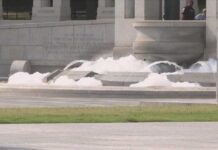
The Lincoln Memorial Reflecting Pool renovation was one of President Trump’s favored civic upgrades, a $14 million effort to refresh a landmark millions of visitors see every year. When parts of the new blue liner peeled and lifted, Trump’s team treated the damage as an attack, not an accident.
Federal prosecutors charged former Olympic canoeist David Hearn with vandalizing the pool, saying he ripped up the sealant with his hands and caused more than $1,000 in damage.
Jeanine Pirro, Trump’s handpicked United States attorney for the District of Columbia, initially backed the case hard. Reports say she called the evidence against Hearn “tremendous” and framed the damage as deliberate abuse of Trump’s project.
Interior Secretary Doug Burgum went further, claiming he had “expert and eyewitness testimony” proving vandals were to blame. For a while, the official story was simple: vandals hit the Reflecting Pool, and Trump’s justice team was on the case.
Why Pirro walked away from the vandalism theory
The turning point came when Pirro’s office got more records from the Department of the Interior. In a detailed court filing, prosecutors said new documents and inspections showed the peeling was tied to “flawed installation by the contractor” and a rush to finish the job before America 250 events.
The filing said widespread blistering, overspray, and failed bonding started before Hearn ever touched the coating, undercutting the idea that one man’s actions caused the main damage.
🚨🚨NEWS: President Trump excoriates US Attorney for DC Jeanine Pirro for dismissing the reflecting pond vandalism case. "She choked. She folded like an umbrella." 👇🏼 pic.twitter.com/GJa2J3ZIZR
— Plein Crazy (@PleinCrazy) August 3, 2026
Pirro’s team told the court it was “difficult to attribute the widespread damage to the Reflecting Pool to vandalism, let alone to establish that fact beyond a reasonable doubt.”
Her office argued the Interior Department had not provided key project information before the indictment, and that if those records had been available earlier, the government would not have brought the case at all. This was not a gentle pivot. It was a written admission that the earlier criminal theory no longer matched the paper trail.
Trump’s fury and the loyalty question inside his own team
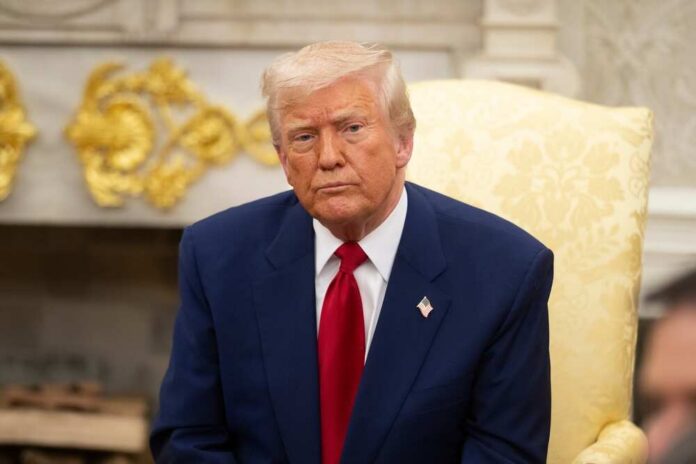
President Trump did not accept Pirro’s reversal. He posted that he “disagree[d] 100%” with her assessment, insisting, “There may have been some contractor difficulty, but the major damage was caused by VANDALS!” In Oval Office comments, he said Pirro “made a mistake,” “choked,” and “folded like a cheap umbrella” when she moved to dismiss the case.
He kept describing the pool as vandalized and suggested people were “getting away with things,” which offended his basic sense of order and consequences.
President Trump has lashed out at U.S. Attorney Jeanine Pirro after she dropped vandalism cases and blamed damage at the Reflecting Pool on rushed and flawed work.
The pool’s problems are sparking tirades from Trump inside the White House. https://t.co/xhSCK5sE43
— The Washington Post (@washingtonpost) August 4, 2026
The clash was not just about one pool. It highlighted a standard tension: you want tough-on-crime prosecutors who defend property and public spaces, but you also expect them to follow solid evidence when it points to contractor error instead of criminal intent.
Trump’s complaints track with a view many share: if a landmark looked fine before someone ripped at it and looked damaged after, that feels like vandalism. The problem is that the later engineering records say the damage pattern was broader and started earlier.
Contractors, bureaucrats, and who pays for bad work
Pirro’s filing shifted blame toward Trump’s handpicked contractor and the rush to deliver the project on his timeline. That cuts in two directions. On one hand, it shows her office was willing to admit a mistake and stop pressing a weak case, which is what many expect from honest prosecutors.
On the other hand, it leaves taxpayers holding the bag for defective work and makes it look like the only people facing real scrutiny are inside Trump’s own administration, not the supposed vandals.
Interior Secretary Burgum did not quietly accept Pirro’s version either. He publicly pushed back, saying he was “100 percent sure” vandals caused the damage and that his department had given Pirro “expert and eyewitness testimony” supporting that view.
So the dispute became an unusual open feud between two Trump loyalists, each claiming to stand with the facts. That kind of split invites doubt, because ordinary citizens cannot easily see the full project records or technical reports behind the scenes.
What this fight reveals about modern justice politics
This Reflecting Pool battle shows a bigger pattern. High-profile cases often start with bold charges based on incomplete information, then flip when more documents and expert reviews arrive.
When that happens in a politically charged setting, one side cries “capitulation,” the other says “correction,” and the public is left to guess which label fits. Here, Trump leans into the vandalism narrative, while Pirro cites engineering flaws and missing records from another agency.
From this standpoint, two points can coexist. First, citizens deserve firm protection of public property and real penalties when people intentionally damage landmarks.
Second, criminal charges should rest on clear, tested evidence, not early assumptions made before every installation log and defect report is on the table.
This case never reached a jury or produced a judge’s ruling on what caused the peeling. That leaves the truth stuck between a president’s certainty and a prosecutor’s late-course correction.
Sources:
nytimes.com, cnbc.com, youtube.com, abcnews.com