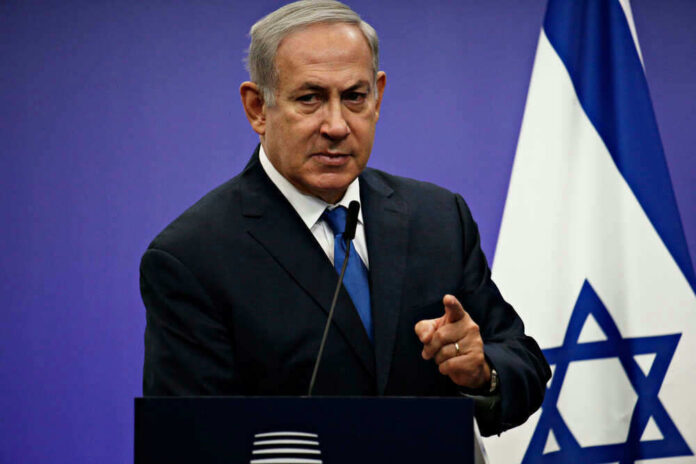
Israeli Prime Minister Benjamin Netanyahu has made an unprecedented pardon request to escape corruption charges, following President Trump’s public endorsement of the controversial move that threatens to undermine Israel’s rule of law.
Story Highlights
- Netanyahu becomes the first sitting Israeli PM to request a pardon while on trial for corruption.
- Trump publicly urged Israel to grant the pardon, calling the prosecution “political” and “unjustified.”
- Legal experts warn that a pre-conviction pardon would threaten the rule of law and equality before justice.
- Opposition leaders demand that Netanyahu admit guilt and retire from politics before any pardon consideration.
Historic Pardon Request Sparks Constitutional Crisis
Netanyahu submitted formal pardon documents to President Isaac Herzog’s office on November 30, 2025, seeking to end three corruption cases charging him with fraud, breach of trust, and bribery. +The Israeli leader faces accusations of exchanging political favors with wealthy supporters while serving as prime minister.
His request marks the first time a sitting Israeli prime minister has sought presidential intervention to escape ongoing criminal proceedings, creating what the president’s office termed an “extraordinary request” with “significant implications.”
Israel’s Netanyahu requests a pardon to end ongoing corruption trialhttps://t.co/65KK9xs2aL pic.twitter.com/6VC13d5vvY
— The Washington Times (@WashTimes) November 30, 2025
Trump Administration Backs Controversial Intervention
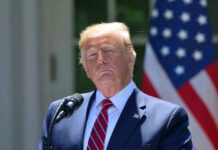
President Trump has actively championed Netanyahu’s cause, publicly urging Herzog during a parliamentary address to grant the pardon. Trump reinforced his position with a formal letter in November 2025, characterizing the corruption prosecution as “political, unjustified persecution.”
This American intervention represents unprecedented foreign involvement in Israel’s judicial process.
The Trump administration’s backing provides Netanyahu with significant political cover while raising questions about external influence on Israeli democratic institutions and legal proceedings.
Legal Experts Condemn Pre-Conviction Pardon Attempt
Former Justice Ministry Director-General Emi Palmor declared Netanyahu’s strategy legally impossible, explaining that claiming innocence while simultaneously seeking presidential intervention creates an inherent contradiction.
The Israel Democracy Institute warned that granting pardons during ongoing proceedings “threatens the rule of law and seriously undermines the principle of equality before the law.”
Legal scholars note that Israeli precedent requires completed proceedings before pardon consideration. Netanyahu’s attempt circumvents established judicial protocols, potentially setting dangerous precedents for future corruption cases involving high-ranking officials.
Political Opposition Demands Accountability Standards
Opposition leader Yair Lapid insisted that any pardon must include Netanyahu’s admission of guilt, expression of remorse, and immediate retirement from political life. The Movement for Quality Government in Israel warned that pardoning an accused prime minister would establish that certain citizens operate above legal accountability.
Critics highlighted Netanyahu’s 2008 demands that then-Prime Minister Ehud Olmert resign during corruption investigations, noting the current leader’s contradictory stance. Netanyahu’s defiant approach contrasts sharply with Olmert, who resigned before indictment and later served 16 months in prison.