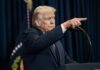

Sebastian Gorka, now leading U.S. counterterrorism, promises a radical break from past failures that left Americans vulnerable to jihadist threats.
Story Highlights
- Gorka serves as deputy assistant to the president and senior director for counterterrorism since January 2025, running weekly strategy meetings with FBI, DHS, and intelligence agencies.
- New domestic counterterrorism plan, set for release by May 2025, will completely differ from previous administration’s approach.
- Focuses on real threats like financial supporters of terrorists, not political opponents, while reviving counter-jihadi propaganda efforts.
- Builds on Gorka’s prior Trump administration experience defending America First national security policies.
Gorka’s Current Leadership Role
Sebastian Gorka holds the position of deputy assistant to the president and senior director for counterterrorism since January 2025. He leads the United States government counterterrorism strategic group every Thursday morning.
Participants include the intelligence community, FBI, and DHS. This coordination ensures unified action against terror threats. Gorka’s role strengthens national security under President Trump’s direction. Americans frustrated with prior weak responses see this as a return to effective defense.
Trump aide Sebastian Gorka signals he's interested in top counterterrorism post https://t.co/YvXhtsg6e5
— CBS Mornings (@CBSMornings) April 15, 2026
New Counterterrorism Strategy Unveiled
In April 2025, Gorka announced the Trump administration’s first domestic counterterrorism strategy would arrive within a month. The plan promises to utterly differ from the previous government’s failed tactics. It targets those funding terrorist groups rather than political dissenters.
Gorka rejects the misuse of counterterrorism powers against Americans who disagree politically. This approach aligns with conservative values of limited government and focused protection of citizens.
Reviving Counter-Jihad Capabilities
Gorka prioritizes restoring the U.S. government’s counter-jihadi propaganda tools, neglected under past regimes. His leadership addresses radicalization and Islamist threats head-on. Weekly meetings foster interagency teamwork to disrupt jihadist networks. This shift counters years of globalist policies that hampered strong defenses.
Gorka’s past service in Trump’s first term involved defending national security positions in tough media interviews. His Hungarian-American background brings unique insight to countering foreign-inspired terror.
Controversies over his views on Islam highlight debates, yet his track record supports bold action. Long-term, this reshapes U.S. strategy against domestic and international threats, impacting Middle East policy.
Implications for National Security
Gorka’s initiatives promise short-term gains through a fresh framework and agency coordination. Long-term, they redefine terrorism targeting, safeguarding civil liberties while hitting jihadists hard. Affected parties include law enforcement, intelligence, and partners abroad.
Amid widespread distrust in federal elites, Gorka’s no-nonsense leadership offers hope that government can prioritize citizen safety over reelection games. This fulfills demands for accountability from frustrated Americans across the spectrum.
Sources:
Council on Foreign Relations: A Conversation With Sebastian Gorka