
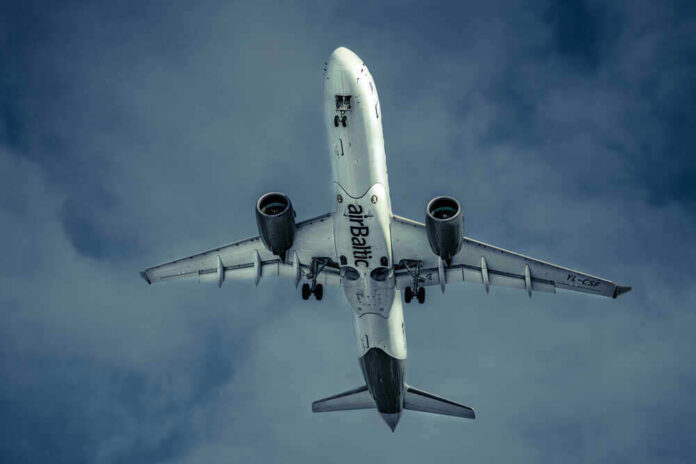
Six flight attendants getting sick at 39,000 feet turned one “oven odor” into a fresh test of trust in modern air travel.
Story Snapshot
- American Airlines Flight 719 from Rome to Philadelphia diverted to Dublin after a reported odor onboard.
- Six of nine flight attendants reportedly felt dizzy or ill, and paramedics evaluated crew and at least one passenger.
- American Airlines says the smell was traced to an oven, but has shared few technical details about the cause.
- Past odor incidents and changing explanations raise questions about transparency and accountability in aviation.
A routine transatlantic flight that suddenly was not routine
Flight 719 left Rome headed for Philadelphia with 281 passengers and 12 crew on a Boeing 787-9 Dreamliner. About three hours into the flight, while cruising high over the North Atlantic, something changed in the cabin. Reports describe a sudden odor spreading through the aircraft, followed by crew members starting to feel sick. For travelers, this is the kind of moment that turns a long-haul trip from boring to tense in a matter of minutes.
An American Airlines flight from Rome to Philadelphia diverted to Dublin after a mysterious odor onboard caused six flight attendants to become ill. https://t.co/H2Lm6Ag3nK
— PennLive.com (@PennLive) July 29, 2026
American Airlines confirms that six of the nine flight attendants on duty reported feeling dizzy or unwell after the smell appeared. That is not a small number; it is most of the cabin crew on a wide-body jet. When the people responsible for passenger safety start to feel impaired, pilots have one job: get the plane on the ground fast, somewhere with good medical care and a long runway. On this day, that place was Dublin Airport in Ireland.
The airline’s “oven odor” explanation and what it leaves out
The official story from American Airlines is simple on the surface: the flight “diverted to Dublin due to a reported odor onboard caused by an oven.” A spokesperson told at least one outlet that the odor was traced to an oven in the galley, which fits the first reports that the smell seemed linked to that area. This kind of explanation sounds reassuring. An oven feels like a normal, controllable part of the plane, not a mysterious toxic leak.
But the public record stops where many readers’ questions begin. The airline has not publicly described what was wrong with that oven, what substance actually produced the smell, or why it made multiple crew members feel ill. There is no detailed technical finding, maintenance log, or regulator report in view yet. Based on past experience, this lack of detail invites healthy skepticism, especially from travelers who have seen simple stories change later when more facts surface.
What happened after landing and how passengers were treated
Once the jet reached Dublin, it landed safely and was met at the gate by paramedics and emergency teams. Medical staff evaluated the affected flight attendants and at least one passenger, then released them without sending anyone to the hospital. American Airlines arranged hotel rooms at no cost and rebooked customers on flights to Philadelphia the next day, trying to contain the disruption and show basic respect for people whose trip had just been turned upside down.
For many conservative-minded travelers, this part matters as much as the cause. When something goes wrong, they expect companies to protect people first, handle logistics second, and sort out blame later. Putting customers up overnight and rebooking them is the minimum standard for decent treatment in an incident where passengers did nothing wrong, yet lost a day of their lives because of an onboard problem.
A pattern of “mystery odors” that keeps coming back
This flight fits a broader pattern that should make every frequent flyer pause for a moment. American Airlines has faced other odor incidents where early explanations sounded neat but later turned messy. In one earlier case, the airline first blamed a spilled cleaning product after crew passed out, then later admitted that was not the cause once maintenance dug deeper. That kind of reversal teaches a simple lesson: first statements are sometimes more about calming the public than delivering hard truth.
Odors on planes can come from harmless things like overheated galley equipment or someone’s meal, but the same symptoms can overlap with real mechanical or air quality problems. When multiple crew members get sick and the cockpit declares a medical emergency, it is common sense to treat a quick “it was the oven” line as provisional, not final. Responsible skeptics do not invent conspiracies. They simply wait to see if maintenance records and regulator findings later match the early story.
What this says about safety, transparency, and trust
The available facts show a professional crew, a diversion that put safety first, and an airline that covered lodging and rebooking for disrupted passengers. On those points, the system worked about as it should. At the same time, the skimpy public explanation and the pattern of vague “odor” incidents highlight a tension between corporate messaging and full transparency. Travelers who value straight talk want more than a one-line cause, especially when multiple employees get sick at altitude.
From a conservative, common-sense view, the path forward is clear. Airlines and regulators should release more concrete information once investigations are complete: what part failed, what chemical or condition caused symptoms, and what was done to prevent a repeat. That level of detail respects adults who can handle the truth and reinforces trust in a safety culture that treats every midair illness as a serious event, not just a public relations challenge.
Sources:
foxbusiness.com, usatoday.com, nypost.com, bbc.co.uk, aeroinside.com, ibtimes.co.uk, facebook.com, aviation.direct, bbc.com, amarujala.com