A Georgia police officer shot a family’s bottle-raised baby donkey during a late-night missing child search, and the silence around why is now the loudest part of the story.
Story Snapshot
- The city confirmed the shooting and put the officer on leave during an active probe.
- The owner says officers entered the private pasture near 12:45 a.m. without permission.
- The police chief confirmed body-camera video exists but has not described it.
- The family says the officer tried a Taser, then fired, claiming perceived danger.
What Happened In That Pasture
Police from Cedartown searched for a missing 12-year-old girl late Saturday in Polk County. The search led officers onto a farm’s private pasture in Rockmart around 12:45 a.m., according to the owner’s account shared with local media.
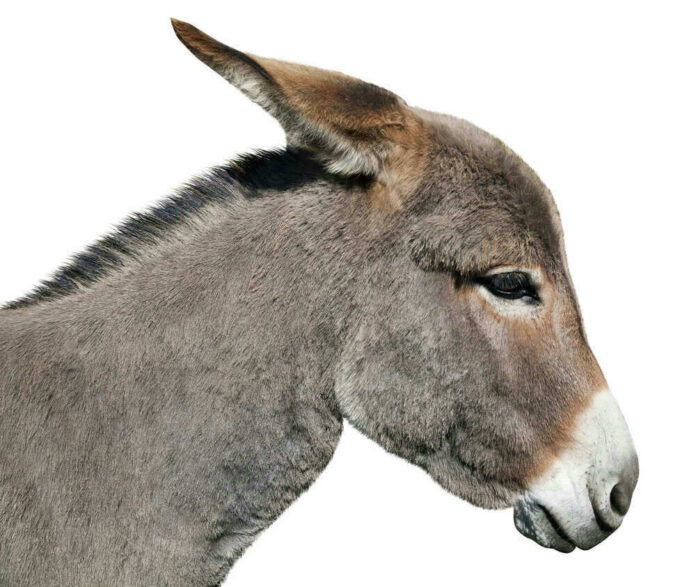
During that search, a Cedartown officer shot and killed HeeHaw, a miniature donkey raised by bottle inside the family home. The city confirmed an officer fired and was placed on administrative leave while an investigation proceeds.
Owner Hannah Israel says officers entered without permission or warning and did not alert anyone on the property before the encounter. She says officers later told her the donkey ran toward them while braying.
She also says they tried a Taser first and then shot the animal, claiming they felt in danger. Those details come from her statements, repeated by several outlets, and from posts cited by reporters on the scene. Administrative leave is standard during use-of-force reviews and does not imply guilt or innocence.
What Police Will—and Won’t—Say
Cedartown Police Chief Jamie Newsome acknowledged the incident and the investigation. He confirmed that body-camera video exists and that he has viewed it. He declined to describe what the footage shows.
He also said the officer did not state that he feared for his life, and he did not discuss the specific reason for the shot, citing the handoff to a state agency for review. That tight-lipped stance is common during active investigations, but it rarely satisfies a community that wants clear answers now.
SHOCK: GEORGIA COPS TRESPASS onto PROPERTY — then SHOOT DEAD BABY DONKEY during MISSING PERSON SEARCH
HEEHAW TAZED before OFFICER OPENED FIRE and KILLED him — COP FELT ‘THREATENED’
OFFICER PUT ON LEAVE pic.twitter.com/rdeb59hTV8
— The World Watch ⛨ (@WorldWatchGoat) September 1, 2026
The department’s on-record facts are narrow: a donkey was shot, the officer is on leave, and a probe is underway. The family’s account fills the gap and is driving public reaction. That is how these cases often unfold.
When officials confirm video exists yet hold it back, the first vivid story takes hold. In today’s media climate, that early story often becomes the lasting one unless video or reports shift the view later.
Property Rights And Good Policing
Most Americans expect two things from police: protect kids and respect property. Both duties matter here. A midnight search for a missing child is serious work. But private land is not a free-fire zone. Officers need training for rural settings where livestock and pets roam.
A braying donkey in his own pasture is not a surprise on a farm. If officers entered without notice, they owed that family extra care and calm judgment before any weapon left the holster.
The chief’s note that the officer did not claim fear for his life makes the choice to shoot even harder to square with community standards for necessary force. The investigation must test whether policy, training, or individual judgment failed.
Release The Video, Restore Trust
Body-camera video is the fastest path to clarity. Georgia’s open-records rules give agencies leeway to withhold footage during active investigations, and many do so as a matter of policy.
That legal shield may slow release, but it does not build trust. When the footage exists, and the core facts are already inflaming the public, early disclosure—redacted if needed—shows respect for the people who live with the outcome.
🚨UPDATE: STATEMENT FROM THE CITY OF CEDARTOWN
The Cedartown Police Department is aware that a city police officer shot and killed a donkey in the early hours of Sunday morning.
A Cedartown police officer was on the scene after being called by Polk County Police to assist… pic.twitter.com/pLH2ypPCqQ
— Amy Leigh (@IAmyLeigh) September 1, 2026
Local leaders should move on three tracks now. First, secure and review all video and reports. Second, offer a timeline for public release of the body-camera footage. Third, audit training for rural searches, including steps to avoid lethal force with livestock and pets.
Sources:
wsbtv.com, youtube.com, substack.com, agr.georgia.gov