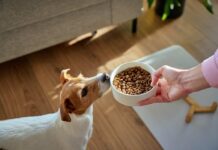
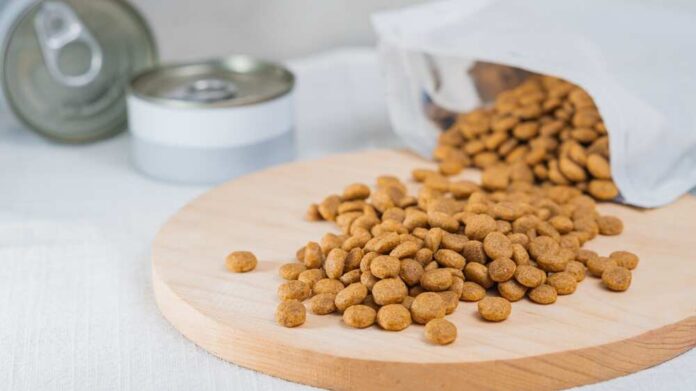
Thousands of cans of wet dog food were pulled from shelves after customers reported possible metal in the food.
At a Glance
- Fromm Family Foods recalled two wet dog foods over possible metal contamination.
- The recall covers 3,852 cases of Turkey Pâté and 1,973 cases of Milo’s Meatloaf Pâté.
- Products were sold at neighborhood stores across the United States and Canada.
- No injuries were reported at the time of the announcement.
Company triggers a targeted recall after consumer complaints
Fromm Family Foods announced a voluntary recall of two canned dog foods after customers reported possible metal in the products. The action covers 3,852 cases of Fromm Turkey Pâté Wet Food for Dogs and 1,973 cases of Fromm Diner Classics Milo’s Meatloaf Pâté Wet Food for Dogs.
The company shared exact identifiers, including names, can sizes, universal product codes, lot codes, and best-by dates, to help owners check their shelves. Federal officials posted the alert on August 21, 2026.
The products were distributed to neighborhood pet stores across the United States and Canada, according to the federal notice. The company urged consumers to stop feeding the recalled cans and to return them for a refund or exchange.
The Food and Drug Administration (FDA) said no injuries had been reported at the time of the recall notice. Local and national outlets amplified the warning to help owners act fast and avoid harm.
Dog food recalled across US and Canada after complaints of metal contamination https://t.co/AuVDWsdHPG
— FOX Business (@FoxBusiness) August 24, 2026
Why metal in pet food demands swift action
Metal fragments can cut a dog’s mouth, throat, or gut, or cause choking. Even small pieces can injure teeth or lead to costly surgery. Pet food recalls due to foreign material occur less often than those for bacteria, but they are serious.
When companies or the government see a credible risk, they act before an animal gets hurt. That is how the recall system is supposed to work: find the hazard early, publish exact product details, and get the cans off the market.
Federal data show that pet food recalls are common enough to be routine, though each one matters to families. From 2003 to 2022, there were 3,691 pet product recalls, with biological and chemical issues leading the pack and foreign objects a steady part of the mix.
Consumers usually see only a narrow slice of the story: the what, the which cans, and the what-to-do. That is by design. The goal is speed, clarity, and safety over drama. Clear labels and lot codes are the workhorses here.
How owners can act today and prevent trouble tomorrow
Owners should check the pantry for the named Fromm cans and match the lot codes before feeding the next meal. If a can matches, stop using it, snap a photo of the label, and return it to the store.
If your dog has trouble breathing, sudden vomiting, bloody stool, or pain when eating, call your veterinarian. Keep the can and label if a vet needs to see them. Most dogs will be fine, but swift care can prevent a minor scare from turning into a major bill.
Fromm Family Foods is recalling cases of wet dog food over potential metal contamination. It’s at least the second dog food recall announced this month. https://t.co/KVwHNFpjZ0
— FOX 9 (@FOX9) August 24, 2026
A few simple habits cut risk in the future. Before opening any can, scan the lid and rim for dents that break the seal. After opening, stir and spread the food to spot anything that looks off. Save lot codes until the case is gone, and set calendar alerts to check recall lists once a month.
These steps take one minute and can save your pet pain and you thousands of dollars. Personal vigilance still matters, even with strong factory controls.
What this recall signals about pet food safety culture
This event looks like a textbook case of the safety net doing its job. Customers spoke up, the company traced the lots, and the FDA broadcast the details.
The firm has recalled for foreign material before, which suggests a willingness to act quickly when quality flags appear, and a system that learns and adapts.
Some ask whether recalls mean the system is weak. The better frame is that open recalls are proof the guardrails work. Recalls also send a clear signal back through the supply chain: inspect tooling, tighten vendor checks, and upgrade metal detection and visual controls. That is how standards rise. The best outcome here is also the simplest: zero injuries, fast refunds, and a safer next batch rolling off the line.
Sources:
foxbusiness.com, fda.gov, local10.com, efoodalert.com, analytics.usa.gov