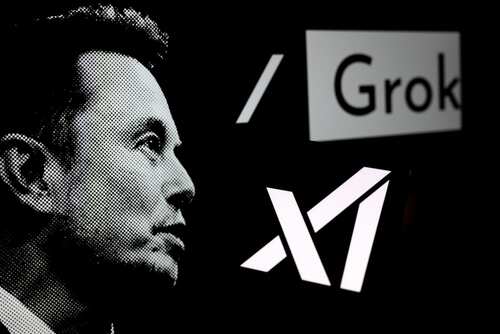
In a move that underscores the administration’s commitment to safeguarding national interests, President Donald Trump is slamming the door on Elon Musk’s xAI for federal contracts.
At a Glance
- President Trump opposes federal contracts with Elon Musk’s xAI.
- Musk’s xAI and X (formerly Twitter) are facing scrutiny over their data practices.
- The administration’s stance highlights concerns over AI and data privacy.
- This decision could reshape federal technology procurement.
Trump Administration’s Firm Stand Against xAI
White House Press Secretary Karoline Leavitt announced that President Trump opposes federal contracts with Elon Musk’s xAI.
The decision, announced on July 23, 2025, stems from concerns over data privacy and the concentration of technological power. The administration is wary of Musk’s dual ownership of xAI and X, raising red flags about data practices and potential conflicts of interest.
This stance comes as no surprise to those who have been following Musk’s aggressive expansion into AI.
xAI, founded by Musk in 2023, has quickly become a formidable player in the AI world, leveraging data from X to develop its AI models, including Grok. The integration of Grok into X has sparked debates over data privacy and the influence of AI on public discourse.
By opposing federal contracts with xAI, the Trump administration is sending a clear message about the importance of ethical AI development and the risks of concentrated tech power.
Elon Musk’s AI Empire Under Scrutiny
Musk’s journey with xAI began with the ambitious goal of understanding the “true nature of the universe.” However, the acquisition of X in March 2025 marked a significant consolidation of social media and AI assets under Musk’s leadership.
This move has not only raised eyebrows but also concerns about the potential for data misuse and its impact on public discourse.
The administration’s decision to restrict federal contracts with xAI reflects these growing concerns and highlights the need for transparency and accountability in AI development.
The implications of this decision are far-reaching. Federal agencies, which have historically relied on private technology firms for AI development, will now have to navigate the landscape without xAI’s cutting-edge technology.
This move could also prompt other AI firms to reevaluate their own data practices and transparency efforts to remain eligible for federal contracts.
Impact on the AI Industry and Beyond
The Trump administration’s decision is a pivotal moment in the ongoing debate over AI ethics and data privacy. While some argue that excluding innovative firms like xAI could hinder the government’s access to advanced AI technology, others believe that caution is necessary to prevent undue influence and data misuse.
This policy shift could set a precedent for restricting contracts with other technology firms based on ownership and data practices.
The economic implications are also significant. xAI’s growth prospects may be constrained, while competitors could benefit from reduced competition for federal contracts.
The decision may also fuel public debates over the role of powerful tech entrepreneurs in government and the ethical use of AI. As the policy takes effect, the AI industry is likely to see increased regulatory scrutiny and calls for comprehensive oversight.