With a government shutdown triggering unprecedented FAA-mandated flight cancellations, travel chaos looms nationwide for Americans.
Quick Take
- FAA orders airlines to cut capacity by 10% at 40 major airports.
- Air traffic controllers work without pay due to the shutdown.
- Major US airlines are canceling flights, causing widespread disruptions.
- Political pressure mounts on Congress to resolve the budget impasse.
FAA Orders Capacity Cuts at Key Airports
The Federal Aviation Administration (FAA) has directed airlines to implement a 10% capacity reduction at 40 high-volume airports, a move spurred by the ongoing government shutdown. This decision, announced by Transportation Secretary Sean Duffy, is aimed at maintaining safety and operational continuity amidst severe staff shortages. Air traffic controllers, crucial to the nation’s aviation safety, are currently working without pay, highlighting the shutdown’s strain on critical infrastructure.
These cuts, set to begin Friday, will reach full implementation by next week, affecting key hubs like Atlanta, Dallas, and New York. This marks the first time such widespread, coordinated capacity reductions have been mandated due to a government shutdown, underscoring the shutdown’s profound impact on public services and infrastructure.
Impact on Airlines and Travelers
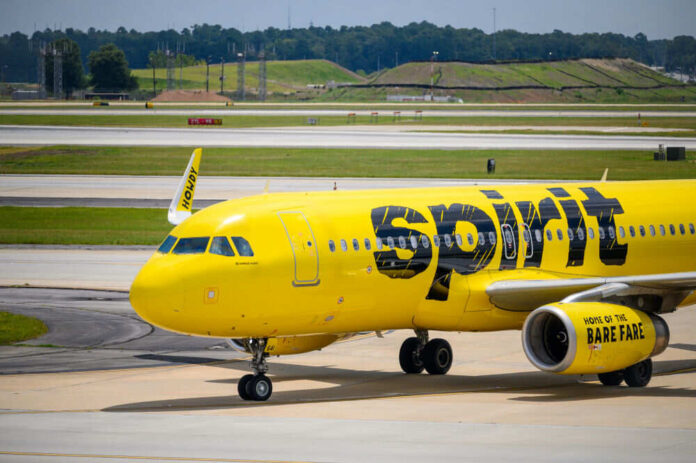
Major US airlines are scrambling to comply with the FAA’s order, leading to significant flight cancellations and schedule disruptions. Passengers face immediate inconveniences, including missed connections and travel delays. The financial burden on airlines and related businesses is expected to be substantial, as they navigate the operational challenges posed by the capacity cuts. This situation not only affects passengers but also airport workers and local economies reliant on aviation traffic.
The long-term effects could see a decline in public trust in the reliability of the US aviation system, potentially leading to changes in contingency planning for future shutdowns. With the airline industry already under strain, these developments add further pressure, highlighting the need for swift resolution of the budget impasse.
Political and Economic Ramifications
The ongoing government shutdown, now in its 36th day, has sparked political debate and heightened scrutiny of its impact on critical infrastructure. As the FAA and Department of Transportation move forward with the capacity cuts, political pressure mounts on Congress to end the deadlock. The economic implications are broad, affecting not only airlines but also the tourism sector and related industries. The situation underscores the urgent need for a resolution that ensures the continuity of essential services and safeguards the nation’s infrastructure.
As the situation evolves, stakeholders across the aviation industry and beyond continue to call for action, emphasizing the need for a balanced approach that addresses both safety and economic stability. The shutdown’s impact serves as a stark reminder of the interconnectedness of government operations and private sector activities, reinforcing calls for effective governance and fiscal responsibility.
Sources:
CBS News report on FAA flight cancellations and capacity cuts due to government shutdown