Cracker Barrel tried to trade its rocking chairs and “Old Timer” charm for sleek modern vibes, and the woman who pushed that change is now stepping down after America loudly said no.
Story Snapshot
- Cracker Barrel CEO Julie Masino will step down as chief executive and board member on August 10.
- Her exit comes about a year after a rushed rebrand scrapped the classic logo and decor, triggering fierce backlash.
- Shareholders kept her in place last fall but removed a board member tied to the strategy, signaling deep frustration.
- Veteran restaurant executive David Deno will take over, as the chain tries to repair trust and performance.
How a modernization plan ended in a leadership change
Cracker Barrel announced that Chief Executive Officer Julie Masino will step down as CEO and leave the board on August 10, staying on in an advisory role until early October to help with the handoff.
The company framed the move as part of a planned succession, but the timing is hard to separate from the storm that followed her push to modernize one of America’s most nostalgic restaurant brands. David Deno, a longtime restaurant leader who previously ran Bloomin’ Brands, will step into the role.
NEW: Cracker Barrel CEO Julie Felss Masino is stepping down following the company's controversial rebrand last year that sparked fierce backlash from longtime customers.
The effort to modernize the chain included removing the iconic Uncle Herschel mascot and redesigning… pic.twitter.com/gE1U5HboJx
— FOX Business (@FoxBusiness) July 27, 2026
Masino came to Cracker Barrel from Taco Bell and Starbucks with a clear assignment: refresh the brand and attract younger customers without killing profits.
Under her watch, the company rolled out a simplified logo and cleaner, less cluttered store design, cutting back the old-time country knickknacks that had filled dining rooms for decades.
Management sold the overhaul as a way to improve the guest experience and keep the brand relevant, not as a political statement or attack on tradition.
What changed inside the restaurants and on the logo
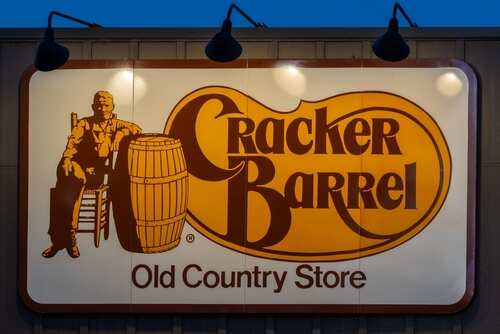
The most visible change was the logo. Cracker Barrel removed its long-standing “Old Timer” mascot leaning on a barrel and dropped the words “Old Country Store,” leaving a plain wordmark that looked more like any other casual chain.
Stores also began stripping vintage collectibles from the walls and toning down the folksy, front-porch feel that had defined the company’s identity since its start. The message from headquarters was clear: modern, simple, and streamlined would help bring in new guests.
On paper, that kind of brand refresh sounds normal. Many companies tweak logos, update decor, and try to appeal to younger families. But Cracker Barrel was never just another chain. For many customers, it was a road-trip ritual and a symbol of a slower, more rooted America.
When the new look rolled out, social media lit up with complaints that the change “sterilized” the country charm and made the restaurants feel generic. Loyal guests reacted as if a neighbor had bulldozed the town square.
Backlash from customers, conservatives, and markets
Customers did not just grumble; they voted with their wallets. Reports tied the rebrand to a sharp hit in market value, with estimates of more than $100 million wiped out as the stock dropped and traffic softened.
Conservative commentators and President Trump blasted the move as a “woke” makeover that disrespected the chain’s base. For many on the right, the logo felt like one more case of a well-loved institution sanding off tradition to chase elite approval.
Masino insisted there was no ideological motive behind the shift. In a conversation with Glenn Beck, she said the logo was only one part of a broader plan and stressed that the “Old Timer” would remain as the company listened and adjusted.
She later described feeling “fired by America,” even though shareholders kept her in the job, because the level of anger from guests made clear that the redesign had missed what people valued most about Cracker Barrel.
Shareholders kept the CEO but punished the strategy
When activist investor Sardar Biglari and others pushed for her removal, Cracker Barrel shareholders faced a choice: fire the CEO or send a narrower message.
In a closely watched vote last November, they decided to retain Masino while ousting board member Gilbert Davila, who had overseen key advertising and branding decisions tied to the rebrand. That outcome said two things at once: the boss could stay, but the strategy had gone too far and someone had to pay.
The CEO of Cracker Barrel, Julie Masino, is stepping down after the company’s DISASTROUS woke rebrand that faced MASSIVE backlash.
Fox & Friends: “David Deno is expected to take over next month. He previously served as CEO of Bloomin’ Brands, which does own Outback Steakhouse.” pic.twitter.com/gMEk8kqIGw
— RedWave Press (@RedWavePress) July 28, 2026
At the same time, Cracker Barrel moved quickly to undo the most hated parts of the overhaul. The company announced it would scrap the new logo and keep the “Old Timer,” openly thanking guests for speaking up and promising to listen.
Masino told investors the team had underestimated how much people loved the cluttered, country store atmosphere and pledged to stay faithful to “what makes the brand unique” even as they worked on long-term plans. The message shifted from bold change to careful repair.
What Masino’s exit signals to corporate America
Masino’s resignation a year after the debacle sends a clear warning to other legacy brands: you can talk about modernization all you want, but you ignore heritage at your own risk.
Many corporate leaders and diversity professionals treat old logos and traditional decor as disposable, assuming customers will adapt if the new look tests well in focus groups.
Cracker Barrel’s experience shows that ordinary Americans do not want their few remaining “old country” spaces turned into polished lifestyle concepts for urban marketers.
The problem was not updating menu items or fixing worn-out buildings. The problem was tearing out the very symbols and texture that signaled roots, tradition, and local flavor, then acting surprised when a chain built on Americana got burned by America.
Masino did manage a profit rebound before her exit, according to some analysts, but the brand is still digging out of a hole in trust. Deno now walks into a job with a simple charge: modernize where needed, but do it with a front porch, not a wrecking ball.
Sources:
thegatewaypundit.com, theglobeandmail.com, pjmedia.com, wsj.com, finance.yahoo.com, restaurantdive.com, youtube.com, newsweek.com, tennessean.com, marketwatch.com, bostonglobe.com, independent.co.uk, nypost.com