
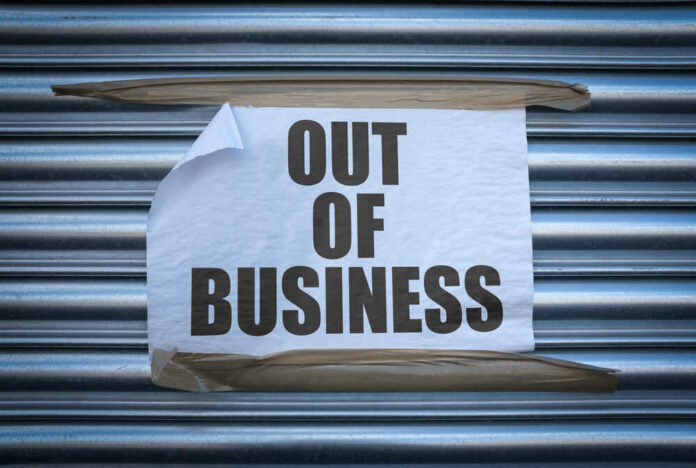
Record-breaking small business bankruptcies in 2025 reveal the harsh economic reality facing America’s mom-and-pop entrepreneurs, even as Washington celebrates recovery.
At a Glance
- Small business bankruptcies hit a six-year high with 2,221 Subchapter V filings through November 2025, up 8% year-over-year
- High borrowing costs, cautious consumers, and trade policy uncertainty are crushing earnings for the smallest businesses
- Consumer bankruptcy filings also surged, with Chapter 13 cases up nearly 5% compared to last year
- Business owner optimism fell to a six-month low in October, signaling deepening economic stress
Main Street Struggles While Headlines Tout Success
The statistics paint a troubling picture for America’s smallest business owners. More than 2,200 individuals and small firms filed bankruptcy under Subchapter V rules in 2025, marking the highest number since the program’s 2020 inception.
These aren’t corporate giants restructuring debt—they’re the backbone of American commerce, the entrepreneurs who create jobs in their communities and fuel local economies. Their collapse signals real hardship beneath the surface of official economic narratives.
Mom-And-Pop Business Bankruptcies Hit A Recordhttps://t.co/QAXcwb0s0n
— QuintusCurtius (@QuintusCurtius) December 2, 2025
The Perfect Storm: Costs, Caution, and Trade Uncertainty
Three forces are converging to devastate the viability of small businesses. High borrowing costs make capital prohibitively expensive for businesses operating on thin margins. Cautious consumer spending reduces revenue streams already stressed by operational expenses.
Most significantly, trade policy uncertainty creates planning nightmares for entrepreneurs who cannot forecast costs or market conditions. Court-approved trustee Carol Fox, overseeing dozens of cases in Southern Florida, observed that creditors are “breathing down their necks”—a visceral reminder that these aren’t abstract financial troubles but real people facing existential business threats.
The Subchapter V Surge Outpaces Overall Bankruptcy Growth
The acceleration is striking. Subchapter V filings increased 8% year-to-date through November 2025 to 2,221 cases, while traditional Chapter 11 bankruptcies rose only 1% to 6,000.
This disparity matters because Subchapter V specifically targets businesses with under $3 million in debt—the true small business class. These are not wealthy individuals or established corporations; they are working Americans whose enterprises are collapsing under pressure. Consumer bankruptcies under Chapter 13 rules similarly surged nearly 5%, with over 180,000 filings, indicating broader household financial distress.
Business Owner Confidence Hits the Skids
Perhaps most telling is the collapse in business owner optimism to a six-month low in October. This metric reflects entrepreneurs’ forward-looking expectations—their willingness to invest, hire, and expand.
When this drops, it signals they see deteriorating conditions ahead. Small business owners are not pessimists by nature; they are risk-takers who believe in their enterprises.
When they lose confidence, it reflects genuine economic headwinds, not mere sentiment. This pessimism foreshadows continued strain on employment and economic growth.