President Trump doubles down on America First immigration policy, expanding travel restrictions to 20 additional countries in response to national security threats and vetting failures that put American lives at risk.
Story Highlights
- Travel ban expanded to include 20 more countries plus Palestinian Authority, doubling restricted nations
- Five countries face complete bans while 15 others get partial restrictions starting January 1, 2026
- Decision triggered by Afghan national’s shooting of National Guard troops near White House
- Administration cites widespread corruption, fraudulent documents, and terrorist group presence as justification
Trump Administration Responds to Security Threats
The Trump administration announced Tuesday, December 16, 2025, a significant expansion of travel restrictions affecting an additional 20 countries and the Palestinian Authority. This decisive action doubles the number of nations facing U.S. entry limitations, demonstrating the administration’s unwavering commitment to protecting American citizens.
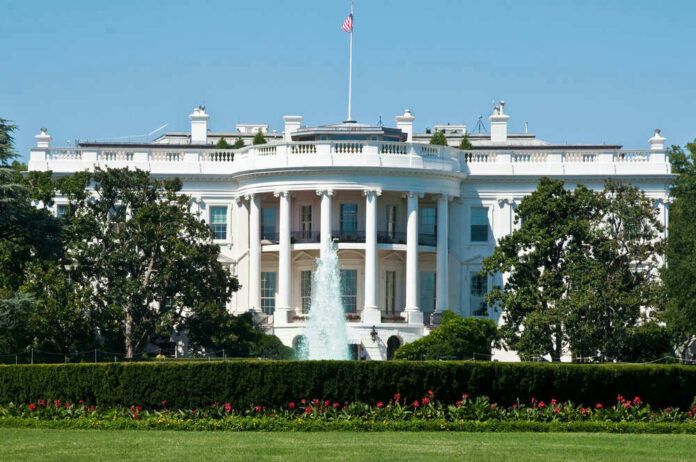
The expansion follows the arrest of an Afghan national suspected of shooting two National Guard troops over Thanksgiving weekend near the White House, highlighting ongoing security vulnerabilities that demand immediate attention.
Trump expands travel ban and restrictions to include an additional 20 countries https://t.co/qjiONtaEUh
— Boston 25 News (@boston25) December 16, 2025
Comprehensive Restrictions Target High-Risk Nations
Five countries now face complete travel bans: Burkina Faso, Mali, Niger, South Sudan, and Syria, joining the original 12 nations banned in June.
An additional 15 countries receive partial restrictions, including Angola, Antigua and Barbuda, Benin, Ivory Coast, Dominica, Gabon, Gambia, Malawi, Mauritania, Nigeria, Senegal, Tanzania, Tonga, Zambia, and Zimbabwe.
The administration justifies these measures by citing widespread corruption, fraudulent civil documents, and unreliable criminal records that compromise proper vetting procedures essential for national security.
Palestinian Authority Faces Complete Immigration Ban
The expanded restrictions include a complete ban on Palestinian Authority passport holders from emigrating to the United States, building upon earlier limitations imposed on business and tourist travel. The administration specifically referenced U.S.-designated terrorist groups operating in the West Bank and Gaza Strip that have murdered American citizens.
Officials noted that recent warfare in these regions has “likely resulted in compromised vetting and screening abilities,” making proper security assessments nearly impossible and putting American lives at unnecessary risk.
Afghan Allies Caught in Broader Security Measures
Critics raise concerns about the removal of Special Immigrant Visa exceptions for Afghans who assisted U.S. forces during the two-decade war. No One Left Behind, an advocacy organization, expressed deep concern while acknowledging the president’s national security commitment.
However, the administration’s primary responsibility remains protecting American citizens from potential threats, even when difficult decisions affect those who previously served alongside U.S. forces. The restrictions take effect January 1, 2026, with exemptions for current visa holders, permanent residents, diplomats, and athletes.
America First Policy Delivers on Campaign Promises
This expansion represents the fulfillment of core conservative principles regarding immigration enforcement and border security that Trump supporters have long demanded.
The administration’s methodical approach addresses countries with high visa overstay rates, nations refusing to accept deported citizens, and regions lacking governmental stability necessary for proper vetting.
While critics predictably denounce these measures as discriminatory, the policy prioritizes American safety over globalist concerns about international perception, delivering exactly what voters expected from Trump’s return to office.