One bag of frozen blueberries, one lab match, and one Florida family now testing the line between public health certainty and legal proof.
Story Snapshot
- Federal agencies tied an E. coli O145:H28 outbreak to Publix GreenWise frozen blueberries and triggered recalls.
- Health officials reported at least 12 illnesses early on, with the tally later rising during the investigation.
- A Florida lawsuit says a woman died and her son got sick after eating the recalled berries.
- Publix later recalled all lots of certain GreenWise frozen blueberries and mixed berries amid contamination concerns.
What the government confirmed and what the lawsuit adds
The Food and Drug Administration and the Centers for Disease Control and Prevention linked an outbreak of E. coli O145:H28 to frozen blueberries sold at Publix under the GreenWise brand.
Officials reported 12 illnesses in the first wave and noted that Publix recalled the identified product and expanded the recall to all lots of specific GreenWise blueberries and mixed berries as the probe widened.
That is the public health spine of this story. The lawsuit adds a stark claim: a death tied to those berries in one Florida home.
Florida woman died after eating E coli-tainted frozen blueberries from Publix, lawsuit alleges https://t.co/nb0NyIfwEf
— FOX Business (@FoxBusiness) September 23, 2026
The complaint, filed in Pinellas County, names the grocery chain and points up the supply trail. It alleges the blueberries reached Publix through Quirch Foods, with Frutas y Hortalizas del Sur S.A. identified as the upstream supplier or harvester.
The suit says Richard Mullins lost his wife, Karla, after she ate the berries, and that their son, Spencer, fell ill as well. These are specific and grave allegations. A civil court will test them under rules that demand patient-level proof, not just outbreak linkage.
The product details consumers care about
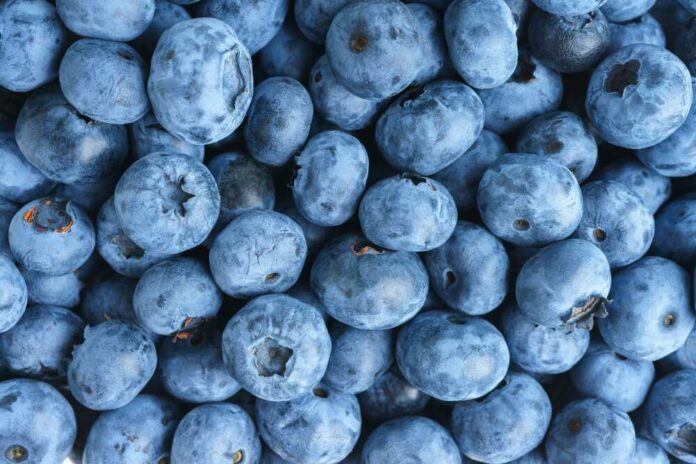
Regulators and contemporaneous reports flagged a specific early target: a 10-ounce GreenWise Organic IQF blueberry bag with lot code 60401 and a best-by date of February 9, 2028, sold across eight states before the company expanded the recall to all lots of certain GreenWise blueberries and mixed berries.
The Food and Drug Administration said the recalled product should no longer be on shelves, which aligns with Publix stopping sales. For shoppers, the rule is simple: check the freezer and toss the bag if it matches the recall.
The Centers for Disease Control and Prevention noted something that matters in court and in kitchens: Publix collected and tested its GreenWise frozen blueberry samples, and one sample matched the outbreak strain that made people sick.
That lab match is powerful for product linkage. It does not, by itself, prove exactly which serving harmed which person. But it narrows the field from a universe of foods to a named product line and confirms that contamination reached retail.
Where public health ends and civil causation begins
Public health answers population questions: what product is spreading illness, how many are sick, and how to stop it. Civil courts answer personal questions: did this food, from this bag, cause this person’s harm.
The Food and Drug Administration and Centers for Disease Control and Prevention materials report linked cases and an outbreak strain, and they document an expanded recall.
The lawsuit must now line up purchase records, lot codes, leftovers, or medical tests to tie Karla Mullins’ condition to the berries with persuasive clarity.
Common sense asks for straight lines between claims and proof. The outbreak record supports a serious recall and shows a lab-confirmed match in a product sample. That is why recalls exist and why shoppers deserve fast warnings.
The wrongful-death claim demands a tighter chain: records that the family possessed and ate the recalled lot, and clinical evidence that the decedent’s illness matched the same E. coli O145:H28 strain on the clock that matters. Both truths can stand together until a court weighs them.
Accountability up and down the chain
Food safety breaks when any link in the chain slips. The named roles run from the upstream harvester in Chile to the supplier and then to the retailer shelf.
The Food and Drug Administration’s recall explains why the net widened from a single lot to all lots of certain products: contamination signals did not point to a small, clean boundary.
That broad action costs money and reputation, but it also likely limited harm. That is the sober tradeoff the system is built to make.
Sources:
foxbusiness.com, goodhousekeeping.com, wsbtv.com, usatoday.com, scrippsnews.com, fda.gov