One Team USA skier’s “mixed emotions” about representing America set off a pre-Olympics firestorm—drawing a direct rebuke from President Trump and reigniting the fight over what wearing “USA” is supposed to mean.
Quick Take
- President Trump blasted Olympic halfpipe skier Hunter Hess after Hess said he feels “complicated” about representing the U.S. amid immigration enforcement and protests.
- Hess said he represents his friends, family, and the parts of America he believes are good—not “everything” the U.S. does.
- Freestyle skier Chris Lillis expressed heartbreak over national events tied to ICE and protests while still describing love for the country.
- Figure skater Amber Glenn said she received “scary” hate and threats after public comments and scaled back social media use.
Trump’s message to Team USA: National colors aren’t optional
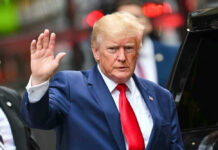
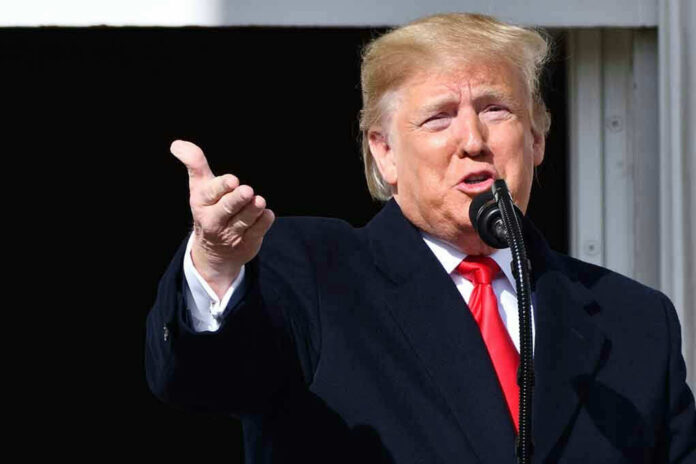
President Donald Trump escalated a growing controversy ahead of the 2026 Milan Cortina Winter Olympics when he targeted first-time Olympian Hunter Hess over comments about representing the United States.
Trump wrote that it was “very hard to root” for Hess and framed the skier’s remarks as disqualifying for national support, punctuating the post with “MAKE AMERICA GREAT AGAIN!” The dispute unfolded as Team USA athletes faced media questions about politics and national identity.
BREAKING: President Trump goes off on Team USA skier Hunter Hess for bashing our country over seas at the Olympics.
“A real loser. Says he doesn’t represent his country. If that’s the case, he shouldn’t have tried out for the team.”
He needs to be removed from the team. pic.twitter.com/MeMbRdR3nc
— Jack (@jackunheard) February 8, 2026
Hess, a U.S. freestyle skier in the halfpipe, told reporters he had “mixed emotions” about wearing USA in the current climate. According to reporting, he pointed to immigration enforcement activity and protests as part of what shaped those feelings.
Hess also said his focus is on representing the people closest to him—friends and family—and the aspects of the United States that he believes are good. That framing collided with expectations that many Americans place on Olympic representation.
What the athletes actually said—and what remains unverified
The available reporting shows a range of statements that were less uniform than the social media outrage suggests. Hess described complexity and personal values rather than an outright refusal to represent the country.
Two-time Olympian and aerials medalist Chris Lillis also referenced “ICE and some of the protests,” saying he felt heartbreak over events in the United States, while still communicating patriotism and love of country. The sources do not report any formal Team USA action against either athlete.
Another dimension involved U.S. figure skater Amber Glenn, who said she received hateful messages and threats after publicly discussing personal issues and free speech. Glenn described the reaction as frightening and said she limited her social media exposure for her own well-being, while also signaling she still intends to use her voice.
The reporting describes Glenn as a barrier-breaking athlete, but independent confirmation beyond the cited outlets is limited, and no official Olympic body statement was included.
Grenell and online backlash intensify pressure, but no sanctions follow
Trump ally and Kennedy Center head Rich Grenell amplified the backlash by suggesting Hess should “move to Canada,” reflecting how quickly the controversy became a loyalty test rather than a discussion about policy.
Online reactions also included calls for athletes who criticize the country to be sent home. As of the most recent updates in the provided reporting, there were no announced sanctions, removals, or Olympic eligibility changes tied to the comments—despite public pressure aimed at Team USA and governing bodies.
The broader issue: Free speech vs. the meaning of representing the United States
The clash highlights a tension conservatives have watched grow for years: athletes insisting they represent personal identity and “values,” while fans view international competition as a straightforward duty to honor the country that made their success possible.
The reporting itself presents the debate as free speech versus national representation, not as an official rule violation. Still, when “USA” becomes a conditional label, many Americans see it as cultural erosion—especially when the trigger is enforcement of immigration laws.
Trump rips Olympic skier over remarks about representing UShttps://t.co/nPQfHfVTZ3
— The Hill (@thehill) February 8, 2026
For now, the facts available are narrow and largely confined to two aligned media reports: a presidential social media attack, athlete comments about national representation, and evidence of online blowback that included threats.
What is missing is just as important—no public statement from the U.S. Olympic and Paralympic Committee or U.S. Ski & Snowboard announcing disciplinary steps, and no clear policy change governing political speech at these Games. Until more reporting emerges, the story remains a referendum on patriotism, not a confirmed governance dispute.
Sources:
Trump Criticizes Team USA Athletes After Voicing Political Beliefs Before Olympic Games
Team USA Freestyle Skiers Spark Olympic Outrage Over Remarks About Representing US