
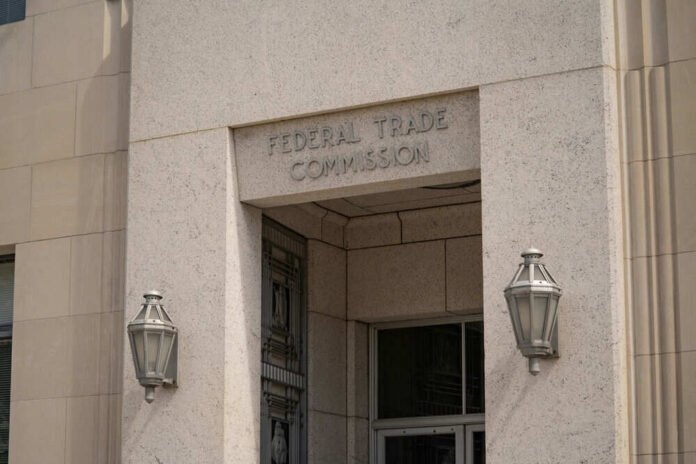
SHEIN agreed to a $100 million federal settlement that puts late shipping, buried reviews, and fuzzy supply-chain claims on a tight leash.
Story Snapshot
- The Federal Trade Commission (FTC) alleged SHEIN misled shoppers on delivery times and service.
- Regulators said the company suppressed or deleted negative product reviews.
- A proposed court order bars future misrepresentations and sets a $100 million judgment.
- The case awaits final court approval; the order funds consumer redress.
What The FTC Says SHEIN Did And Why It Matters
The Federal Trade Commission filed a complaint saying SHEIN promised fast, reliable shipping while tens of thousands of orders came late or never arrived. The agency also said customer service often stalled refunds or closed tickets too soon. The agency also alleged the platform boosted positive reviews and hid or deleted negative ones. The complaint further targeted claims about supplier audits, product traceability, and cotton origins that the agency called deceptive.
The allegations cut across the online shopping journey. Delivery promises set expectations. Reviews shape choices and trust. Refunds and ticket handling resolve problems. Supply-chain claims speak to ethics and safety. When a giant marketplace blurs any of those, everyday buyers lose leverage. The FTC’s move signals that online retail is not just about price and style. It is about fair design: honest promises up front, fair feedback in the middle, and real help at the end.
The Proposed Order: What Changes For Shoppers Next
The proposed order would ban SHEIN from misrepresenting shipping times, refund terms, and access to customer service. It would require equal treatment for positive and negative reviews, with narrow exceptions like profanity or personal data. It would also bar deceptive claims about supplier audits, product traceability, and cotton sourcing. The order carries a $100 million monetary judgment, payable to the Commission for consumer relief if the court finalizes it.
Shoppers should see clearer delivery windows and fewer dead-end service loops if the court enters the order. Reviews should show a fuller picture of product quality, not a curated highlight reel. The supply-chain provisions aim to stop feel-good claims that companies cannot back up. The agency framed the package as forward-looking: prevent the conduct, restore some money, and set guardrails that other large marketplaces can read and follow.
How This Fits A Larger Cleanup Of Online Reviews And Promises
The SHEIN case falls amid a wider cleanup of fake or filtered reviews. The Federal Trade Commission has warned hundreds of firms about phony endorsements and hidden review tactics since 2021. The agency also advanced rules to crack down on fake or paid reviews and to stop platforms from burying honest criticism. Fashion Nova settled with the agency in 2022 over suppressing negative reviews, foreshadowing this playbook for retail platforms.
#USA: SHEIN AGREES TO $100 MILLION SETTLEMENT OVER ALLEGED DECEPTIVE BUSINESS PRACTICES
Fast-fashion retailer SHEIN has agreed to pay $100 million to resolve allegations brought by the US Federal Trade Commission.
The regulator accused the company of misleading consumers about…
— lexinmundo (@lexinmundo) November 25, 2026
The case is pending and requires court approval before the proposed order takes effect. But the $100 million figure and the detailed conduct bans send a clear message to the market. For shoppers, this is common sense: tell the truth about delivery, show all real reviews, make refunds simple, and mean what you say about your supply chain. For companies, this is also common sense: compete on value, not on hidden levers that tilt the playing field.
Sources:
cbsnews.com, ftc.gov, apnews.com, fidelity.com